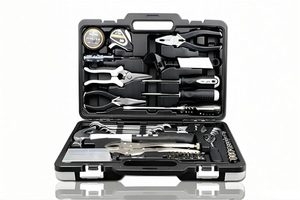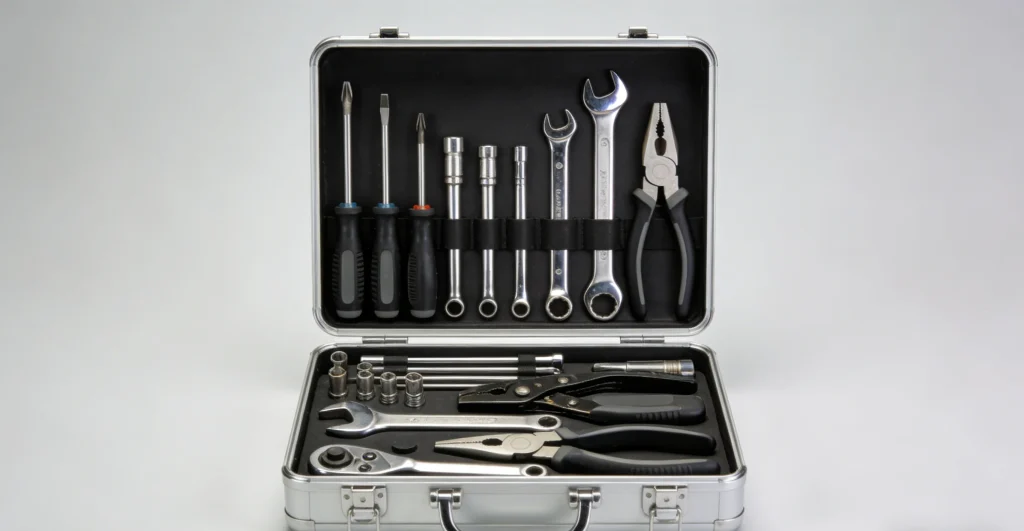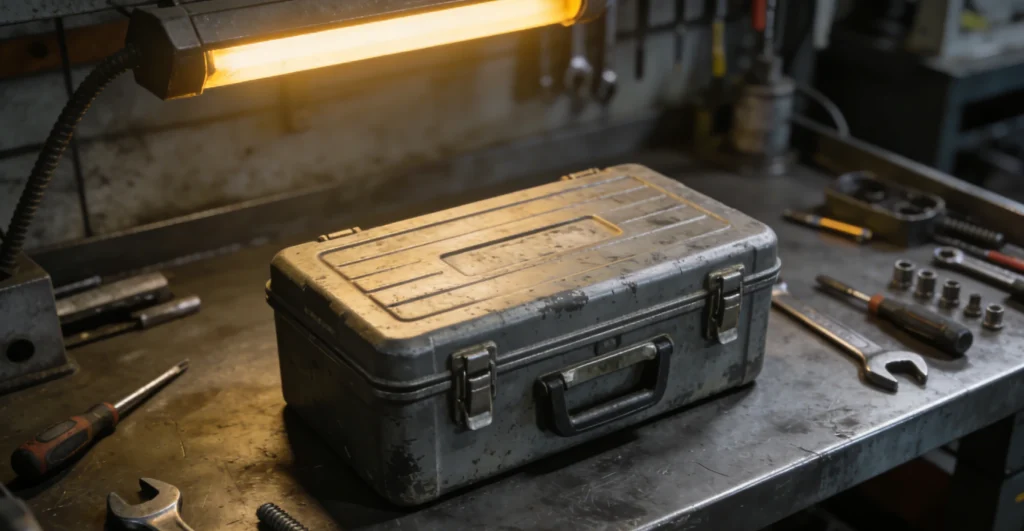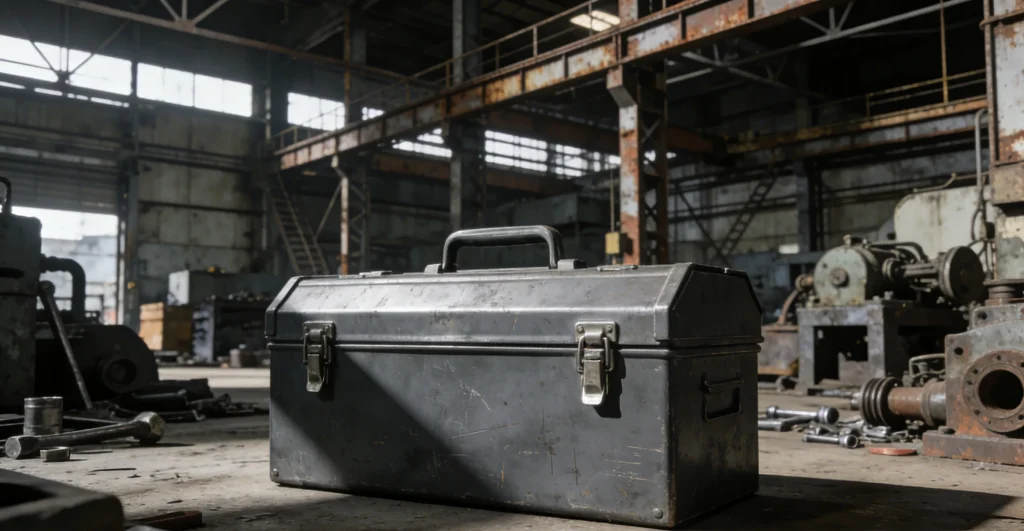
In real work or home repair scenarios, a large toolbox is not just a storage container—it is a key factor that affects overall efficiency. Many people only focus on “how much it can hold” when choosing one, while ignoring internal structure, material strength, and usage environment compatibility. As a result, tools become mixed, hard to access, or even damaged. A truly practical large toolbox should balance organization logic, load capacity, and usability, ensuring tools can be quickly found and smoothly accessed when needed, improving both workflow and user experience.
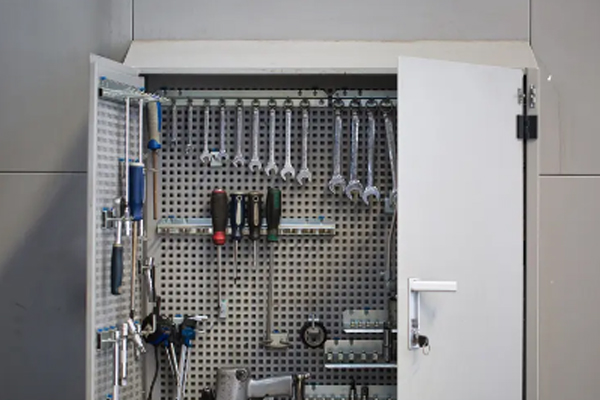
Choose Internal Structure Based on Tool Types
Different tools vary in size, weight, and usage frequency. If the internal structure of a large toolbox is poorly designed, it can easily lead to wasted space or disorganized tools. A well-structured toolbox ensures every tool has a fixed position, making classification and access faster and improving overall efficiency.
Layered Drawer Design
For small hand tools and scattered accessories, layered drawers help organize items efficiently and reduce searching time during work.
- Multi-layer structure categorizes tools clearly
- Frequently used tools placed on upper layers for quick access
- Drawer design prevents tools from spilling during transport
- Small parts boxes can be placed on top to keep things tidy
Large Main Compartment
When storing larger power tools or equipment, a spacious main compartment provides enough room while ensuring stability and safety.
- Easily fits drills, impact drivers, and other large tools
- Extra space for batteries and accessories
- Reinforced base structure improves load-bearing capacity
Modular Partition System
For users with diverse tools and changing work needs, modular partitions allow flexible layout adjustments, keeping everything organized and efficient.
- Removable dividers for flexible space arrangement
- Quick reconfiguration for different projects
Choose Material Based on Usage Environment
Large toolboxes must withstand heavy tools, frequent movement, and different working conditions. Material choice directly affects durability and safety, making it essential for long-term reliability and tool protection.
Engineering Plastic Material
Suitable for home use or light-duty applications, offering portability and basic impact resistance.
- Lightweight and easy to carry
- Cost-effective with good value
- Basic shock resistance for daily use
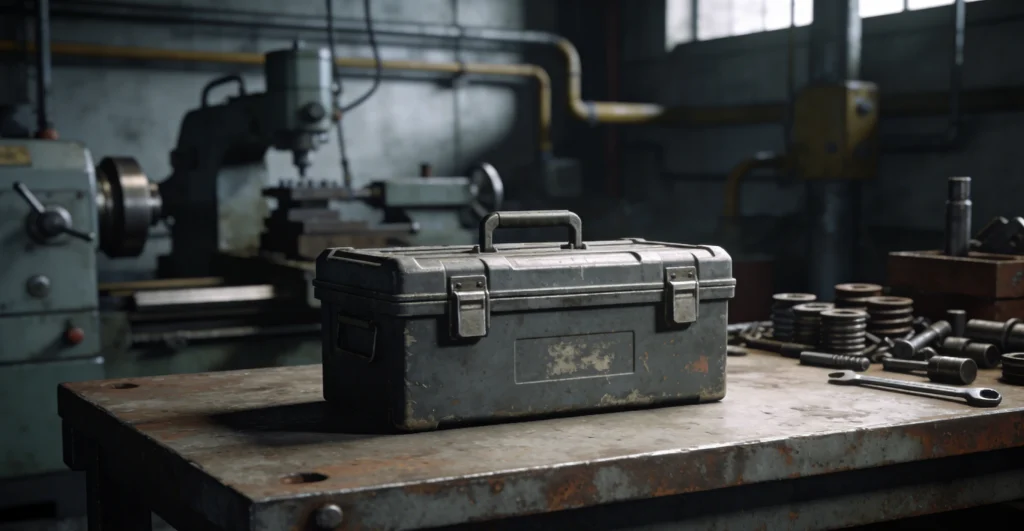
Metal Structure
Ideal for construction sites or heavy-duty environments where durability and load capacity are essential.
- High load-bearing capacity for heavy tools
- Impact-resistant and long-lasting
- Suitable for high-frequency industrial use
- Anti-corrosion coating for rust protection
Composite Material Design
Combines the advantages of lightweight plastic and strong metal, offering a balanced solution for multiple scenarios.
- Lightweight outer structure with reinforced support
- Balanced portability and durability
- Suitable for mixed-use environments
Choose Portability Based on Mobility Needs
Large toolboxes are often heavy and bulky, so mobility design plays a key role in usability and efficiency. Proper portability features can significantly reduce physical effort and improve workflow.
Wheel Mobility Design
Ideal for workshops or construction sites where frequent movement is required.
- Built-in wheels for effortless transport
- Locking system ensures stability during use
Hand-Carry Design
Suitable for short-distance transport or lightweight tool sets.
- Ergonomic handle reduces hand fatigue
- Easy to carry for quick tasks
- Simple structure with low maintenance
Split Modular Design
Designed for flexible use across different working scenarios.
- Upper and lower sections can be separated
- Small tools for carrying, large tools for storage
- Improves flexibility and efficiency
- Modular combination adapts to different tasks
Additional Features Improve User Experience
Beyond capacity and structure, functional features significantly enhance safety, efficiency, and convenience, making the toolbox more practical in real use.
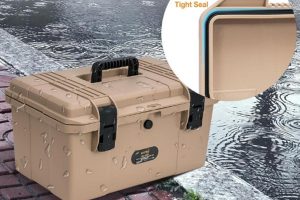
Waterproof and Dustproof Design
Sealing structure protects tools from moisture and dust, extending their lifespan.
- Prevents dust from entering
- Reduces rust caused by humidity
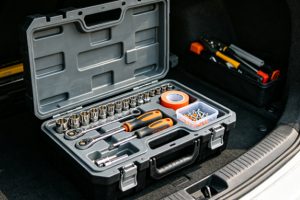
Internal Compartment System
Helps organize small parts and accessories clearly, ensuring everything has its place.
- Keeps screws and fittings organized
- Reduces loss and confusion
- Improves overall efficiency
Safety Lock System
Prevents accidental opening during transport and protects valuable tools.
- Secures toolbox during movement
- Protects expensive equipment
- Conclusion: The right large toolbox makes work easier
A suitable large toolbox is more than storage—it improves efficiency, protects tools, and makes transportation and usage smoother. From internal structure and material selection to mobility design and functional features, every detail affects the user experience. SIPHIA BOX focuses on creating efficient and practical large toolboxes, making tool organization simple and reliable.