- WhatsApp / Phone:+1 6027256314
- Email:marktingoffice@siphiabox.com
Get the latest updates on our products, OEM/ODM services, and industry trends.
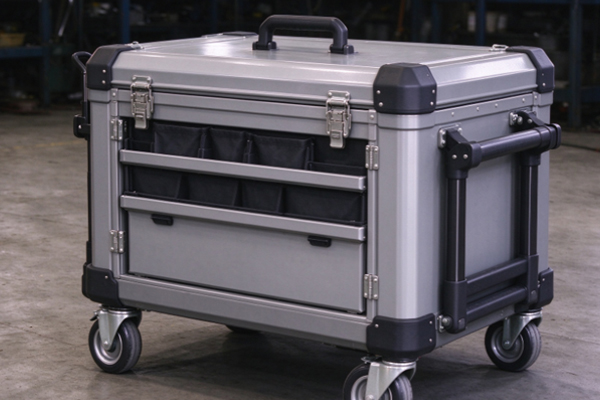
The number of equipment units in smart workshops continues to grow, while maintenance tasks are becoming more specialized. Tool management needs to keep pace with changes in the production environment. Maintenance personnel need to quickly find
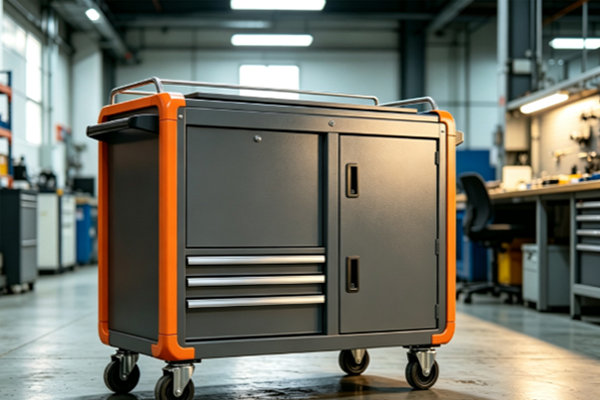
When enterprises purchase box-type tool carts, the factors that truly affect the user experience are often not the appearance, but whether the equipment can adapt to actual tool configurations and workflows. Tool types vary considerably across
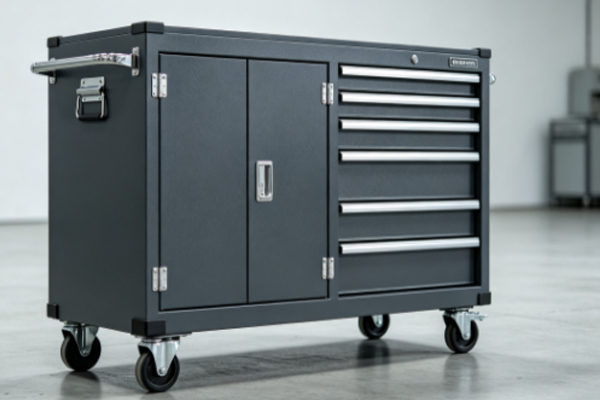
A box-type tool cart often needs to carry a large number of wrenches, sockets, power tools, and inspection equipment during actual work, with the weight distributed unevenly. The tool cart also experiences repeated drawer opening and
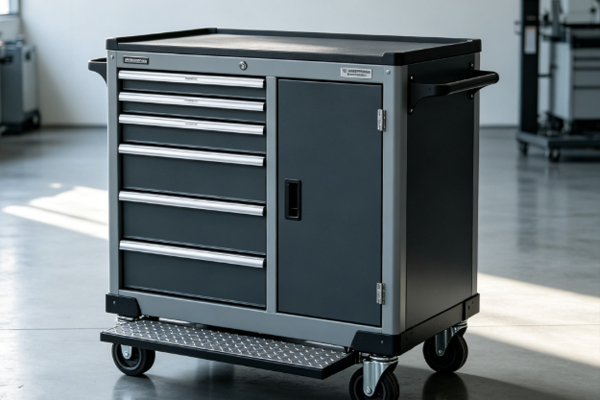
Workshop tools are increasing in number, and what really troubles managers is often not the quantity of tools, but how to accommodate more tools in limited space while keeping them easy to access. Traditional shelves or
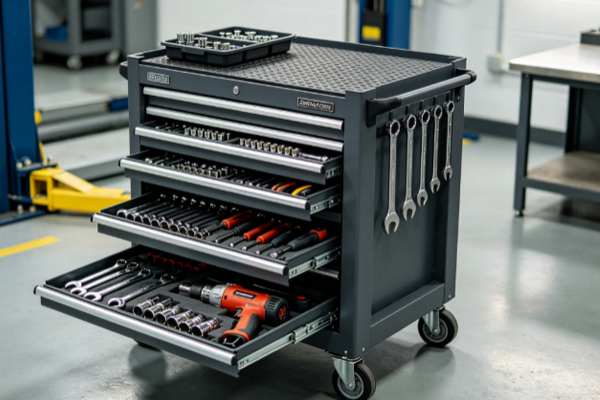
As the number of tools increases, a single storage compartment can easily lead to tools being stacked together, mixed specifications, and difficulty accessing the required items. Box-style tool carts use multiple drawers to provide clear storage
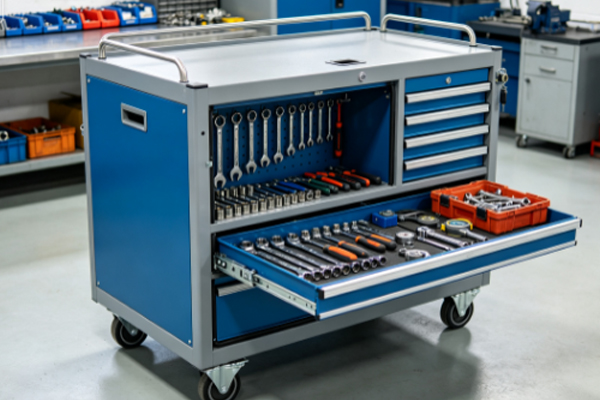
After a box-style tool cart is loaded with wrenches, sockets, power tools, and inspection equipment, its actual weight may far exceed its empty weight. When purchasing, looking only at a single “maximum load capacity” figure can
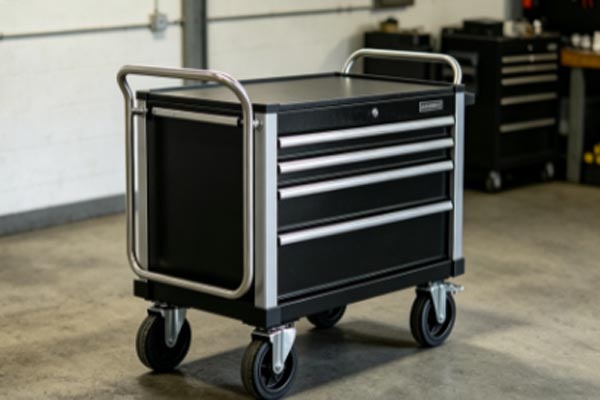
In work environments such as repair workshops, automotive maintenance, and industrial servicing, tool chests need to carry a large number of tools over long periods. When users open a drawer, one of the key factors affecting
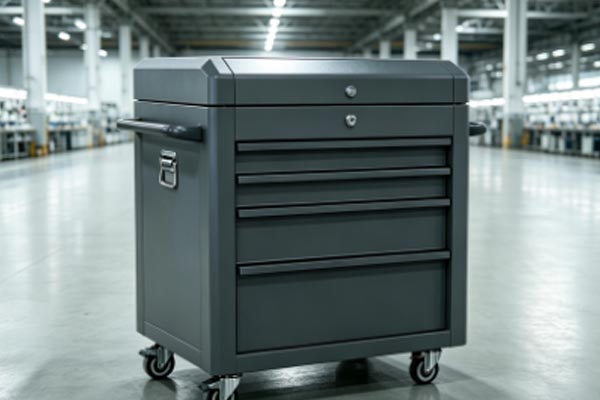
In automotive repair, industrial maintenance, equipment installation, and professional workshops, the large number and variety of tools make it difficult for a single storage method to meet daily work requirements. A box-type tool cart combines components such
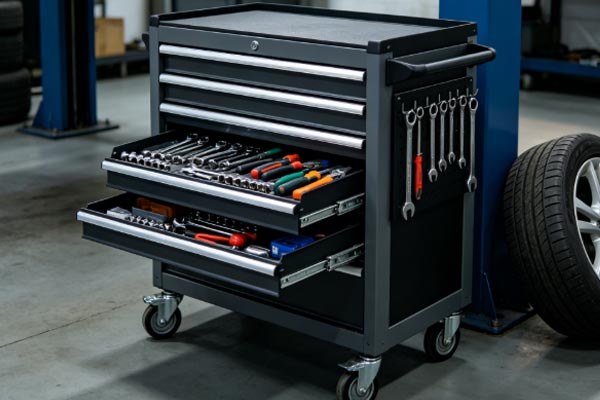
The material of a tool chest directly affects its load-bearing capacity, durability, mobility, and overall cost of use. Metal tool chests are commonly used in automotive repair, industrial maintenance, and production workshops, while plastic and composite-material
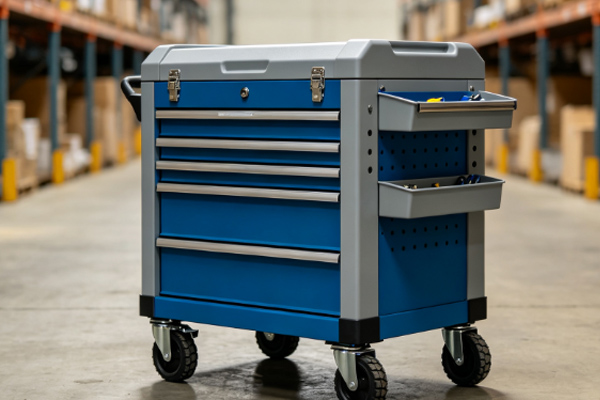
In work environments where tools are used frequently, tool management directly affects workflow efficiency and on-site order. Industries such as automotive repair, mechanical manufacturing, industrial maintenance, and construction typically require a large number of wrenches, screwdrivers,
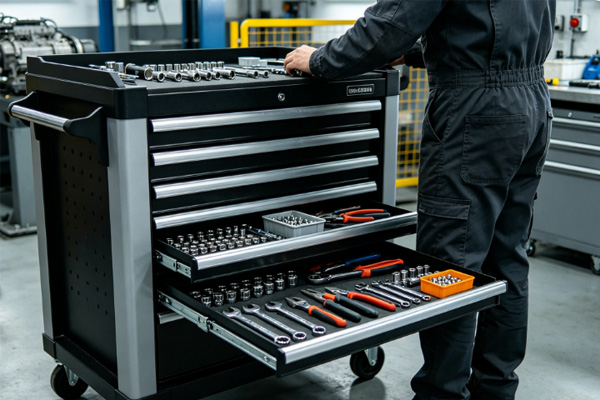
Modern workshop maintenance and production tasks increasingly emphasize efficiency and standardization, and tool management is gradually shifting from simple storage to systematic management. In scenarios such as automotive repair, industrial equipment maintenance, and mechanical processing, technicians
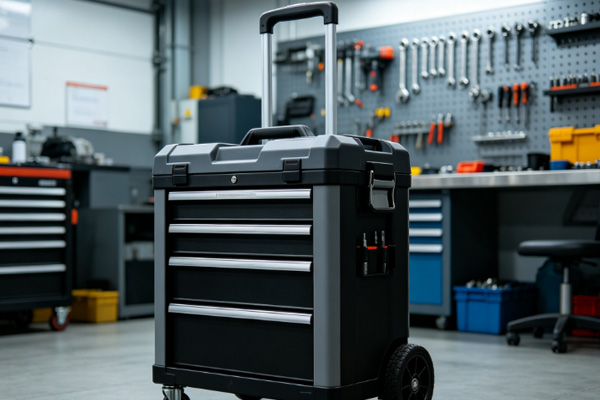
In work environments such as automotive repair, industrial maintenance, equipment servicing, and engineering construction, tools often need to move along with the working position. Traditional fixed storage systems have certain limitations in mobility efficiency and centralized