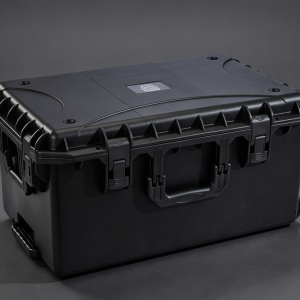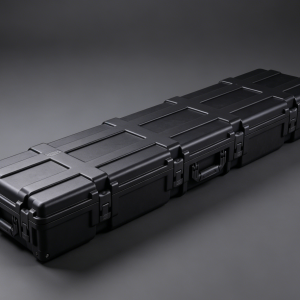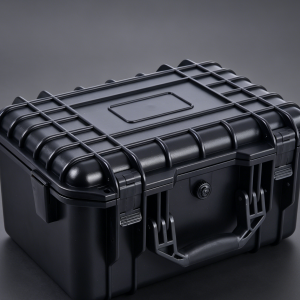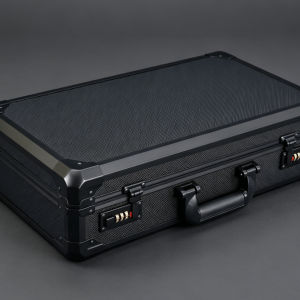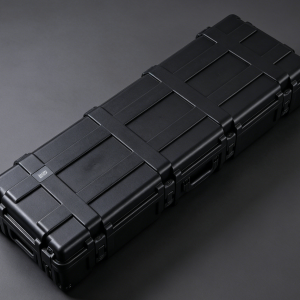
The material of a tool chest directly affects its load-bearing capacity, durability, mobility, and overall cost of use. Metal tool chests are commonly used in automotive repair, industrial maintenance, and production workshops, while plastic and composite-material options are more suitable for lightweight storage and everyday mobility. With so many brands, structures, and configurations available, it can be difficult to determine which option is most suitable based on appearance alone.
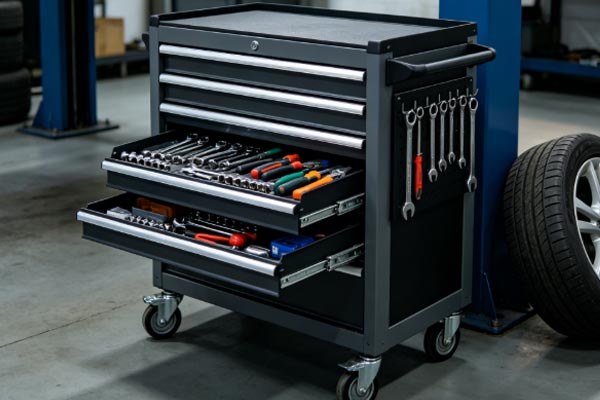
Key Advantages of Metal Tool Chests
Metal tool chests are typically made from cold-rolled steel, stainless steel, or aluminum alloy. Each material has its own characteristics in terms of load capacity, corrosion resistance, and weight. Before making a choice, consider the weight of the tools, frequency of use, and working environment.
Strong Load-Bearing Capacity
Metal bodies have a stable structure and are suitable for storing heavy items such as socket sets, wrenches, power tools, and testing equipment. Their main advantages include:
- Suitable for storing heavy-duty tools.
- Strong drawer load-bearing capacity.
- Less likely to deform during long-term use.
- Greater stability even with frequent drawer opening and closing.
- Suitable for repair environments with many tools and frequent use.
Automotive repair shops, industrial workshops, and equipment maintenance teams are generally better suited to using metal tool chests.
Good Impact Resistance
Tool chests are often exposed to collisions and friction in repair environments. Steel structures are less likely to deform. When combined with reinforced panels, strengthening ribs, and protective corner guards, they can provide greater durability. When selecting a product, pay attention to:
- Whether the panels are reinforced.
- Whether strengthening ribs are included.
- Whether protective corner guards are installed.
- Whether the surface is wear-resistant.
- Whether the drawers and cabinet body are stable.
Metal tool chests are more suitable for long-term, high-intensity use.
Features of Tool Chests Made from Other Materials
In addition to metal, plastic, composite materials, and aluminum alloy are also commonly used for tool chests. Each offers advantages in terms of weight, portability, and corrosion resistance.
Plastic Materials Are More Lightweight
Plastic tool chests have a relatively low overall weight, making them easier to push and carry. They are suitable for household repairs, light assembly, and situations where the work location changes frequently. Their main features include:
- Lightweight construction for easier daily handling.
- Low rolling resistance, making them suitable for short-distance movement.
- Rust resistance and relatively simple daily maintenance.
- Generally affordable purchase costs.
- Suitable for storing lightweight tools such as screwdrivers, pliers, and tape measures.
However, ordinary plastic generally has lower load-bearing capacity and impact resistance than metal. Therefore, it is not recommended for long-term storage of large quantities of heavy-duty tools.
Composite Materials Balance Weight and Strength
Engineering plastics or composite materials are stronger than ordinary plastics. They offer good impact resistance while remaining relatively lightweight, making them suitable for mobile repairs, outdoor work, and similar applications. When selecting one, consider its impact resistance, load-bearing capacity, the strength of its connection points, surface wear and stain resistance, and whether the casters and handle are convenient for movement. If portability and a certain level of structural strength are priorities, a composite-material tool chest can be a good choice.
Suitable Applications and Selection Priorities for Different Materials
No material is absolutely superior to another. The key is to determine what type of work the tool chest needs to support. When making a purchase, consider the types of tools, work intensity, and mobility requirements together.
Prioritize Metal for Automotive Repair and Industrial Maintenance
Automotive repair shops, machining plants, and equipment maintenance workshops typically use many heavy-duty tools. Metal tool chests are more suitable for high-intensity applications. When selecting one, focus on:
- The thickness of the steel panels and the welding quality.
- The load-bearing capacity and smooth operation of the drawer slides.
- Caster size, braking performance, and wear resistance.
- Surface coating and rust-prevention treatment.
- Central locking and drawer stop designs.
- Load-bearing stability at the bottom of the cabinet.
- Whether the drawer layout facilitates tool organization.
For long-term professional repair use, stability and durability are generally more important than price.
Lightweight Materials Are Suitable for Household Repairs and Light-Duty Work
Household users, installers, and mobile service personnel are more concerned with portability and storage. Plastic or composite-material tool chests are suitable for storing screwdrivers, pliers, tape measures, and small power tools, while also offering lower costs. When selecting one, consider:
- A relatively small number of tools.
- Lightweight tools.
- The need for frequent transportation.
- Frequently changing work locations.
- The importance of portability and price.
- The need for good rust resistance.
If the tool chest is mainly used for household repairs, light installation, or mobile services, lightweight materials can reduce the burden of daily handling.
Choosing the Right Material Based on Actual Needs
When selecting a tool chest, it is recommended to make a comprehensive assessment based on tool weight, frequency of use, travel distance, and maintenance costs. Clearly identifying actual needs can help prevent a mismatch between the material and the intended application.
For Heavy Tools and Frequent Use, Choose a Steel Structure
If the tool chest needs to store large quantities of socket sets, impact wrenches, jack accessories, or industrial testing equipment, a steel tool chest is generally the safer choice. The main reasons include its higher overall load-bearing capacity, reduced risk of deformation during long-term use, suitability for frequent drawer operation, better support for heavy-duty tools, greater durability in environments involving collisions and friction, and the ability to establish a stable professional tool storage system. For high-intensity repair environments, a steel structure can generally provide a more reliable long-term user experience.
For Frequent Movement, Pay Attention to Overall Weight
Mobile repairs, on-site installation, and multi-station operations are better suited to lightweight products. In such cases, aluminum alloy or high-strength composite materials can be considered, with particular attention to the following features:
- Flexible and smooth-rolling casters.
- Reliable caster braking functions.
- An ergonomically designed handle height.
- A stable center of gravity.
- Resistance to tilting or tipping when fully loaded.
- A cabinet weight suitable for actual handling conditions.
It is important not to focus only on the weight of the cabinet. You should also comprehensively evaluate movement safety and structural stability when the tool chest is fully loaded.
Metal tool chests are generally suitable for storing heavy-duty tools, long-term use, and high-intensity repair work. When making a practical choice, consider the number of tools, working conditions, mobility requirements, and purchasing budget. SIPHIA BOX provides professional tool storage solutions that help users optimize internal layouts, improve tool access efficiency, and enhance organization and management in repair environments.