
- WhatsApp / Phone:+1 6027256314
- Email:marktingoffice@siphiabox.com
Access professional knowledge about toolboxes and storage solutions. From practical advice to industry trends, we help you improve organization, efficiency, and the overall user experience.
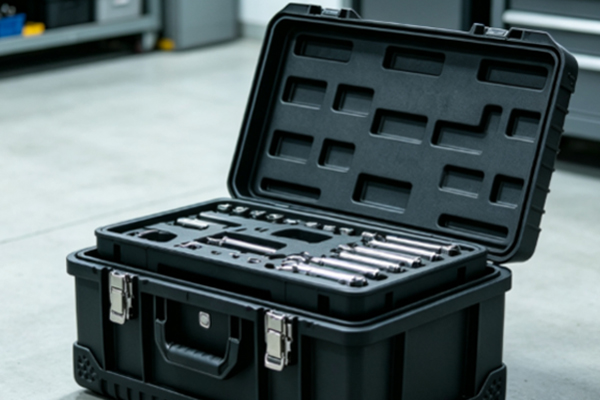
Toolbox design has gradually evolved from a simple storage container into a more flexible tool management solution. In maintenance, engineering, and inspection work, tool types and quantities often change, while fixed storage structures can easily
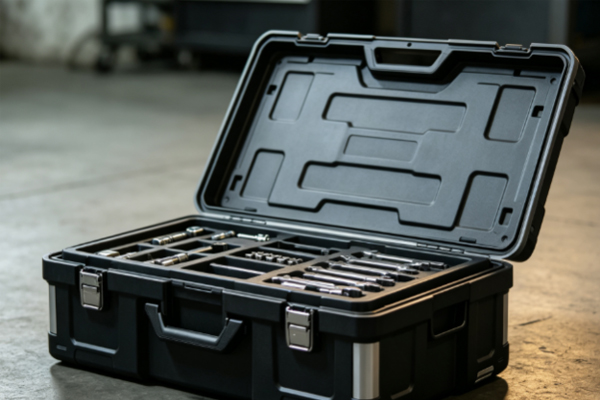
As the number of tools used in maintenance, inspection, installation, and other tasks continues to increase, the way storage space is utilized directly affects the daily working experience. Ordinary cases can easily lead to stacked
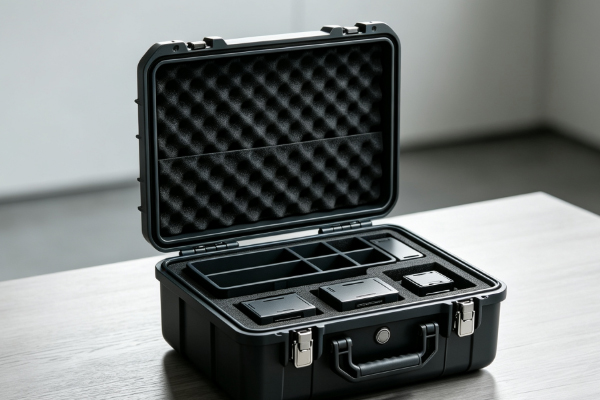
Construction sites often have work areas spread across warehouses, vehicles, different floors, and equipment installation points. Workers may need to move between these locations frequently during a project. Without a practical way to carry tools,
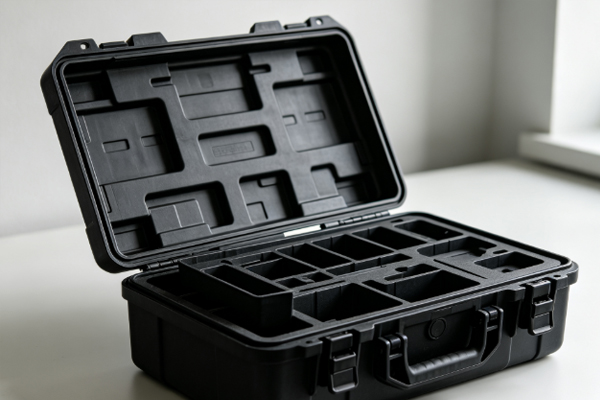
Different jobs involve different numbers of tools, equipment types, and working methods, making it difficult for a single storage configuration to accommodate every work scenario. Maintenance work requires quick access to commonly used tools, engineering
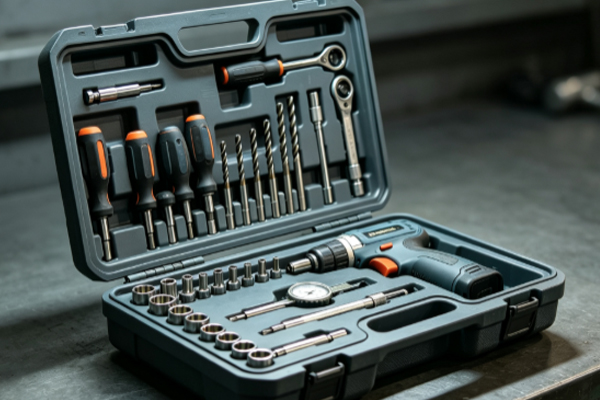
As the number of tools increases, ordinary tool cases can easily become insufficient in capacity, difficult to organize, and inconvenient to carry. Modular tool cases combine cases, compartments, trays, and internal accessories, allowing users to
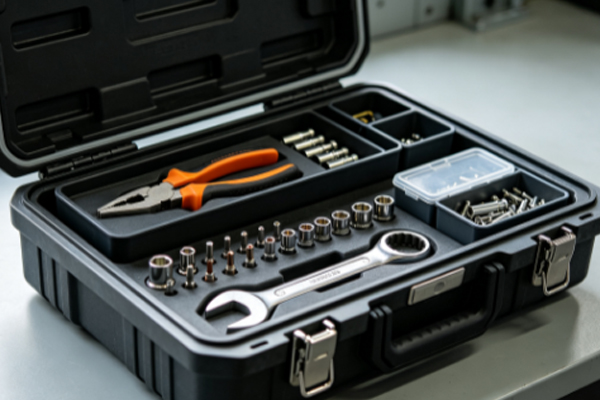
In manufacturing plants, auto repair shops, engineering projects, and equipment maintenance operations, businesses often deal with large numbers of tools, frequent use, and high staff turnover. Traditional mixed-storage methods can easily lead to difficulties in
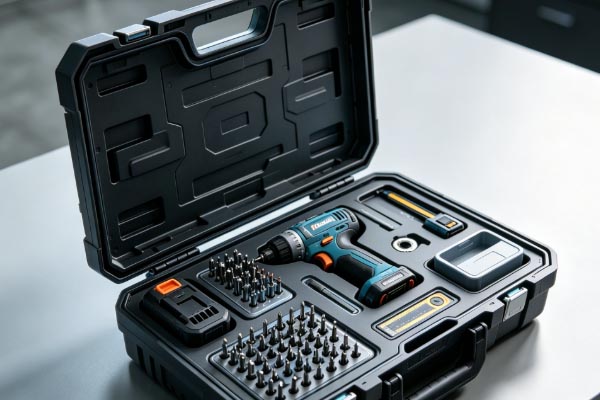
As the variety of tools continues to grow, maintenance personnel are demanding more from storage equipment than simply having enough capacity. Classification, mobility, and expandability have become equally important. Modular toolboxes are designed around a
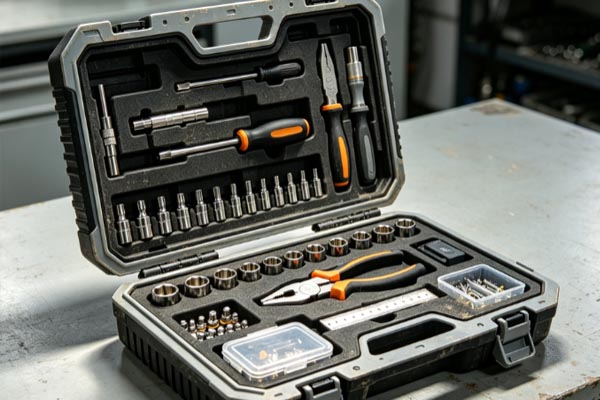
As the number of tools increases, the storage method directly affects work efficiency. Standard toolboxes are suitable for household repairs, simple installations, and everyday carrying. Their structures are usually relatively fixed, with limited capacity and
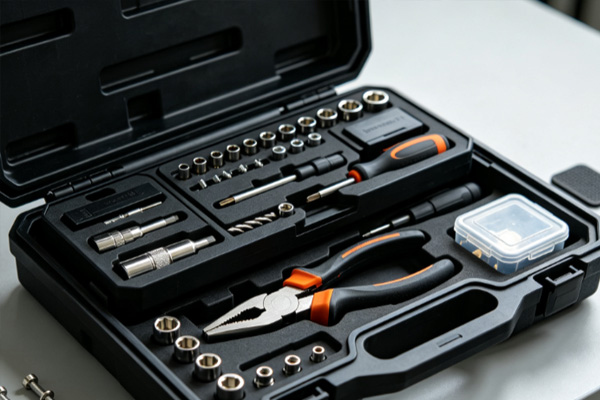
In automotive repair, mechanical processing, industrial maintenance, and equipment servicing environments, maintenance tools are frequently exposed to heavy handling, impacts, dust, and oil contamination. When tools are stored without proper organization for long periods, issues
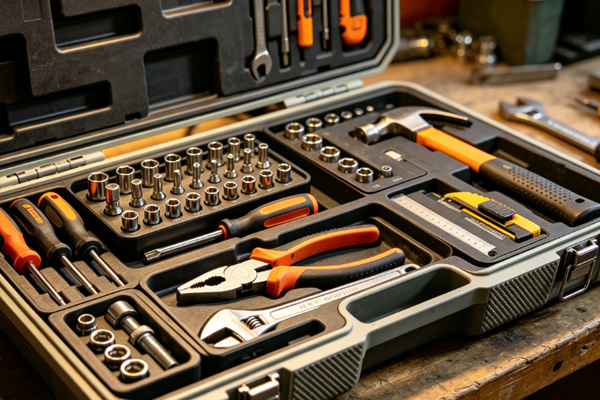
In maintenance operations, industrial production, and daily tool management scenarios, the number of tools continues to grow, and the requirements for storage systems are also increasing. Traditional toolboxes mainly serve basic storage functions, but they
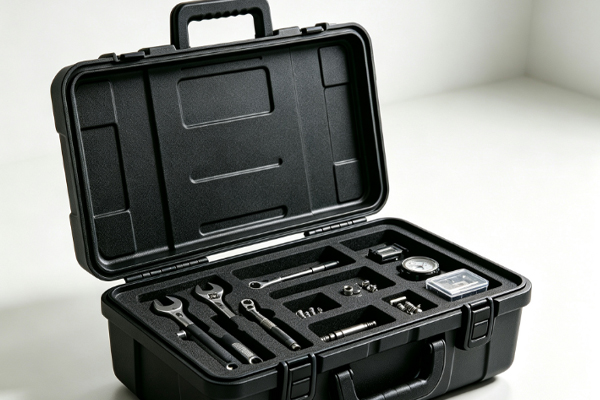
Today, with more tools and increasingly diverse usage scenarios, storage is no longer just about putting items away. It is about making tools easier to access, categories clearer, and transportation more convenient. Modular toolboxes are
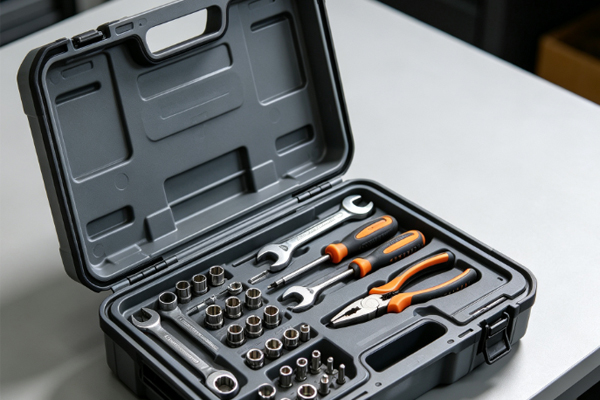
In high-frequency work environments such as repair workshops, automotive maintenance, equipment inspections, and construction sites, tools are numerous, varied, and highly mobile. Traditional toolboxes often struggle with insufficient storage, unclear categorization, and difficult transportation. Through