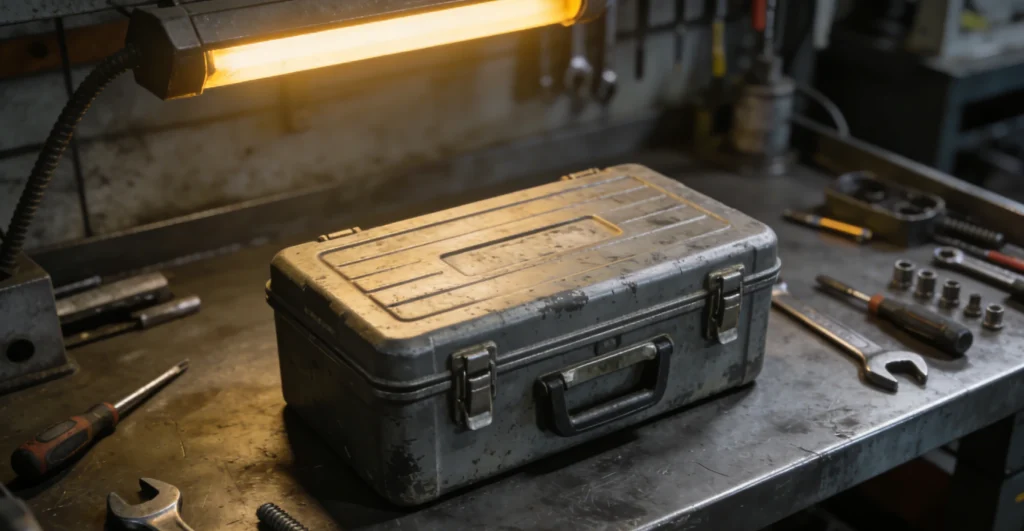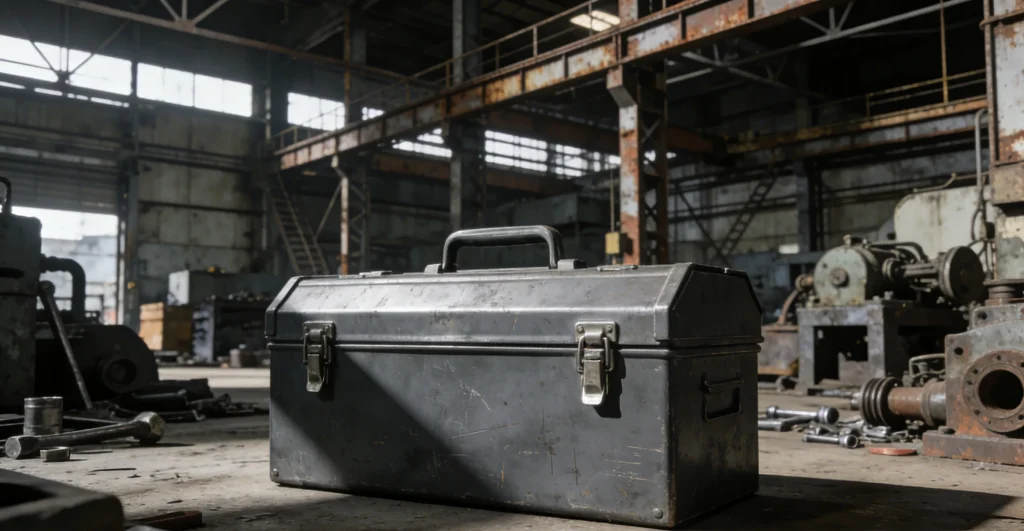
As the variety of tools continues to grow, maintenance personnel are demanding more from storage equipment than simply having enough capacity. Classification, mobility, and expandability have become equally important. Modular toolboxes are designed around a modular structure, dividing tools of different sizes and purposes into separate areas. This allows users to combine storage spaces flexibly according to specific work tasks. Compared with traditional single-unit toolboxes, modular toolboxes offer greater adaptability in space utilization, tool classification, carrying methods, and long-term management. In work environments where tools need to be accessed and organized frequently, a well-planned storage layout can help reduce search time and keep the work area tidy.
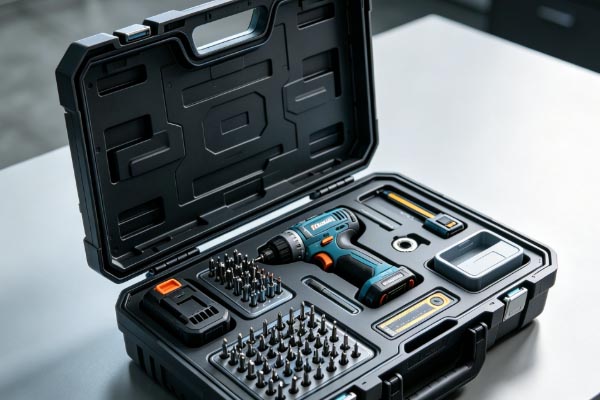
Modular Structures Make Tool Storage More Flexible
Modular toolboxes use a modular structure, allowing different storage units to be combined according to the number of tools and specific work requirements.
Independent Modules Facilitate Classification and Management:
Different tools vary in size and frequency of use. Independent modules make the storage layout clearer and more organized.
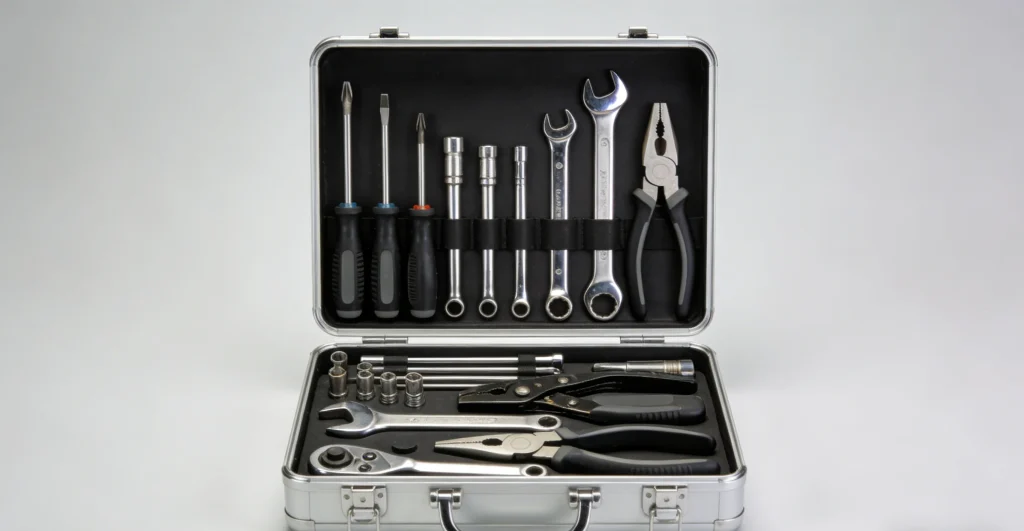
- Separate Storage for Hand Tools: Wrenches, screwdrivers, pliers, and other tools can be placed in dedicated areas to reduce mixing.
- Separate Protection for Precision Tools: Calipers, measuring instruments, and other equipment can be assigned independent spaces to reduce damage caused by collisions.
- Centralized Organization of Small Accessories: Screws, washers, bits, and other small parts can be managed using compartmentalized modules.
Clear module divisions can shorten tool search time and make maintenance procedures more efficient.
Modular Combinations Adapt to Different Tool Quantities:
The number of tools users have is not fixed. Modular design provides greater flexibility for future adjustments.
- Multiple Modules Expand Capacity: As the number of tools increases, storage capacity can be expanded by adding more storage modules.
- Flexible Combination of Different Module Sizes: Large tools and small accessories can be stored in units of different specifications.
- Layout Adjustments Based on Tasks: Corresponding modules can be selected and combined for different maintenance projects.
This combination method can adapt to tool management needs at different stages.
Improved Space Utilization
Through compartmentalized and combinable designs, modular toolboxes improve space utilization and help prevent tools from becoming overcrowded.
More Efficient Use of Vertical Space:
Multiple modules can be combined to increase storage capacity while reducing the amount of floor space occupied.
- Stacking Saves Space: Multiple toolboxes can be stacked according to their structural design, making them suitable for workshops, warehouses, and home garages.
- Independent Spaces Reduce Inefficient Areas: Different modules are designed according to tool dimensions, helping reduce wasted space.
- Frequently Used Tools Are Placed in Easily Accessible Locations: High-frequency tools can be arranged in upper or front areas to improve access efficiency.
Three-dimensional storage makes tool management more compact and orderly.
Internal Space Is Better Suited to Detailed Management:
A well-planned internal layout can reduce the disorder caused by long-term tool storage. Drawer compartments give different types of tools fixed positions, making them easy to return after use. Adjustable dividers can modify the proportions of storage spaces according to tool dimensions, while labeling areas can help personnel quickly locate target tools through text and numbering. This detailed design allows the toolbox to evolve from a simple storage device into a more standardized management tool.
Modular Toolboxes Support Both Mobility and On-Site Operations
Tools in professional maintenance environments often need to be moved frequently. Modular toolboxes can adjust carrying methods according to work tasks, making tool allocation more convenient.
Core Tools Can Be Carried Separately:
Not every maintenance task requires all available tools. Modular structures can reduce unnecessary weight.
- Frequently Used Tools Can Be Removed Separately: Routine maintenance may require only the commonly used tool module.
- Professional Modules Can Be Configured According to Tasks: For maintenance involving specific equipment, the corresponding tool module can be selected.
- Short-Distance Operations Become More Convenient: Reducing the overall number of tools makes on-site movement more flexible.
Personnel can control the range of tools they carry according to the actual task.
Mobility Features Improve On-Site Adaptability:
Modular toolboxes can be combined with handles, casters, and other structures to meet mobility needs in different work areas.
- Easier Movement Around Workshops: Tools can follow maintenance personnel to different workstations.
- More Flexible Allocation at Construction Sites: Different modules can be assigned according to construction tasks.
- More Efficient Centralized Transportation of Tools: After multiple modules are combined, more equipment can be carried at once.
The combination of mobility and modular design makes these toolboxes more suitable for high-frequency tool use environments.
Modular Design Enhances Long-Term Tool Management Value
Toolboxes are intended for long-term use. They must meet current needs while also supporting future expansion. Modular toolboxes can make tool management more flexible by adding or rearranging modules.
Easier Future Expansion:
Maintenance personnel often continue to add new tools during their work. Modular structures can reduce the impact of insufficient storage space. New tools can be stored by expanding the modules, increasing storage capacity without changing the overall storage system. When work requirements change, the functions of the modules can also be rearranged, reducing the need to repeatedly purchase new toolboxes and meeting long-term tool growth needs. This continuous expandability makes modular toolboxes more suitable as professional tool management equipment.
Helps Establish Standardized Management:
When a company has multiple maintenance positions, a unified modular design can help establish standardized tool configuration methods.
- Configure Tool Modules by Position: Different personnel can use corresponding combinations according to their work responsibilities.
- Establish Dedicated Modules by Equipment: Maintenance tools for different types of equipment can be managed separately.
- Facilitate Tool Inventory and Handover: Fixed locations and clear classifications can improve daily management efficiency.
Through unified configuration and classification management, companies can improve tool usage efficiency and reduce confusion during searching and handover.
The design advantages of modular toolboxes are mainly reflected in flexible combinations, space utilization, classification management, mobile operations, and long-term expandability. For work environments that require a large number of tools, such as automotive repair, industrial maintenance, machining, and construction, modular structures can make tool storage clearer and allow configurations to be adjusted according to specific tasks. SIPHIA BOX focuses on professional tool storage solutions and provides flexible, efficient tool management options for different work scenarios through modular design and practical structures.