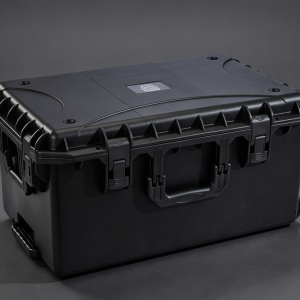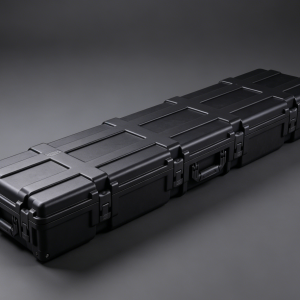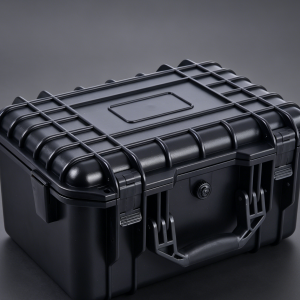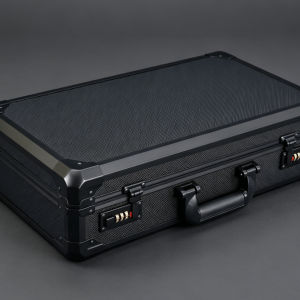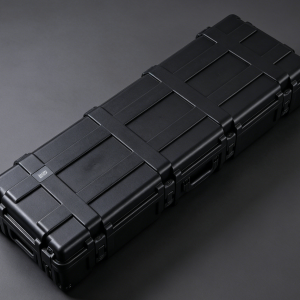
Aluminum tool boxes can be customized with a two-tone appearance, and two-tone designs have certain applications in truck tool boxes, industrial tool boxes, outdoor storage boxes, and customized corporate products. Traditional aluminum tool boxes usually use silver, black, or a single spray-painted color, making production and processing relatively simple. If a company wants the tool box to have a more distinctive brand identity or wants different areas of the box to feature different colors, a two-tone effect can be achieved through surface treatment, spraying, powder coating, local masking, and other processes. A two-tone design does not necessarily mean that the entire tool box must use two completely different materials. Different colors can also be applied to different areas of the same aluminum alloy box to create a two-tone appearance.
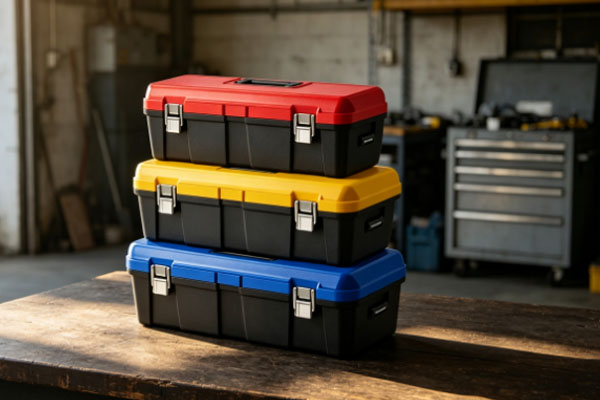
However, processing a two-tone tool box is generally more difficult than producing a single-color product because the production process requires control of color boundaries, masking positions, surface cleanliness, and coating adhesion. If there are obvious seams between the two-tone areas, wear during long-term use also needs to be considered. Therefore, when customizing a two-tone aluminum tool box, it is necessary not only to determine the two colors but also to confirm the color positions, processing methods, surface effects, and order quantity in advance so that the finished product achieves the expected result.
How Is a Two-Tone Appearance Achieved on an Aluminum Tool Box?
Achieving a Two-Tone Effect Through Spraying
Spraying is a relatively common method of color processing. After the aluminum tool box is cleaned and surface-treated, different areas can be sprayed separately. For example, the entire box can be treated first, and then masking can be used to protect the area where the first color has already been applied before spraying the second area. This can create a relatively clear two-tone boundary. This method is suitable for companies that require specific color combinations and can also be used to select colors close to corporate brand standards.
Creating a Stable Surface Through Powder Coating
Powder coating is also a commonly used surface treatment process for aluminum products. The powder is electrostatically attracted to the surface and forms a coating under heating conditions. If the tool box requires two colors, the different areas need to be properly divided and masked. Powder coatings generally provide good surface wear resistance, making them suitable for tool boxes that are frequently handled and used.
How Can Two-Tone Designs Be Combined?
Combining a Main Color with a Frame Color
A relatively common design method is to use one color for the main body of the box and another color for the frame, lid, or reinforcing structures.
For example:
Silver box body + black frame: Provides a distinct metallic appearance and is suitable for industrial and vehicle applications.
Black box body + silver frame: Creates a more noticeable visual contrast.
Dark main body + bright accent color: Suitable for corporate brand identification.
Silver main body + specified brand color: Suitable for bulk purchasing and corporate customization.
A two-tone design does not necessarily require two colors to be used across large areas. Adding a second color only to the frame, around the handle, or on the lid can also create a clear visual distinction.
Color Positions Need to Be Determined in Advance
When customizing a two-tone tool box, the color position is more important than simply determining the colors. For example, if a customer only tells the manufacturer, “half black and half silver,” the specific divisions still need to be determined during production. Whether the lid is black and the box body is silver, or the box body is black and the frame is silver, can result in significantly different final appearances. Therefore, before mass production, it is best to confirm the color areas through drawings, renderings, or samples.
What Practical Functions Do Two-Tone Tool Boxes Provide?
Improve Product Identification
If a company has multiple fleets or different operating departments, different colors can be used to distinguish tool boxes. For example, the maintenance department can use black and silver two-tone tool boxes, while the equipment department can use blue and silver. This allows employees to more easily identify the corresponding tool boxes in vehicle parking areas. If company logos or identification numbers also need to be added to the tool boxes, they can be incorporated into the two-tone design.
Enhance the Overall Appearance
Although single-color aluminum tool boxes are simple, their visual appearance is relatively uniform. Adding a second color can highlight the lid, frame, or structural lines, giving the tool box a more layered appearance. A two-tone design can also be coordinated with the vehicle body color, making the tool box more than just a simple storage device.
Affect Heat Dissipation and Surface Temperature
If black is selected as the primary exterior color over a large area, heat absorption under direct sunlight should be considered. Black surfaces generally absorb more solar radiation than light-colored surfaces, so the surface temperature of the box may become higher when the vehicle is parked outdoors for long periods in hot weather. If heat-sensitive items are stored inside the tool box, the operating environment needs to be taken into consideration.
Frequently Asked Questions
Q1: Can the two-tone appearance of an aluminum tool box be freely customized?
Answer: In most cases, it can be customized, but the specific colors, positions, and processing methods need to be determined according to the manufacturer’s production capabilities. Different two-tone designs have different masking and processing requirements, so it is best to confirm a sample before mass production.
Q2: Is a two-tone tool box more expensive than a single-color tool box?
Answer: It may generally increase processing costs. Two-tone products require additional processes such as color changes, masking, positioning, and surface treatment. The actual price also depends on the number of colors, order quantity, and processing method.
Q3: Is a two-tone tool box prone to paint peeling?
Answer: Whether the coating is prone to peeling depends on the aluminum sheet surface treatment, underlying treatment, coating quality, and processing process. Under normal conditions, a properly treated surface coating can meet daily usage requirements.
Q4: Can it be made in both silver and black?
Answer: Yes. Silver and black are relatively common industrial-style color combinations and can be used in different areas, such as the box body and frame or the lid and box body.
Aluminum tool boxes can be customized with a two-tone appearance, and the implementation methods are relatively flexible. Companies can choose different colors for the box body and lid according to their actual requirements, or change only the color of the frame, decorative areas, or specific structural components. A two-tone design can improve the visual identification of a tool box and is also suitable for unified designs for corporate fleets, engineering vehicles, and bulk-purchased products. However, a two-tone design is not simply a matter of spraying two types of paint onto an aluminum sheet. During processing, surface treatment, area division, masking, and color boundary control need to be properly handled. Otherwise, problems such as uneven color transitions and inconsistent coating thickness may occur.
During customization, purchasers should determine the color, position, area ratio, and surface finish in advance. If the color requirements are strict, standard color codes can also be provided to avoid color differences caused by screen displays or different lighting conditions when viewing samples. For truck tool boxes used outdoors for long periods, the weather resistance, wear resistance, and surface changes caused by sunlight should also be considered. Special attention should be paid to the surface temperature of dark-colored areas such as black under high-temperature conditions.