- WhatsApp / Phone:+1 6027256314
- Email:marktingoffice@siphiabox.com
Access professional knowledge about toolboxes and storage solutions. From practical advice to industry trends, we help you improve organization, efficiency, and the overall user experience.
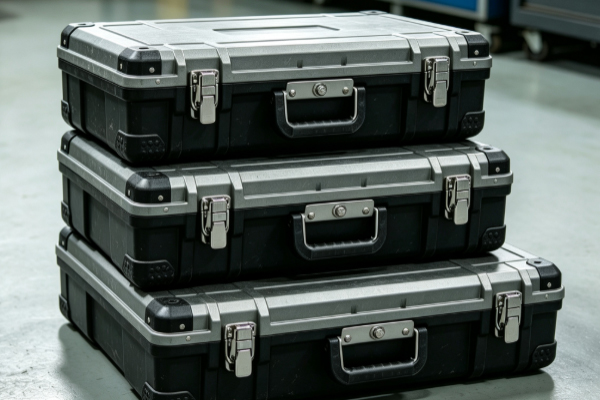
Tool storage involves more than simply having enough capacity. It also requires different types of tools to be stored separately, frequently used items to be accessed quickly, and the storage system to remain convenient when
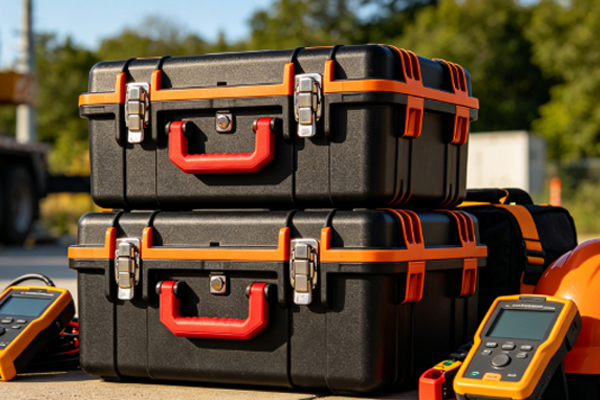
At repair, construction, and equipment maintenance sites, workers often need to carry multiple storage modules at the same time. Carrying several boxes separately can make organization and transportation more cumbersome, while simply stacking them may
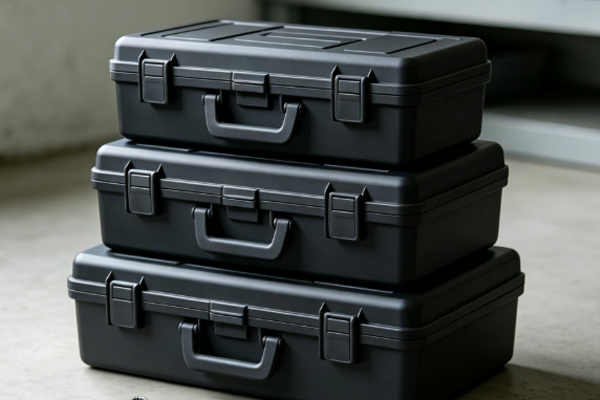
When the number of tools increases, storing everything in one large box can easily lead to small accessories being mixed together, large tools pressing against each other, and frequently used tools becoming difficult to access.
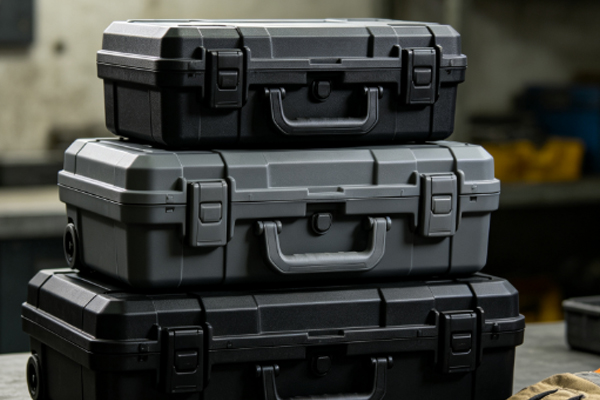
As the number of tools continues to grow, fixed-capacity toolboxes can quickly run out of space. For repair technicians, engineering teams, and DIY users, frequently replacing an entire toolbox set not only increases costs but
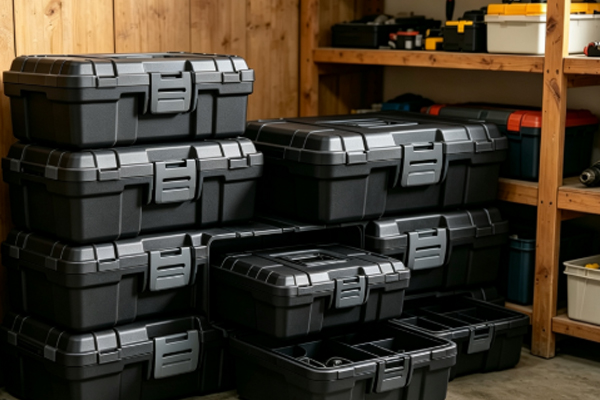
Stackable toolboxes often need to withstand the weight of tools, repeated handling, impacts to the box, and the pressure caused by stacking multiple units. For automotive repair, engineering construction, industrial maintenance, and outdoor work, toolbox
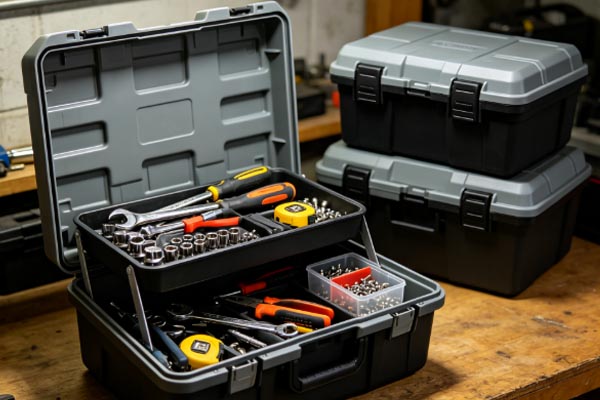
Tools used in repair, installation, and industrial operations vary widely, ranging from screwdrivers and wrenches to power tools, testing equipment, and small accessories. Different tools have different storage requirements. Stackable toolboxes use multi-level combinations, independent
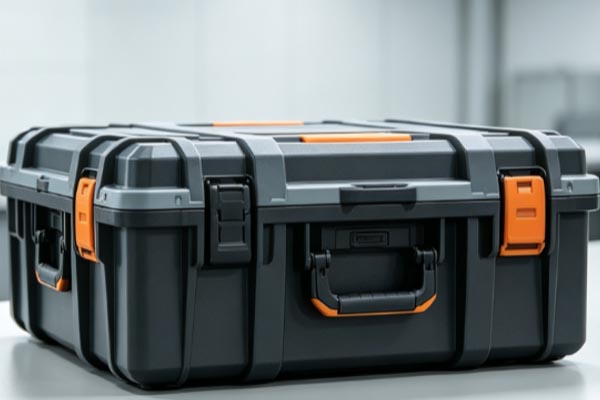
As the number of tools increases, traditional single-unit toolboxes can become limited in terms of capacity, organization, and portability. Stackable toolboxes feature a top-and-bottom combination design, independent storage, and flexible expandability, allowing them to be
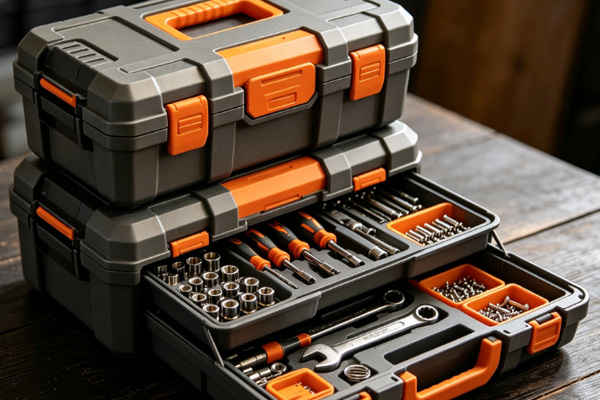
As the number of tools increases, the storage method directly affects workspace cleanliness and operational efficiency. Regular toolboxes usually feature a single-box structure, making them suitable for home repairs, basic installations, and storing a small
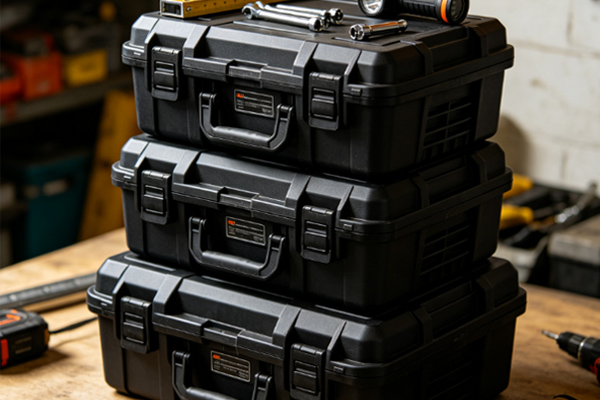
In application scenarios such as maintenance, industrial production, engineering construction, and home DIY, the way tools are stored directly affects work efficiency. Many users focus on the capacity, material, and appearance of toolboxes, while easily
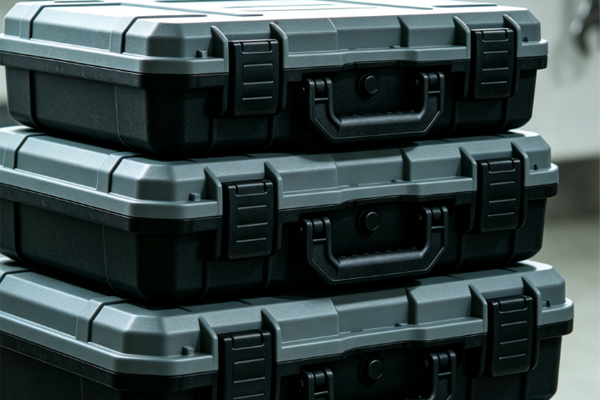
In maintenance workshops, construction sites, and home DIY environments, as the number of tools increases, storage clutter often becomes a daily challenge. Small accessories mixed together not only take up space but also increase the
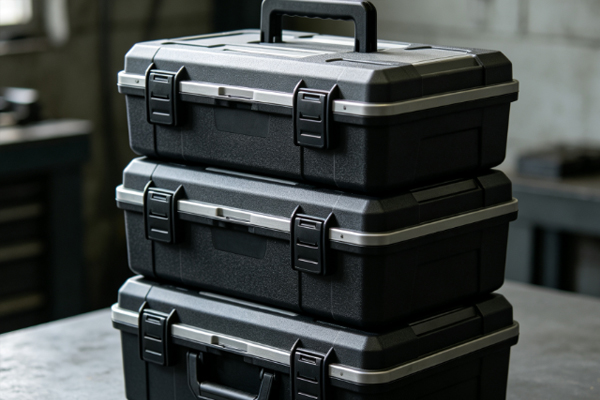
In maintenance work, industrial production, and home DIY scenarios, the number of tools continues to increase, making it increasingly important to quickly locate the required tool as a key factor affecting work efficiency. Traditional toolboxes
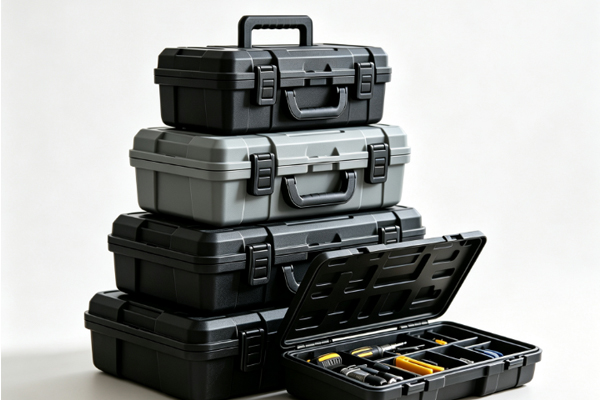
In various maintenance operations, engineering construction, and home DIY scenarios, the types and quantities of tools continue to increase, making efficient organization and storage a key concern for many users. Compared with traditional single-structure storage