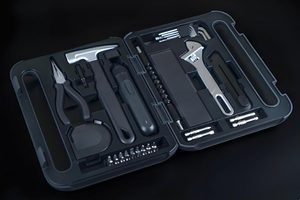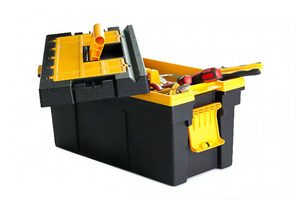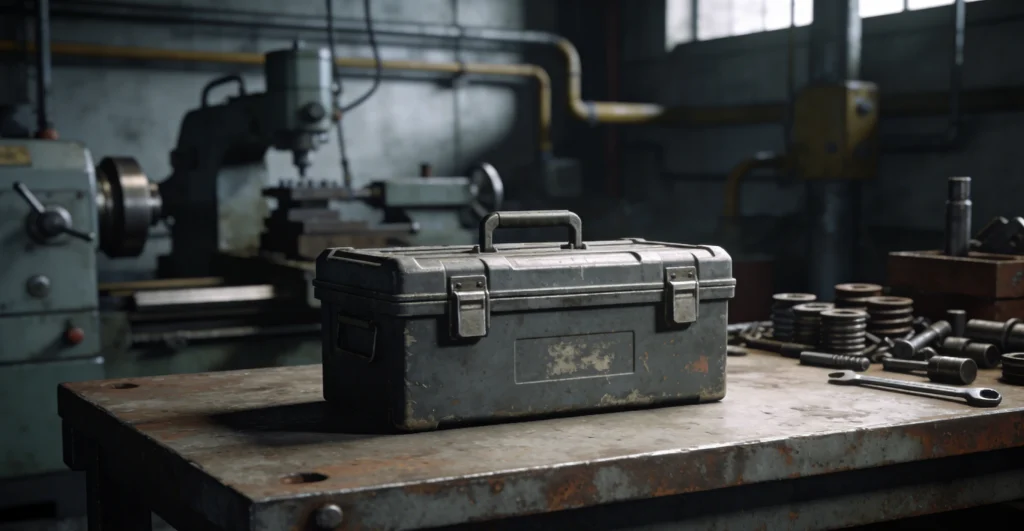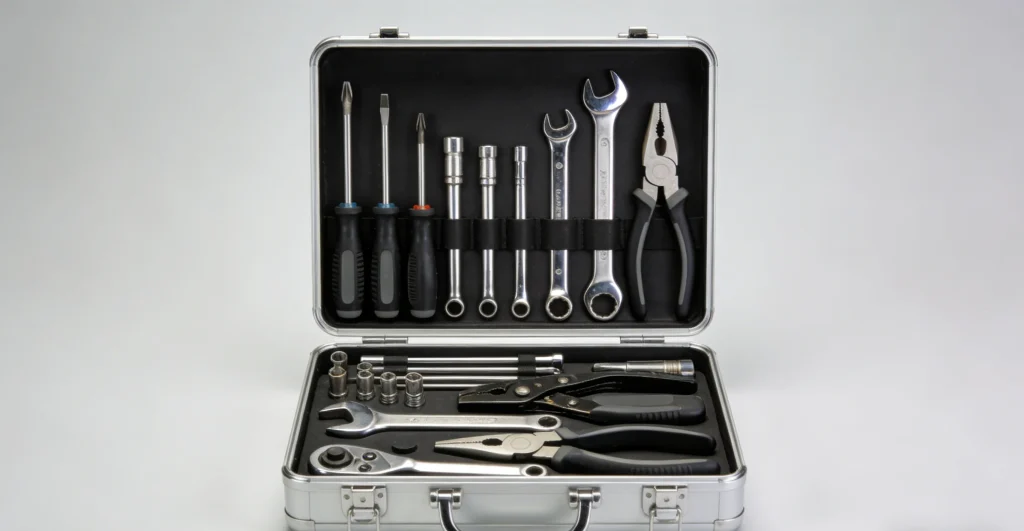
As the number of tools continues to grow, fixed-capacity toolboxes can quickly run out of space. For repair technicians, engineering teams, and DIY users, frequently replacing an entire toolbox set not only increases costs but also disrupts existing storage habits. Stackable toolboxes use independent cases, modular combinations, and vertical stacking to allow storage space to expand gradually according to actual needs. Expandability is reflected not only in adding more cases but also in adjusting functional modules, changing classification space, and creating flexible combinations for different work scenarios.
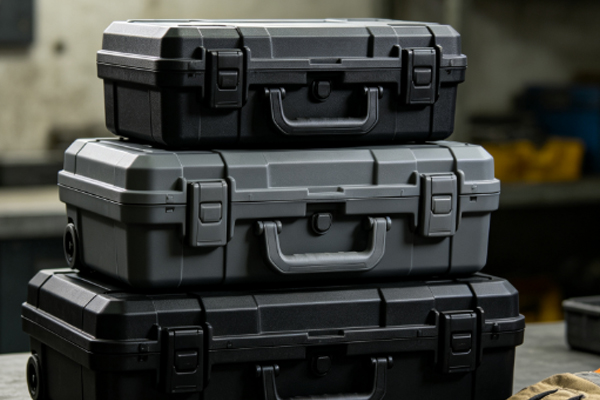
Stackable Toolboxes Can Expand Capacity by Adding Modules
The advantage of a stackable structure is that when the number of tools increases, users do not need to completely replace their existing storage system. Instead, they can continue adding storage space based on the current setup.
Vertical Stacking Improves Space Utilization
Traditional toolboxes mainly increase capacity horizontally, while stackable toolboxes make full use of vertical space.
- Adding more cases: When the existing space is insufficient, new toolbox modules can be added to gradually expand storage capacity.
- Reducing the footprint: Multiple cases can be combined vertically to provide more storage space in limited workshops, warehouses, or garages.
- Flexible combinations of different sizes: Modules with different heights and capacities can be selected according to tool sizes, making space utilization more efficient.
This expansion method is suitable for repair and engineering scenarios where the number of tools continues to grow.
Independent Modules Make Phased Configuration Easier
Expandability is also reflected in the way the toolbox can be purchased and used.
- A lighter initial setup: When the number of tools is limited, users can start with basic modules instead of purchasing an oversized storage system all at once.
- Expanding after adding more tools: As repair projects and tool types increase, users can add drawers, deep cases, or accessory modules as needed.
- Using different modules for different tasks: Frequently used tools, backup tools, and small parts can be configured separately to reduce mixing and clutter.
This gradual expansion method allows the tool storage system to adapt to changing needs.
Functional Module Combinations Make Expandability More Flexible
The expandability of a stackable toolbox is not limited to adding more cases. The internal and external configuration can also be adjusted according to different tool types.
Different Functional Modules Meet Different Tool Storage Needs
Different tools require different types of storage space, and a modular structure allows storage to be planned flexibly according to tool categories. Drawers are suitable for commonly used tools such as wrenches, screwdrivers, and pliers. Deep modules are suitable for drills, testing equipment, and larger accessories, while parts modules are ideal for storing small items such as screws, washers, and screwdriver bits. By combining different modules, tools can be classified more clearly and accessed more conveniently.
Module Replacement Reduces Long-Term Usage Costs
A highly expandable toolbox can not only add modules but also adjust its existing configuration according to changing needs.
- When tool types change: The purpose of each module can be reorganized to keep the storage space practical.
- When an individual module is damaged: If the structure supports independent replacement, users can avoid discarding the entire toolbox set.
- When work tasks change: Tool modules can be recombined so that the same storage system can adapt to different projects.
This adjustable structure can increase the long-term value of the toolbox.
Stackable Designs Can Adapt to Continuous Tool Growth
For professional repair and engineering teams, the number of tools often increases as the business develops. A highly expandable toolbox can reduce management problems caused by insufficient storage space.
Professional Repair Scenarios Require Ongoing Expansion
Automotive repair, equipment maintenance, and industrial servicing involve a wide range of tools.
- Adding modules by tool type: Hand tools, power tools, testing equipment, and consumables can each have their own storage areas.
- Configuring modules by job role: Different repair positions can use independent modules, making tool allocation and on-site management easier.
- Adjusting configurations according to project needs: When a certain type of tool is temporarily added, a corresponding module can be added to minimize the impact on existing storage space.
For teams with a large number of tools, an expandable structure makes the storage system easier to maintain over the long term.
Home DIY Users Can Also Benefit from Expandable Storage
Home users typically start with a small number of tools, but their collection may gradually grow over time.
- Starting with a basic case: When users initially need to store only screwdrivers, wrenches, and basic repair tools, a small module may be sufficient.
- Adding space for power tools: After purchasing a drill, charging equipment, or other DIY tools, users can add the corresponding storage modules.
- Maintaining an overall classification system: As the number of tools increases, continued stacking and zoning can prevent tools from gradually occupying all available household storage space.
Expandability allows the toolbox to continue adapting to changes in the number of tools and usage requirements.
Evaluating Expandability Requires Attention to Connections and Overall Stability
Whether a stackable toolbox can be expanded over the long term depends largely on the connection method between modules and the overall structure. As the number of modules increases, stability and ease of movement must also be maintained.
The Connection Structure Determines Stability After Expansion
When multiple cases are combined, the connection structure must support a greater overall weight.
- Latches need to be secure: During repeated assembly and disassembly, the connection points should remain stable and resist loosening over time.
- Positioning structures need to be precise: Accurate alignment between upper and lower modules can reduce movement after stacking.
- Locking mechanisms need to be easy to operate: A simple and reliable connection process allows users to quickly adjust the configuration according to their work requirements.
Latches, rails, and locking components all affect stability after expansion.
Mobility and Storage Efficiency Must Be Maintained After Expansion
After expansion, the overall weight of the toolbox will increase, so the position of each module needs to be arranged properly. Heavier modules should be placed at the bottom to improve stability; frequently used tools should be stored in easily accessible locations; and sufficient expansion space should be reserved to reduce the need for major reconfiguration later.
When choosing a stackable toolbox, users should also evaluate its expandability based on actual usage requirements. Module compatibility, the strength of connection points, the stability of combining different cases, and the availability of functional modules such as drawers, deep cases, and accessory boxes will all affect the subsequent user experience. With its stackable, detachable, and modular structure, SIPHIA BOX is suitable for automotive repair, industrial maintenance, engineering construction, and home DIY applications, helping users adjust storage configurations according to tool types and work tasks.