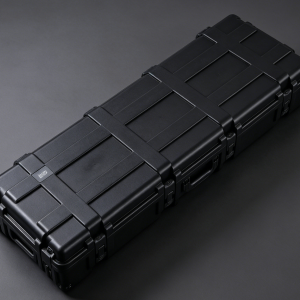
Toolbox color is more than an appearance choice. It can affect tool organization, workplace identification, brand image, and the overall user experience. In maintenance workshops, manufacturing plants, warehouses, engineering sites, and outdoor work environments, choosing the right toolbox color can help workers quickly identify tools and work areas while improving workplace organization. For businesses purchasing customized toolboxes, color is also an important specification to consider. So, how should you choose the right toolbox color? The following five factors are worth considering.
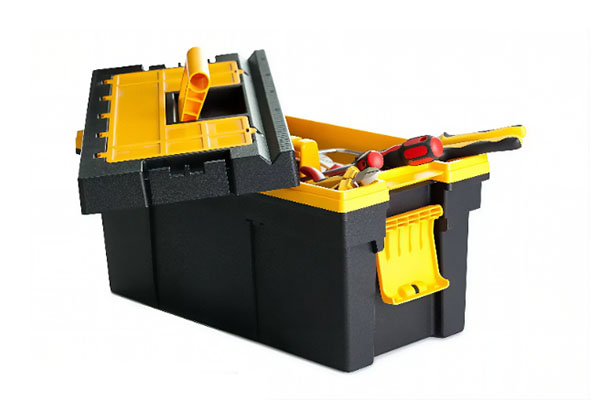
The Working Environment Is the Foundation of Color Selection
Choosing Colors for Indoor Workshops
Different working environments have different requirements for toolbox colors. In machining, equipment maintenance, and manufacturing workshops, toolboxes are often placed in fixed work areas for long periods. In these situations, colors can be selected according to the overall workshop environment and used to distinguish different jobs or tool categories.
For example, blue toolboxes can be used for mechanical maintenance tools, yellow toolboxes for electrical maintenance tools, and green toolboxes for inspection tools. This creates a clear and intuitive color-coded tool management system.
Outdoor Applications Require Good Visibility
If toolboxes are frequently used for construction, road maintenance, equipment installation, or outdoor engineering work, visibility becomes more important. Easy-to-identify colors can help workers locate toolboxes quickly, especially in busy environments where equipment and materials are stored in the same area.
Tool Management Requirements Determine the Color Classification System
Classify Toolboxes by Application
Toolbox colors can directly correspond to different tool categories. For example, red can be assigned to emergency repair tools, blue to mechanical tools, yellow to electrical tools, and green to inspection tools.
This color-coded system can reduce the time employees spend searching for tools and make it easier to return tools to their designated locations after use.
Classify Toolboxes by Job Role
Companies can also select toolbox colors according to different job roles. When different maintenance teams or production groups use specific toolbox colors, tools are less likely to become mixed between workstations, while managers can conduct tool inventory checks more efficiently.
For large manufacturing facilities, establishing consistent color-coding rules can make tool management more standardized.
Brand Image Also Influences Toolbox Color Selection
Use Corporate Colors for Toolbox Customization
For business customers, a toolbox is not only a container for storing tools but can also become part of the visual environment of a workplace. Selecting toolbox colors that match corporate branding can create a more consistent visual identity.
If a company already has established brand colors, these colors can be incorporated into the toolbox body, handles, or other components to create a customized appearance.
Different Colors Can Strengthen Brand Recognition
For businesses purchasing toolboxes in large quantities, a consistent color scheme can help employees quickly identify company-owned tools and equipment. Combining colors with logos, labels, or identification numbers can create a more complete toolbox management system.
Cleaning and Maintenance Requirements Should Also Be Considered
Different Colors Show Dirt Differently
Toolboxes may come into contact with dust, grease, metal particles, and other contaminants during long-term use. Light-colored toolboxes may make certain stains more visible, while dark-colored toolboxes can make some dust and minor marks less noticeable.
Therefore, in environments such as mechanical or automotive workshops where grease and oil are common, toolbox color should be selected according to cleaning frequency and actual working conditions.
Color Does Not Replace Durability
When choosing a toolbox, businesses should not focus only on color. Material quality, structural strength, wear resistance, water resistance, and the quality of handles and latches are also important. Color should be considered together with the actual requirements of the application rather than used as the only purchasing criterion.
Purchase Quantity and Customization Requirements Affect Color Selection
Small-Quantity Purchases Can Focus on Functional Classification
For small-scale toolbox purchases, businesses can use existing colors to distinguish different tool categories without developing a complex customized color system. A clear color management rule can still provide fast identification and efficient organization.
Bulk Purchases Are Suitable for Custom Colors
For manufacturing companies, maintenance service providers, engineering businesses, and industrial equipment companies that require long-term or bulk toolbox purchases, a dedicated color scheme can be developed according to working conditions and branding requirements.
When customizing toolboxes, businesses can consider toolbox dimensions, internal organization, colors, logos, labels, and tool configurations together. This helps create a toolbox solution that better matches actual workflows.
Toolbox Color Selection Should Balance Practicality and Management
There is no single best toolbox color for every application. In practice, businesses should focus on five key factors: working environment, tool management requirements, brand image, cleaning and maintenance, and purchasing or customization needs.
For workshop management, color classification and job identification may be the priority. For outdoor engineering applications, visibility may be more important. For bulk corporate purchases, toolbox colors can be further customized according to brand identity and management requirements.
A well-planned color system can turn toolboxes from simple storage products into an effective part of workplace visual management. Combined with suitable dimensions, structures, and internal layouts, customized toolboxes can help businesses establish a clearer and more efficient tool storage and management system.