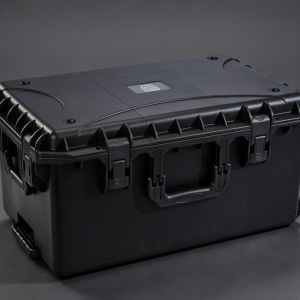
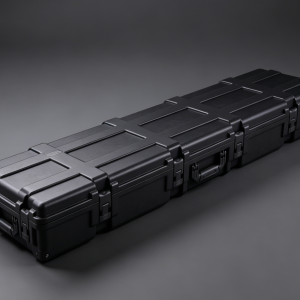
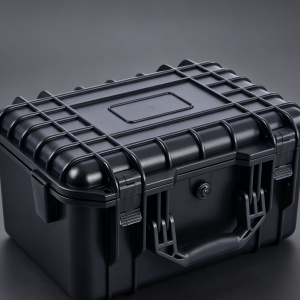
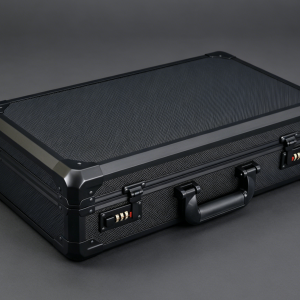
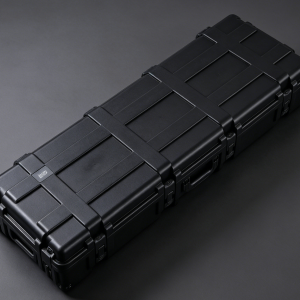
When buying a toolbox, color is often one of the first things people notice, while size, structure, material, and storage capacity have a more direct impact on actual use. For individual users, toolbox color can largely be a matter of personal preference. For maintenance workshops, manufacturing companies, engineering teams, and other professional applications, however, color can also support tool classification and workplace identification. So, should you prioritize color or function when buying a toolbox? From a practical perspective, function and application requirements should come first, while color can be used as a supporting tool for identification and management.
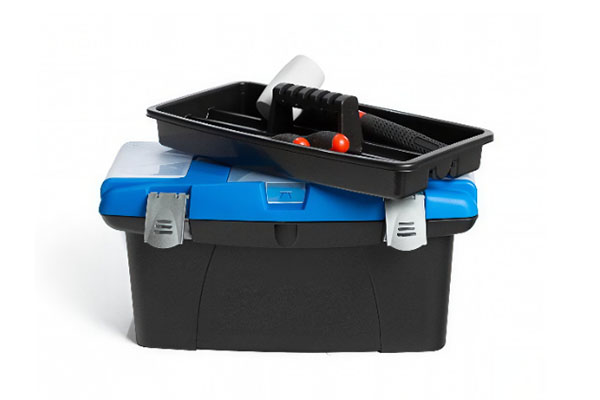
Why Should Toolbox Function Come First?
Size Determines Whether Tools Can Be Stored Properly
Before purchasing a toolbox, identify the tools that need to be stored. Wrenches, screwdrivers, pliers, measuring tools, and power tools can require very different amounts of storage space.
If a toolbox is too small, larger tools may not fit properly. If it is too large, it may take up unnecessary workspace. The toolbox size should therefore be selected according to the number, dimensions, and frequency of use of the tools.
Internal Organization Affects Tool Accessibility
A practical toolbox needs more than sufficient capacity. Its internal organization is equally important. Compartments, trays, drawers, and dedicated slots can keep different tools separated and organized.
For maintenance professionals, an organized interior can reduce the time spent searching for tools and help prevent tools from hitting or damaging each other.
Material and Durability Matter for Long-Term Use
The toolbox material should match the working environment. Plastic toolboxes are lightweight and suitable for general maintenance and portable applications. Metal toolboxes generally offer greater structural strength and can be suitable for industrial environments. Aluminum toolboxes can provide a balance between weight, strength, and portability.
If a toolbox will be used regularly in workshops, construction sites, or outdoor environments, buyers should also consider wear resistance, water resistance, and dust protection.
Does Toolbox Color Have Practical Value?
Color Can Improve Tool Identification
Although color is not the core function of a toolbox, it can provide practical value in professional workplaces. For example, blue toolboxes can be used for mechanical tools, yellow toolboxes for electrical tools, and red toolboxes for emergency maintenance equipment.
With a consistent color-coding system, employees can quickly identify the general purpose of a toolbox.
Color Can Support Work Area Management
Large manufacturing facilities often contain multiple production lines and maintenance areas. Different toolbox colors can correspond to different teams, machines, or work areas, creating a simple visual management system.
However, color classification should follow consistent rules. If the same color has different meanings in different areas, it may create confusion rather than improve management.
How Should Toolboxes Be Selected for Different Applications?
Home Maintenance Requires Portability
Home users generally do not need a complex toolbox management system. Size, weight, storage capacity, and opening mechanisms may be more important factors. Color can be selected mainly according to personal preference.
Maintenance Workshops Require Structure and Organization
Maintenance workshops often require tools to be accessed frequently. Toolbox durability, capacity, internal organization, and mobility are therefore important considerations. Different colors can also be used to distinguish job roles and tool categories.
Outdoor Engineering Requires Protection and Visibility
Construction, equipment installation, and outdoor maintenance work require toolboxes with suitable protective performance. In addition to material and structural strength, highly visible colors can make toolboxes easier to locate in complex work environments.
What Functions Should Businesses Consider When Purchasing Toolboxes?
Determine Toolbox Size Based on Tool Configuration
Before purchasing toolboxes in bulk, businesses can review the actual number of tools and classify them according to commonly used tools, large tools, and spare tools. This helps determine the appropriate toolbox dimensions and internal layout.
Select Materials According to the Working Environment
If the toolbox will be exposed to grease, dust, moisture, or frequent handling, buyers should pay close attention to material quality, sealing performance, wear resistance, and structural strength.
Select Colors According to Management Requirements
If a company needs to classify tools by job role or work area, a standardized color system can be established during the purchasing process. Logos, identification numbers, and labels can also be incorporated into the toolbox management system.
How Can Color and Function Be Balanced?
Choosing a toolbox does not have to be a simple decision between color and function. In practical applications, the principle of “function first, color second” is often more useful.
First determine the required capacity, structure, material, portability, and protection level. Then select the appropriate color according to the working environment and management requirements. For bulk corporate purchases, businesses can also consider customizing the toolbox color, logo, dimensions, and internal structure.
Practical Toolbox Buying Tips
Before purchasing a toolbox, start by identifying the application environment and the number of tools that need to be stored. Next, determine the appropriate toolbox dimensions and internal organization, followed by the required material and protection level. If tools need to be classified by job role, work area, or application, establish a suitable color system.
For individual users, toolbox color can largely reflect personal preferences and habits. For industrial businesses, color can become part of a broader tool management system. A practical toolbox should not simply look suitable—it should support long-term use, efficient tool storage, and organized workplace operations.
Therefore, when purchasing a toolbox, function determines how practical the toolbox is, while color can make identification and management more convenient. Combining both factors allows buyers to select a toolbox that better matches their actual working requirements.