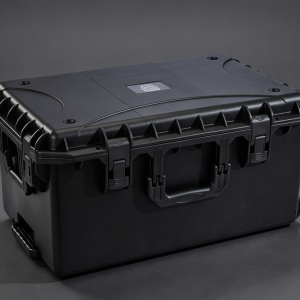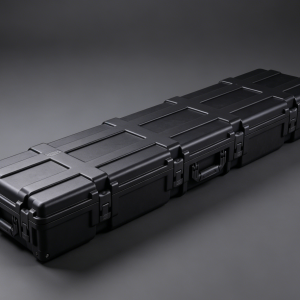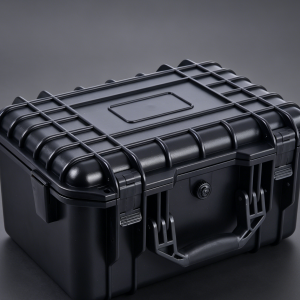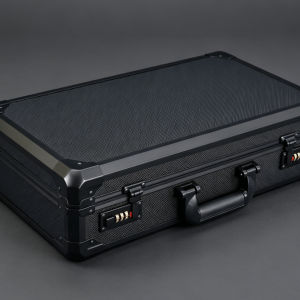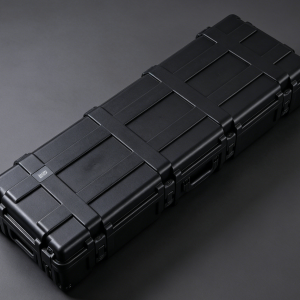
A toolbox may seem like nothing more than a container for storing tools, but its size can have a direct impact on how efficiently tools are organized and used. A toolbox that is too small can quickly become overcrowded, while one that is too large may waste space and add unnecessary weight.For maintenance technicians, electricians, installers, automotive professionals, and even household users, choosing the right toolbox size is not simply about fitting everything inside. The goal is to keep tools organized, easy to find, and convenient to access. A properly sized toolbox with a practical interior layout can reduce time spent searching for tools and make everyday work much more efficient.
Why Does Toolbox Size Affect Organization Efficiency?
Limited Space Leads to Tool Clutter
As the number of tools increases, limited storage space becomes one of the most obvious problems with a small toolbox.Screwdrivers, wrenches, pliers, and other hand tools can end up stacked together when there is not enough room. Over time, smaller tools may become buried underneath larger ones, forcing users to remove several items just to find the tool they need.
This type of storage not only makes the toolbox difficult to organize but can also increase the risk of tools being scratched or damaged.For this reason, toolbox selection should not be based solely on the number of tools you own today. If your collection is likely to grow, leaving some extra storage space can help avoid the need to replace the toolbox later.
An Oversized Toolbox Can Also Reduce Efficiency
A larger toolbox is not automatically a better toolbox.If you only have a small collection of tools but choose a toolbox with excessive capacity, tools may move around inside the empty space. Smaller items can become scattered, making them harder to locate despite having plenty of storage room.
An oversized toolbox can also be heavier and take up more storage space. This becomes particularly important for professionals who carry their tools between vehicles, workshops, and job sites every day.The ideal toolbox size should match the number of tools, tool dimensions, and type of work rather than simply maximizing storage capacity.
How Can the Right Toolbox Size Improve Tool Organization?
Create Separate Areas for Different Tool Types
Efficient organization is not only about having enough space. It is also about having a logical place for every tool.
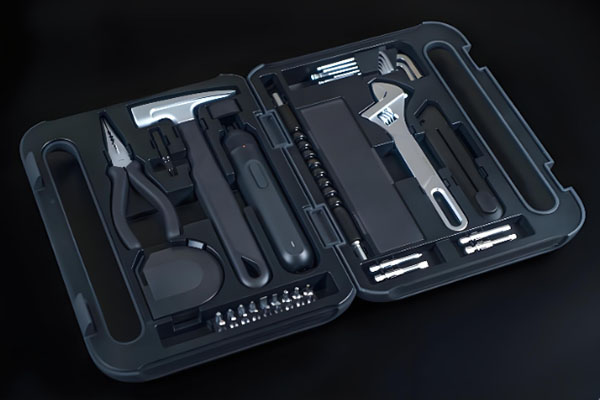
For example, screwdrivers and hex keys can be stored in one area, pliers and adjustable wrenches in another, while screws, nuts, washers, and other small accessories can be kept in dedicated compartments.
When the toolbox is appropriately sized, trays, dividers, and internal compartments can be used to create different storage zones.
Once each type of tool has a designated location, users can find what they need more quickly and return tools to the same place after use.
Small Accessories Need More Precise Storage
Screws, electrical terminals, drill bits, screwdriver bits, and similar accessories are usually small and often available in many different sizes. If they are all placed in one large compartment, they can easily become mixed together.
For these items, the overall toolbox size is not necessarily the most important factor. The internal organization is often more valuable.
When choosing a toolbox, therefore, consider both its external dimensions and internal layout. Well-designed compartments can make better use of available space while keeping small accessories separated and easy to identify.
How Does Toolbox Size Affect Tool Access Speed?
Keep Frequently Used Tools Easy to Reach
In many working environments, the time required to find and retrieve a tool can have a noticeable effect on productivity.A maintenance technician, for example, may need to use screwdrivers, pliers, or wrenches dozens of times during a workday. If these tools are buried at the bottom of a toolbox, repeatedly moving other tools out of the way can quickly become frustrating and inefficient.
A properly sized toolbox allows frequently used tools to remain visible and easy to reach.Toolboxes with trays, drawers, or multiple storage levels can be particularly useful for professional applications because tools can be arranged according to how often they are used.
Match Tool Dimensions With Toolbox Depth
Toolbox depth is another factor that is often overlooked.Long tools require sufficient internal height or length to fit properly. On the other hand, if the toolbox is excessively deep, small tools placed at the bottom can become difficult to reach.
The internal dimensions should therefore correspond to the dimensions of the tools being stored. Long-handled tools may require longer storage areas, while smaller tools often benefit from shallow compartments that provide quick access.
Different Applications Require Different Toolbox Sizes
Household Repairs: Compact Toolboxes Are Often Enough
Household tool collections usually consist of basic repair tools such as screwdrivers, hammers, tape measures, pliers, and wrenches.For these applications, a small or medium-sized toolbox is generally sufficient. A toolbox that is unnecessarily large may simply take up more room without providing meaningful benefits.
Electricians and Maintenance Professionals Need Better Organization
Electricians and maintenance technicians often carry a wider variety of tools. In addition to standard hand tools, they may need testing instruments, electrical accessories, connectors, and specialized equipment.A medium-sized toolbox can provide a useful balance between storage capacity and portability. For professionals who frequently move between job sites, toolboxes with handles, telescopic handles, or wheels can make transportation considerably easier.
Precision Equipment Requires Accurate Internal Dimensions
Measuring instruments, electronic equipment, and other precision devices have more specific storage requirements.These products may require foam inserts or custom compartments to keep them securely positioned. If the toolbox is too large internally, equipment may move during transportation. If it is too small, the equipment may be difficult to install or remove safely.For this reason, precision equipment cases should be selected based on internal dimensions, fixing methods, cushioning, and overall protection—not simply the external size of the case.
How Can You Choose a Toolbox Size That Improves Organization?
Start by Listing the Tools You Need to Store
Before purchasing a toolbox, gather all the tools you plan to keep inside it.Pay attention to the longest tool, the largest item, and the number of smaller accessories. These factors can help determine the basic dimensions you need.Measuring your tools in advance is generally more reliable than judging toolbox capacity by its exterior appearance.
Leave Room for Future Tool Expansion
Tool collections often grow as work requirements change.If a toolbox is filled to capacity from day one, you may quickly run out of room after purchasing a few additional tools. Choosing a toolbox with some extra capacity can make sense, but there is no need to select an unnecessarily large model.The goal is to leave enough room for reasonable future expansion without creating excessive empty space.
Look Beyond External Dimensions
Two toolboxes with similar exterior dimensions can provide very different organization experiences.Trays, dividers, drawers, modular storage systems, and foam inserts can significantly change how efficiently the available space is used. For professional users who frequently access their tools, a well-designed interior may be more valuable than simply adding extra capacity.
Tool Organization Efficiency Depends on Both Size and Structure
Toolbox size affects storage capacity, organization, accessibility, and portability. A toolbox that is too small can cause clutter, while an oversized model can add unnecessary weight and consume valuable storage space.
Efficient tool organization is not about putting as many tools as possible into the largest available box. It is about giving every tool a suitable place.
When selecting a toolbox, consider the number of tools, tool dimensions, frequency of use, working environment, interior layout, and portability. For professional applications, it may also be worth considering foam inserts, modular compartments, and customized interior configurations.
The right toolbox size does more than provide storage space. It makes tools easier to organize, faster to find, and more convenient to use—helping make everyday work more efficient.