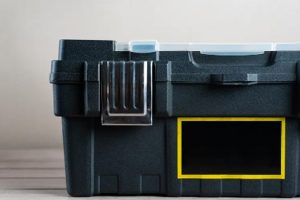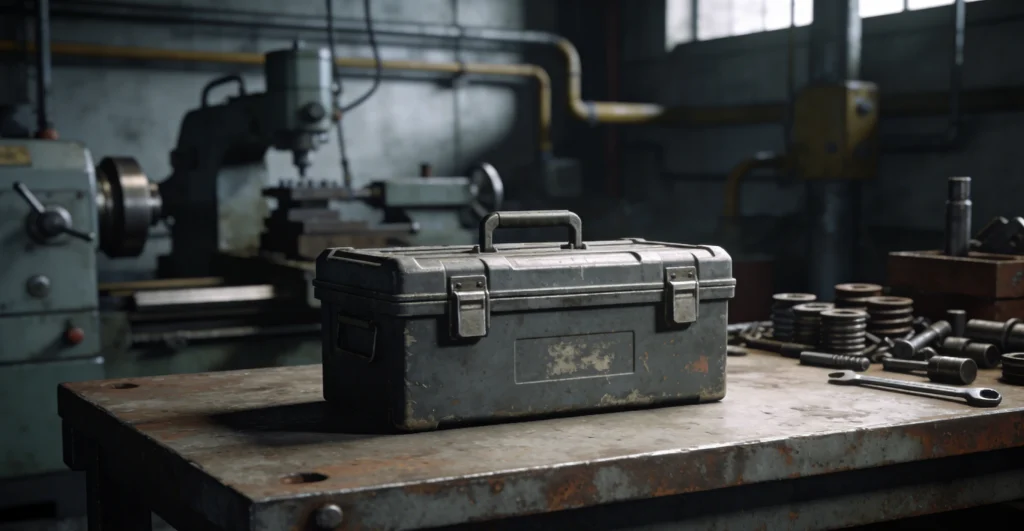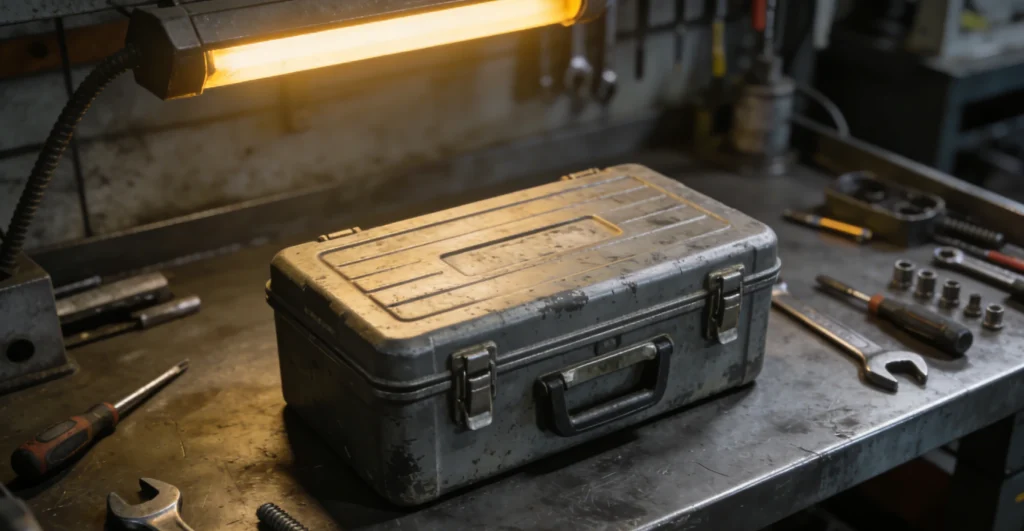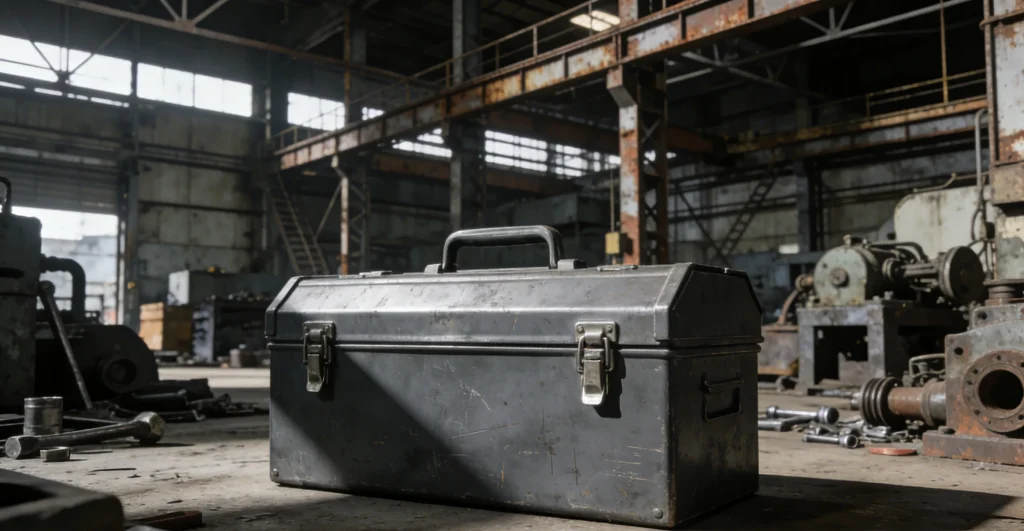
In maintenance work, industrial production, and home DIY scenarios, the number of tools continues to increase, making it increasingly important to quickly locate the required tool as a key factor affecting work efficiency. Traditional toolboxes usually adopt a single-compartment design. When different types of tools are mixed together, it often leads to difficulties in searching, scattered parts, and inefficient space utilization. Stackable toolboxes, through modular structures, multi-layer combinations, and flexible storage designs, allow tools to be classified and managed according to usage frequency, functional type, and operational needs, thereby improving organization efficiency and optimizing the overall tool management system.
Modular Structure Enhances Classification Capability
The core advantage of stackable toolboxes lies in the ability of modules to be independently combined, allowing different tools to have dedicated storage areas.
Independent Modules Enable Functional Classification
Different modules can be planned according to tool types, improving overall management efficiency.
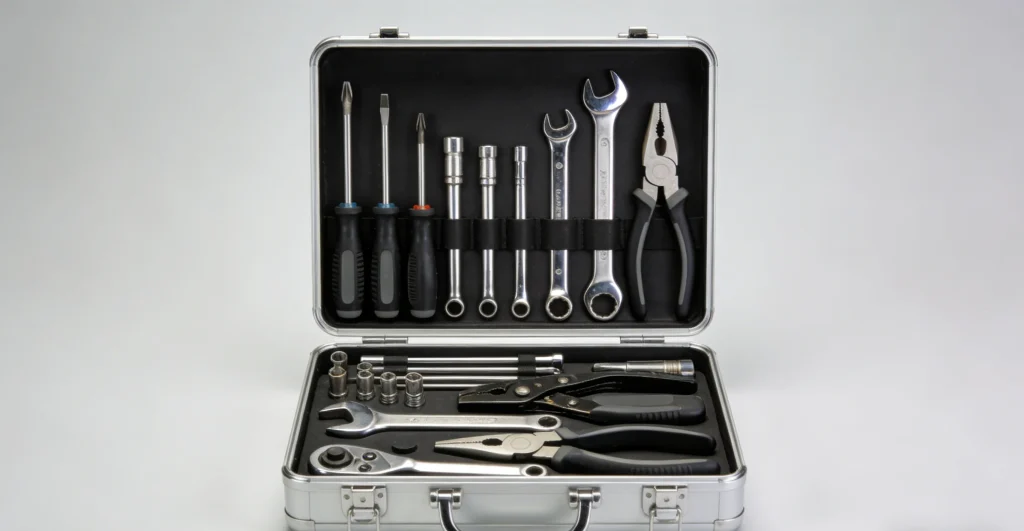
- Hand Tool Module: Common tools such as wrenches, screwdrivers, and pliers are stored together to reduce search time.
- Power Tool Module: Electric drills, batteries, and charging devices are managed separately to avoid mixing.
- Accessory Storage Module: Small items such as screws, washers, and drill bits are organized using compartmentalized spaces to reduce the risk of loss.
Clear module division makes tool placement more intuitive.
Adjust Layout Based on Usage Frequency
Different tools have different usage frequencies, so storage positions should be reasonably planned.
- High-Frequency Tools First: Place them in easily accessible positions to reduce retrieval time.
- Low-Frequency Tools Stored Separately: Keep them in lower modules to save operational space.
- Spare Tools Centrally Managed: Assign fixed areas for easier replenishment and maintenance.
Flexible layout adjustments better match real usage habits.
Layered Design Optimizes Space Utilization
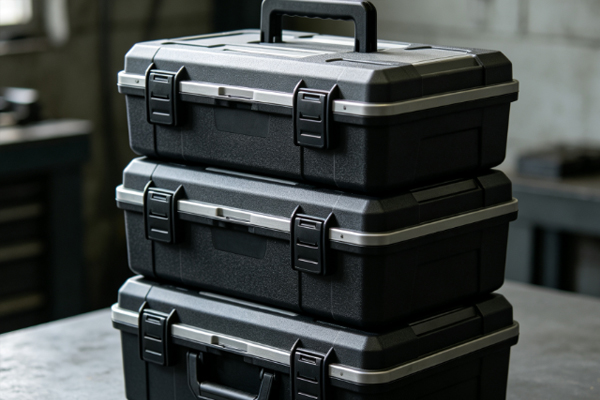
Stackable toolboxes improve storage capacity in limited space through vertical stacking.
Multi-Layer Stacking Reduces Space Waste
Traditional tool storage is often limited by horizontal space, while stackable designs make full use of vertical space.
- Increased Storage Capacity: Multiple units combined can store more types of tools.
- Reduced Footprint: More maintenance supplies can be stored within the same area.
- Clear Zoning: Different layers correspond to different tool categories, making management clearer.
Efficient use of vertical space makes tool storage more effective.
Layered Storage Enables Faster Retrieval
Different height levels correspond to different usage needs. The top module stores frequently used tools for quick daily access; the middle module is used for auxiliary tools and testing equipment; the bottom module stores large tools, providing higher load capacity and stability. This layered structure effectively reduces clutter and improves overall work efficiency.
Labels and Zoning Improve Management Efficiency
Scientific classification relies not only on structure but also on proper management methods.
Label System Improves Identification Efficiency
Clear labeling helps users quickly locate tools.
- Tool Category Labels: Indicate hand tools, power tools, and accessory areas for quick searching.
- Project-Based Labels: Dedicated tool zones can be created for different maintenance tasks.
- Color Coding Management: Different markings distinguish module purposes and improve recognition speed.
A well-designed labeling system makes tool management more standardized.
Fixed Positions Reduce Tool Disorganization
Maintaining fixed storage positions helps form stable usage habits. Returning tools after use ensures each item has a defined location, reducing random placement. It also makes inventory checks easier and simplifies regular stocktaking. In team collaboration scenarios, it improves workflow efficiency, allowing multiple users to quickly locate tools. Overall, fixed-position management significantly enhances tool usage efficiency.
Stackable Toolboxes Suit Multiple Management Needs
Different working environments require different classification methods, and stackable toolboxes can adapt flexibly.
Industrial Maintenance Scenarios
Industrial environments typically involve a large number of maintenance tools.
- Large Equipment Tool Classification: Storage areas are divided based on maintenance projects to improve on-site efficiency.
- Centralized Spare Parts Management: Enables quick replenishment during maintenance work.
- Flexible Mobile Combination: Toolbox layout can be adjusted according to production area changes.
Industrial maintenance scenarios require more systematic tool management.
Home DIY Scenarios
Home users also need proper tool organization.
- Daily Tool Centralization: Common household tools remain neatly stored.
- Small Item Classification: Items such as screws and tape are less likely to scatter.
- Flexible Space Adjustment: Modules can be freely combined based on home storage conditions.
Stackable toolboxes make home tool management simpler and more organized.
Maintaining Efficient Management in Long-Term Use
Stackable toolboxes not only meet current storage needs but also adapt to future tool growth.
Expandable Modules Accommodate Tool Growth
As the number of tools changes, users can adjust the storage structure.
- Add New Modules: No need to replace the entire system as tool quantity increases.
- Replan Layout: Adjust classification methods based on work requirements.
- Maintain Long-Term Value: Flexible structure adapts to different stages of tool management.
Expandable design gives toolboxes stronger long-term adaptability.
Stable Structure Enhances Management Experience
The quality of the toolbox itself affects long-term classification performance.
- Durable Materials Ensure Stability: Maintains good structure even after long-term use.
- Secure Connection Design: Reduces shaking during stacking and improves safety.
- Easy Access Design: Enables quick tool retrieval and improves efficiency.
A reliable structure ensures continuous effectiveness of classification management.
Through modular combination and layered storage design, stackable toolboxes allow different types of tools to be stored in an organized manner while maintaining a clear retrieval logic in practical use. Whether in complex industrial maintenance environments or daily home maintenance scenarios, this structure helps users organize tool resources more efficiently. With a practical design philosophy, SIPHIA BOX provides a more systematic solution for tool storage, improving both space utilization and operational efficiency simultaneously.