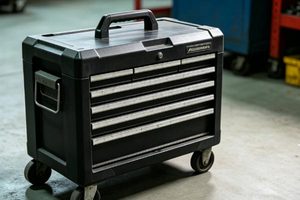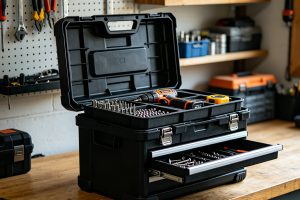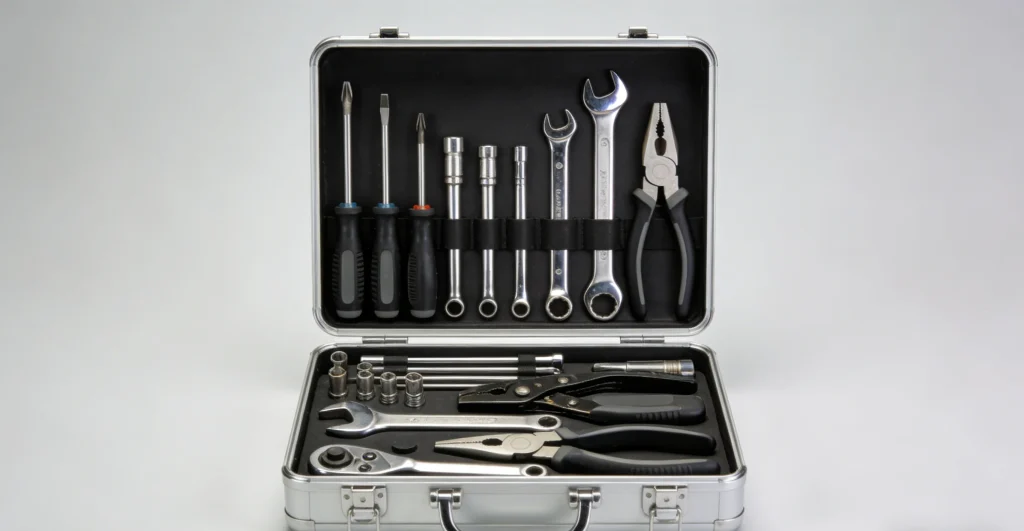
Automotive repair workshops handle a large number of hand tools, power tools, diagnostic equipment, and various repair accessories every day. Tool management efficiency directly affects repair speed and work quality. Traditional toolboxes are gradually unable to meet modern repair needs in terms of capacity, mobility, and categorized storage. Rolling tool boxes, with their large capacity, multi-drawer design, and flexible mobility, have become a common choice in more and more repair workshops. Choosing a suitable rolling tool box helps improve standardized tool management and makes the repair workflow smoother.
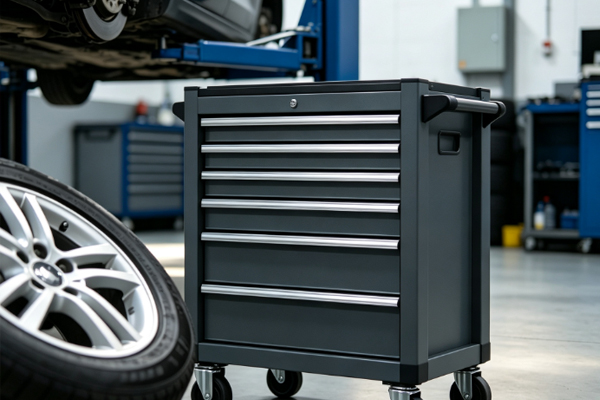
Choose Capacity Based on Storage Needs
Automotive repair involves a wide range of tools, and toolbox capacity directly affects daily user experience.
Large-Capacity Tool Boxes for General Repair
General repair positions usually require storing more types of tools.
- Multi-drawer design: Allows categorized storage of wrenches, sockets, pliers, and other commonly used tools, making them easier to find.
- Independent storage for power tools: Drills, impact wrenches, and other equipment have dedicated spaces, keeping the interior organized.
- Reserved expansion space: New tools can be added later without frequently replacing the toolbox.
Sufficient capacity can meet the long-term needs of general repair work.
Medium Tool Boxes for Specialized Repair
Some repair positions use a more concentrated range of tools.
- Centralized storage of commonly used tools: Improves efficiency during repair operations.
- Smaller footprint: More suitable for workshops with limited workspace.
- Greater mobility: Adapts better to different working areas.
A reasonable capacity choice can improve overall tool management efficiency.
Focus on Mobility Performance
Repair workshops require frequent movement between workstations, making mobility an important factor for tool boxes.
High-Quality Casters for Smoother Movement
Caster quality directly affects daily user experience.
- Wear-resistant casters: Suitable for high-frequency use environments, maintaining smooth movement over time.
- Swivel design: Allows more flexible movement in narrow spaces.
- Stable load capacity: Ensures smooth movement even when fully loaded with tools.
Good caster design reduces handling effort and improves work efficiency.
Ergonomic Handle Design for Better Comfort
Ergonomic design improves mobility experience by providing a more secure grip, making it easier and more natural to push the tool box. It also reduces physical effort during movement, lowering labor intensity during long-term use. In addition, it adapts to different routes, allowing flexible movement between workstations. A well-designed mobility system helps ensure smoother repair operations.
Internal Structure Affects Management Efficiency
A well-designed storage layout helps technicians quickly locate the tools they need.
Clear Drawer Zoning
Proper zoning reduces tool mixing and confusion.
- Hand tool classification: Wrenches, screwdrivers, and other tools are stored separately for faster access.
- Diagnostic equipment zoning: Multimeters, diagnostic scanners, and similar devices have fixed storage areas.
- Small parts organization: Screws, clips, connectors, and other components are stored in compartments to keep them organized.
Clear categorization improves overall repair workflow efficiency.
Improved Safety Design
Long-term use of tool boxes requires a stable and reliable structure.
- Drawer locking system: Prevents drawers from sliding open during movement.
- Anti-slip top surface: Convenient for temporarily placing commonly used tools.
- Reinforced box structure: Maintains stability even under full load, improving safety.
A well-designed structure meets the demands of long-term, high-frequency use in repair workshops.
Choose Materials Suitable for the Repair Environment
Tool boxes are used in complex environments, and material quality determines durability.
High-Strength Steel Tool Boxes
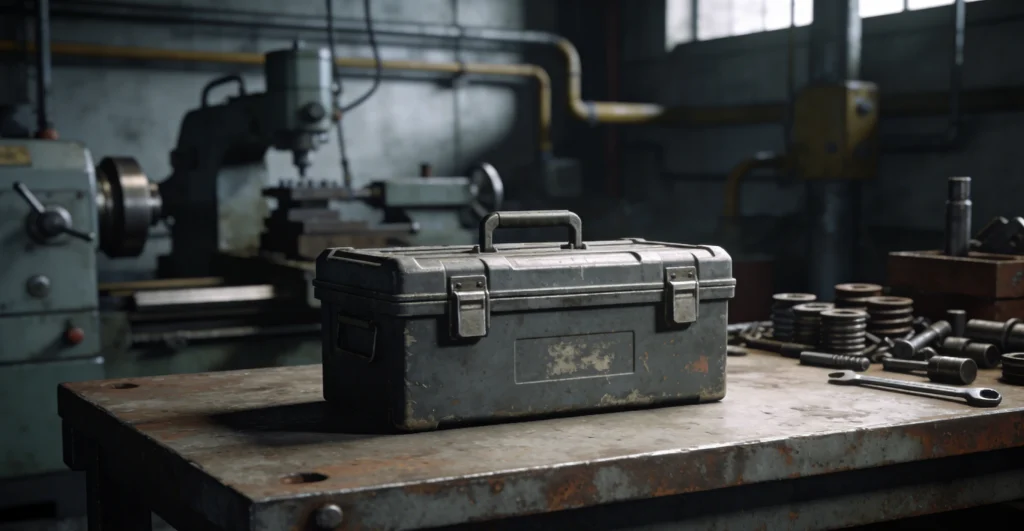
Steel structures are suitable for professional repair workshops, offering high load-bearing capacity for heavy tools. They also provide excellent impact resistance and wear resistance, making them ideal for long-term high-intensity use. In addition, their structural stability allows them to withstand frequent movement and heavy loads. Even in environments with oil and dust, they maintain a long service life.
More Durable Surface Protection
Surface treatment affects service life and maintenance costs.
- Anti-corrosion coating: Suitable for oil- and dust-heavy environments.
- Scratch-resistant finish: Maintains a good appearance over long-term use.
- Easy-to-clean surface: Simplifies daily maintenance.
High-quality surface treatment extends the overall lifespan of the tool box.
When selecting a rolling tool box for an automotive repair workshop, it is important to consider tool quantity, repair type, mobility needs, and working environment. A well-designed capacity layout, smooth caster system, clear drawer organization, and durable materials can significantly improve tool management efficiency and repair workflow experience. High-quality rolling tool boxes not only help technicians organize and access tools quickly but also enhance overall workshop management. SIPHIA BOX focuses on professional tool storage solutions, providing high-quality rolling tool boxes for automotive repair, industrial maintenance, and engineering construction industries, helping create efficient and well-organized working environments.