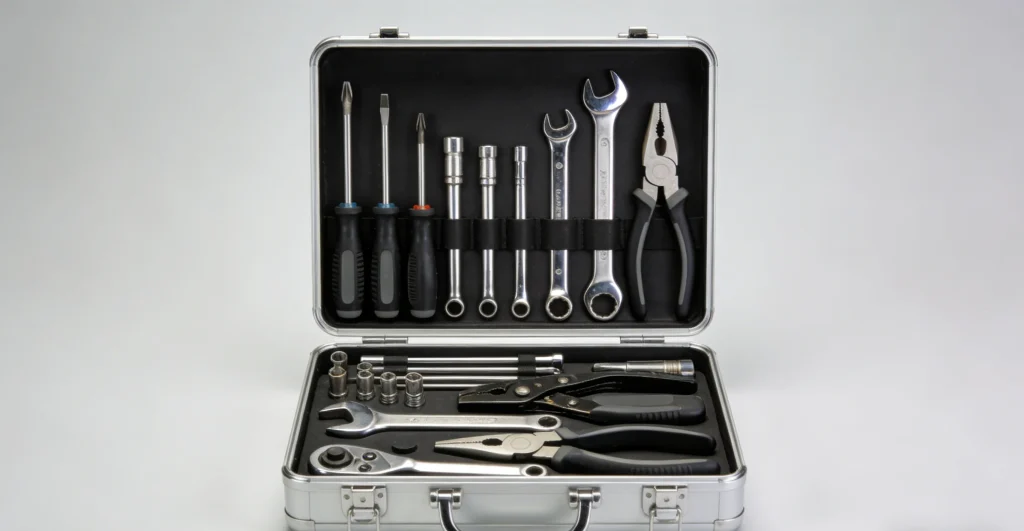
An instrument case is not only designed for storage but also plays an important role in protecting musical instruments from damage. During transportation, carrying, and long-term storage, instruments may be affected by vibration, impact, friction, and environmental changes. To improve protection performance, many high-quality instrument cases are equipped with foam padding inside. Although internal foam may appear to be a simple filling material, it actually plays an important role in absorbing shocks, securing the instrument position, protecting the surface, and improving overall usability. A well-designed foam structure allows instrument cases to provide stronger protection, helping guitars, violins, saxophones, and other musical instruments remain safe and stable in different environments.
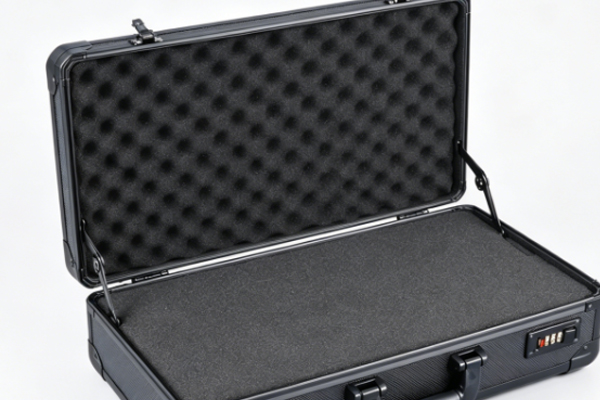
Internal Foam Provides Effective Shock Absorption
During transportation, musical instruments may experience various types of vibration, such as accidental bumps during handling, road vibration during vehicle transportation, or movement during daily carrying. If the instrument directly contacts the hard interior of the case, external impacts may cause scratches, dents, or even structural damage. Internal foam padding absorbs part of the impact force through its elasticity, reducing vibration transfer and protecting the instrument from sudden shocks.
Different foam materials provide different levels of cushioning performance. High-density foam generally offers stronger support, maintains its shape under pressure, and provides long-term protection. Softer foam materials can better adapt to the instrument surface, reducing friction and preventing unnecessary damage. Through the combination of different foam densities, the interior of an instrument case can create a more complete protective layer, providing reliable support during transportation and storage.
Foam Padding Improves Instrument Stability Inside the Case
In addition to absorbing impacts, internal foam also plays an important role in keeping the instrument securely positioned. If there is excessive space inside the case, the instrument may move during transportation and collide with the case walls. Customized foam padding helps create a fitted interior space based on the shape of different instruments, keeping them stable and reducing unnecessary movement.
Common foam fixing designs include:
- Custom-shaped foam compartments: Designed according to the instrument shape to provide a precise fit.
- Multi-layer foam support structures: Offer support from the bottom and sides while reducing movement space.
- Flexible wrapping designs: Allow the instrument to remain securely surrounded by protective materials.
- Reinforced protection zones: Provide additional support for sensitive areas such as necks, bridges, and keys.
A properly designed foam structure creates a stable internal environment. Even during long-distance transportation, it helps reduce shifting and improves overall safety. For professional musicians and users who frequently travel with instruments, this type of fixing system provides greater protection and convenience.
Foam Linings Protect the Appearance of Musical Instruments
Many musical instruments feature carefully finished surfaces, including polished coatings, natural wood textures, and delicate metal components. Direct contact with hard materials may cause scratches or surface wear over time. Soft foam linings inside instrument cases create a protective barrier between the instrument and the case structure, reducing direct contact and preventing unnecessary damage.
High-quality foam materials usually have a smooth texture and excellent cushioning properties. When combined with velvet or fabric linings, they create a gentler storage environment for instruments. For collectible instruments and valuable performance equipment, carefully designed foam interiors help preserve appearance quality while maintaining long-term storage protection.
Different Foam Materials Meet Different Instrument Protection Requirements
Different types of instruments require different levels of support and cushioning. For this reason, instrument case manufacturers often select specific foam materials and structures according to the intended application. Proper material combinations improve protection while meeting the needs of different users.
Common foam material options include:
- EVA foam: Provides excellent elasticity and compression resistance, making it suitable for long-term support inside instrument cases.
- High-density foam: Offers strong structural stability and effective shock absorption for demanding transportation conditions.
- Soft PU foam: Provides a comfortable surface and helps reduce friction against instrument finishes.
- Custom-cut foam: Manufactured according to instrument dimensions for improved fitting and stability.
- Choosing suitable foam materials allows instrument cases to achieve a better balance between shock protection, support, and user comfort.
Different combinations can meet the requirements of daily practice, professional performances, transportation, and long-term storage.
Premium Foam Design Enhances the Overall Value of Instrument Cases
Although internal foam is hidden inside the case, it directly affects the protective performance and user experience of the product. High-quality foam must provide excellent cushioning while also offering durability, pressure resistance, and long-term stability. A well-designed foam structure can maintain reliable support even after extended use without easily collapsing or losing its shape.
For instrument retailers, music schools, professional musicians, and collectors, choosing an instrument case with superior internal foam design can reduce risks during transportation and storage. As demand for better instrument protection continues to increase, internal foam has become an important factor in evaluating instrument case quality. A carefully designed foam system transforms an instrument case from a simple storage product into an essential protective solution that helps safeguard instruments and extend their service life.