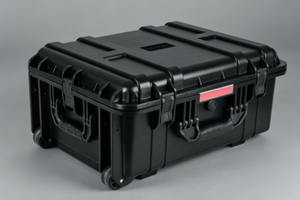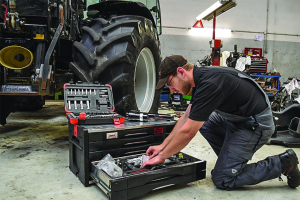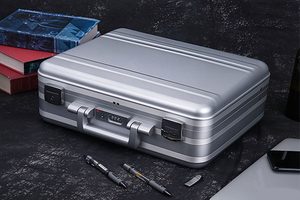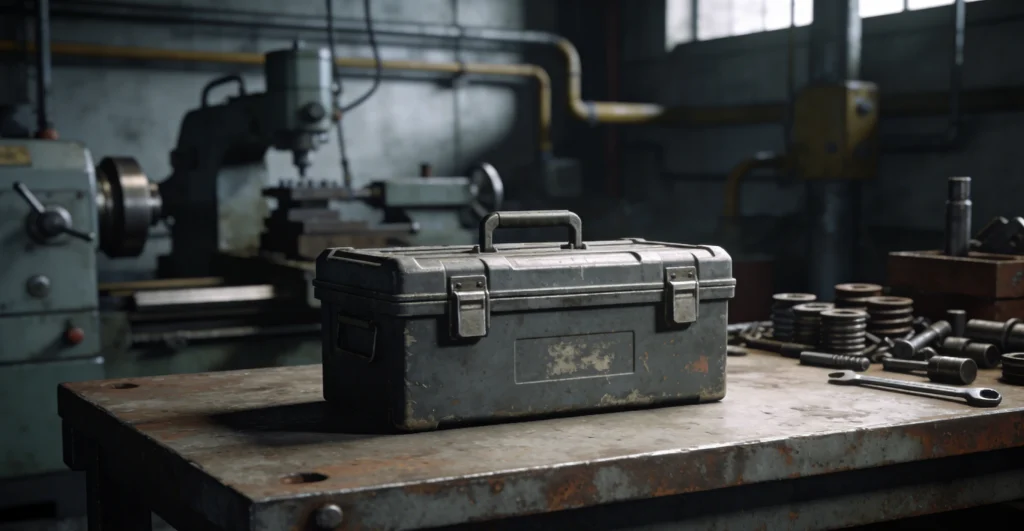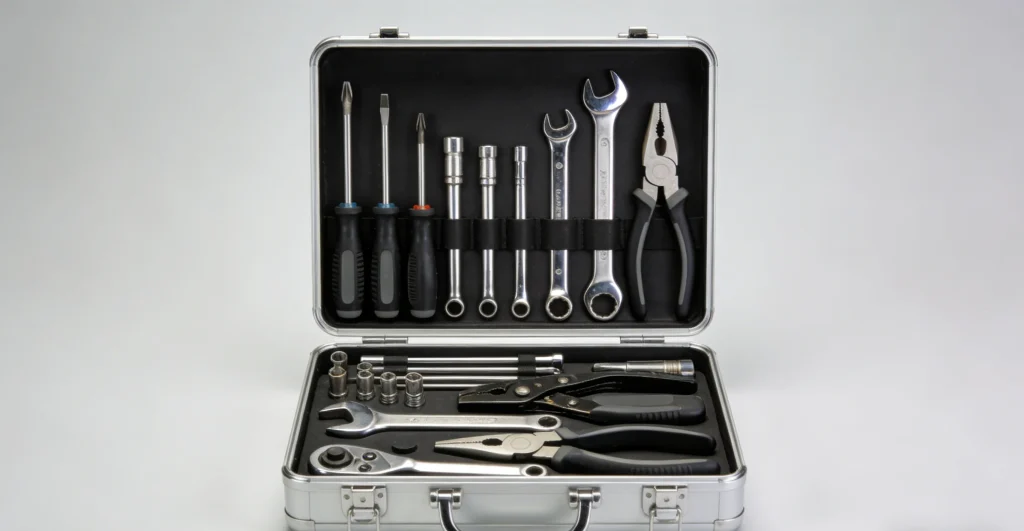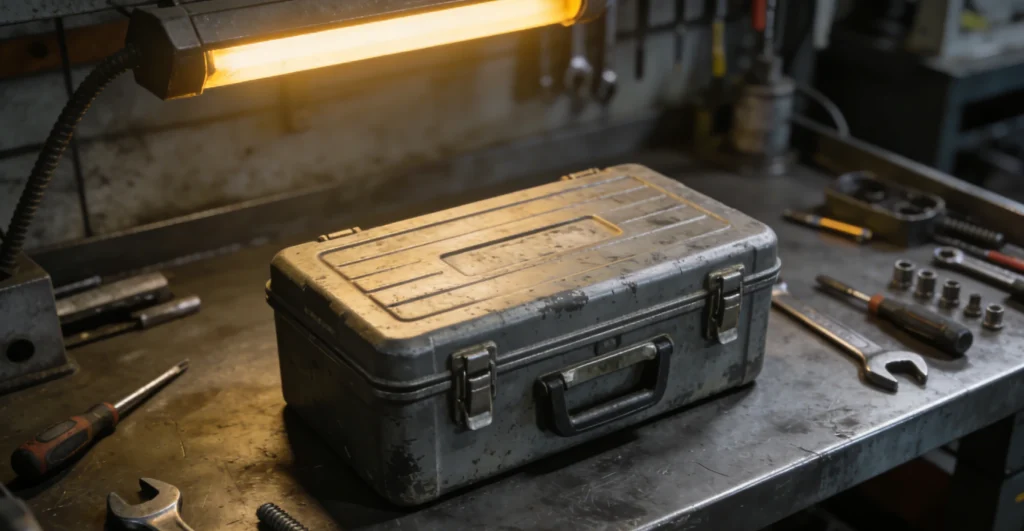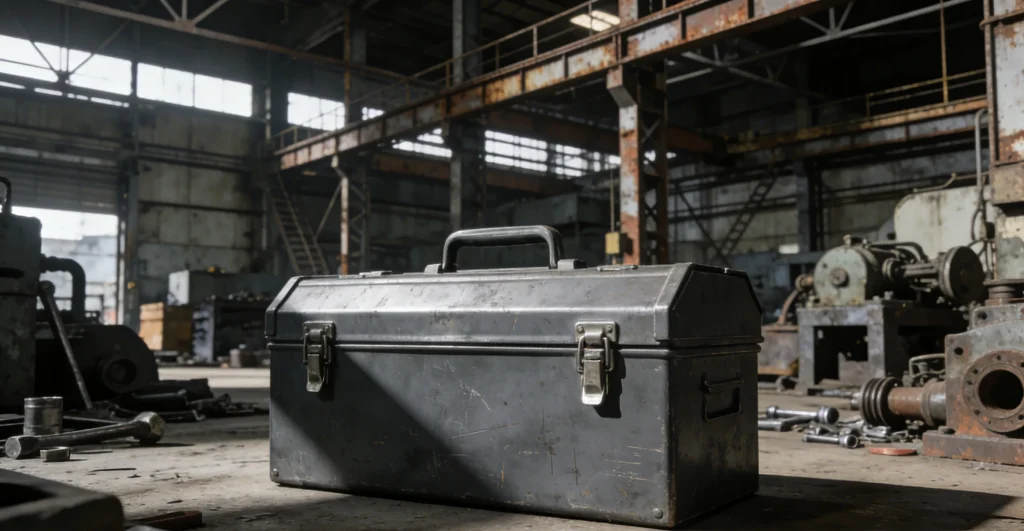
In automotive repair, equipment maintenance, and industrial field operations, the way tools are carried directly affects work efficiency and operational experience. Hand-carry toolboxes have a simple structure, but they often feel inconvenient during long-distance movement, heavy-load tool transport, and multi-scene switching. Rolling toolboxes, relying on bottom casters and layered storage structures, make tool movement and management more efficient, and have therefore gradually become a common choice for professional technicians. In work environments that require frequent location changes, “mobility efficiency” is often more important than capacity alone.
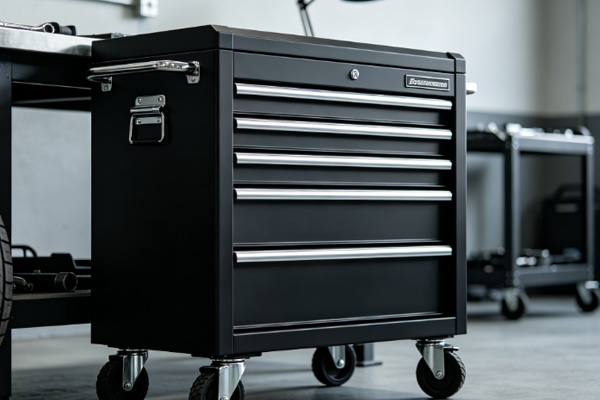
Upgraded Mobility for a More Comfortable User Experience
As tool weight increases, carrying by hand significantly increases physical effort, while rolling structures change the traditional transport method.
Casters Reduce Carrying Burden
Rolling toolboxes use bottom wheel systems to achieve a more labor-saving movement method.
- Easier long-distance movement: No need to continuously lift when moving between workshops, warehouses, or repair areas.
- Lighter handling of heavy tools: Reduced strain when transporting heavy equipment such as power tools and socket sets.
- More efficient single-person operation: No need for assistance to move tools.
Sliding mobility makes tool transport smoother.
Adaptation to Complex Work Environments
Repair sites vary greatly, requiring higher mobility performance from toolboxes.
- Compatible with multiple floor types: Works on concrete, epoxy flooring, or slightly uneven surfaces.
- Reduces repeated lifting actions: Pushing replaces frequent lifting and setting down.
- Improves on-site mobility: Tools can be quickly repositioned according to work needs.
Optimized mobility creates a more continuous workflow.
Capacity and Structural Design Better Suited for Professional Tools
Rolling toolboxes generally offer stronger load capacity and more reasonable compartmentalized design.
Multi-Layer Structure Improves Storage Efficiency
Compared with hand-carry toolboxes, rolling models have better space utilization.
- Layered drawer design: Tools are stored by category and frequency of use.
- Large-capacity main compartment: Suitable for power tools and large equipment.
- Independent storage for small parts: Screws, bits, and accessories are kept organized.
Structural optimization makes tool management clearer and more orderly.
Higher Load Capacity for Heavy Tools
As tool quantity increases, structural load-bearing becomes critical.
- Metal frame enhances stability: Suitable for high-frequency use environments.
- Compression-resistant structure reduces deformation risk: Maintains stability under long-term heavy loads.
- More balanced weight distribution: Reduces localized stress concentration.
Stronger structure ensures more reliable storage.
Significant Improvement in On-Site Operational Efficiency
Tool access speed and mobility directly affect maintenance progress.
Faster Access Reduces Operation Time
Rolling toolboxes are designed to improve efficient access. Drawer structures make tool locations clear and intuitive, allowing commonly used tools to be centrally managed and reducing search time. A top temporary work surface also provides a convenient area for placing and using tools, making the overall workflow smoother.
Tools Move Synchronously with Work Locations
Maintenance work often requires switching between multiple areas.
- Tools move with the workstation: Reduces back-and-forth retrieval.
- Enhances continuous operation: Lowers interruption frequency.
- Supports team collaboration: Tools can be centrally allocated.
Mobility and workflow become more closely integrated.
Improved Safety and Tool Protection
Tools are easily affected by vibration and impact during movement, making structural stability especially important.
Rolling Structure Reduces Accidental Damage
Stable design keeps tools safer during movement.
- Shock-absorbing casters reduce impact: Minimizes vibration effects.
- Locking system enhances stability: Prevents unwanted movement when stationary.
- Internal compartments secure tools: Prevents collisions between tools.
Tool protection becomes more comprehensive.
Better Suited for Long-Term High-Frequency Use
Industrial and maintenance environments require high durability. Wear-resistant shells better adapt to complex conditions and extend service life, while reinforced structures improve overall reliability for long-term heavy-duty use. Stable design also helps reduce maintenance costs and the need for frequent replacement, further increasing overall value.
Rolling toolboxes transform tool management from a “carrying burden” into a “smooth workflow” through optimized mobility, upgraded storage structure, and stronger load-bearing and protection capabilities. For users who pursue professional tool management, choosing the right toolbox structure can directly impact work experience. SIPHIA BOX focuses on efficient tool storage and mobility solutions, providing more stable and convenient tool management for maintenance and industrial users through well-designed structural systems.