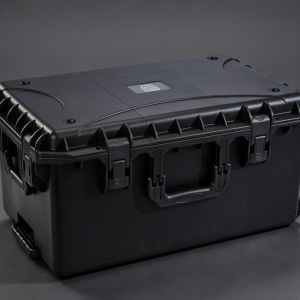
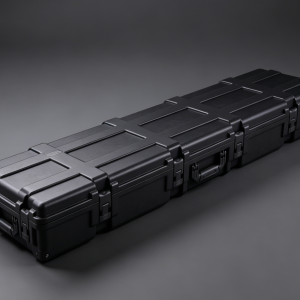
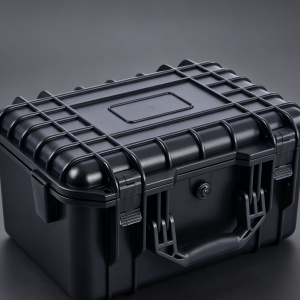
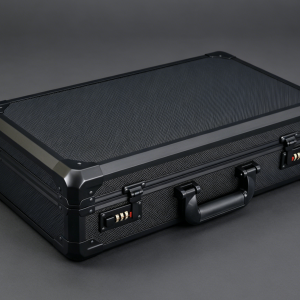
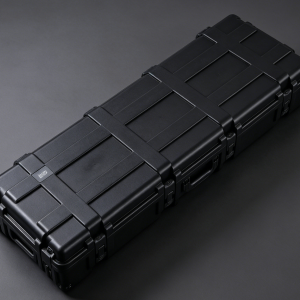
Metal tool boxes are widely used in workshops, automotive repair facilities, industrial maintenance, and outdoor work environments. During daily use, their surfaces may develop scratches caused by friction, tool impacts, transportation, or contact with other metal objects. These scratches can affect the box’s appearance and, in some cases, damage its protective coating and increase the risk of corrosion.
Knowing how to repair scratches on a metal tool box helps maintain its appearance, extend its service life, and protect the underlying material. The appropriate method depends on the metal type, surface finish, and depth of the damage.
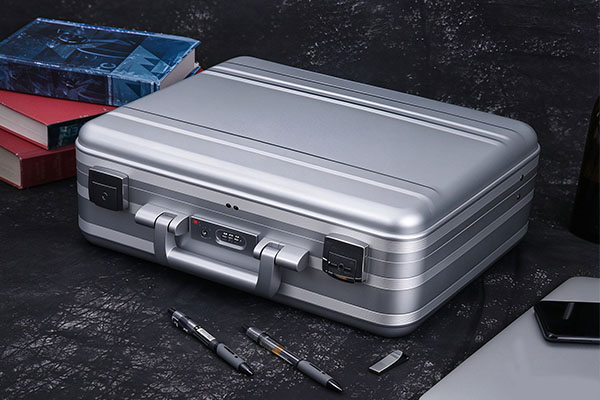
Why Do Metal Tool Boxes Get Scratched?
Friction and Tool Contact
Tools moving inside a box can rub against the inner walls, while repeated opening, closing, and handling may cause scratches on the exterior. Metal tools, sharp edges, and abrasive particles are common sources of surface damage.
Transportation and Impact
Metal tool boxes are frequently transported between workshops, construction sites, and service vehicles. Contact with other equipment, rough surfaces, or vehicle storage compartments can leave visible scratches and scuff marks.
Damage to the Protective Coating
Many metal tool boxes use powder coating, paint, anodizing, or other surface treatments to improve appearance and corrosion resistance. If the coating is scratched, the exposed metal may become more vulnerable to moisture and environmental contaminants, particularly when the box is used outdoors.
How to Repair Scratches on Metal Tool Boxes
Clean the Surface Before Repair
Before repairing a scratch, remove dust, grease, and loose particles with a soft cloth and a suitable cleaner. Allow the surface to dry completely before assessing the damage.
Avoid using aggressive solvents or abrasive cleaning pads that may damage the surrounding coating. Always check the cleaner’s compatibility with the metal and its surface finish.
Repair Minor Surface Scratches
For light scuff marks that have not penetrated the protective coating, gentle cleaning may be sufficient. Use a soft microfiber cloth and a surface-appropriate cleaning product to remove residue.
For painted or powder-coated tool boxes, a compatible touch-up paint may help conceal small scratches. Apply it according to the manufacturer’s instructions, keeping the repaired area clean and dry while the coating cures.
Treat Deeper Scratches and Exposed Metal
If a scratch penetrates the coating and exposes the underlying metal, the damaged area may require additional protection.
For compatible painted steel surfaces, lightly prepare the affected area using an appropriate method, remove any loose coating, and apply a suitable metal primer before the matching topcoat when required. Follow the coating manufacturer’s recommendations for surface preparation, drying time, and application conditions.
For aluminum tool boxes, select repair products specifically compatible with aluminum and the existing finish. Anodized surfaces require particular care because aggressive sanding can permanently alter the appearance and protective oxide layer.
If the scratch is accompanied by a dent, cracked joint, or structural deformation, cosmetic repair alone may not be sufficient. Professional assessment may be necessary.
How to Prevent Scratches on Metal Tool Boxes
Use Protective Liners and Tool Organizers
Foam inserts, rubber mats, and compartment dividers can prevent tools from sliding around inside the box. Keeping tools separated also reduces friction, noise, and damage to both the contents and interior surfaces.
Choose a Suitable Surface Finish
Different surface treatments provide different levels of wear resistance and corrosion protection. Powder coating can provide a durable decorative layer, while anodizing is commonly used on aluminum to improve surface hardness and corrosion resistance. The actual performance depends on the coating quality, treatment specifications, and operating environment.
When selecting a metal tool box, consider whether it will be used indoors, outdoors, or in environments with frequent exposure to moisture, dust, and chemicals.
Improve Storage and Transportation Practices
Avoid stacking heavy equipment directly against painted surfaces. Use protective padding between the tool box and other metal objects during transportation. For vehicle-mounted tool boxes, secure the box properly to minimize movement and repeated impacts.
Regular cleaning also helps remove abrasive particles that could scratch the surface during handling.
How to Choose a Scratch-Resistant Metal Tool Box
When purchasing a metal tool box, consider more than its appearance. Material selection, panel thickness, surface treatment, corner protection, and manufacturing quality all influence long-term durability.
SIPHIA BOX focuses on metal tool box solutions designed around practical storage requirements and product durability. For workshops, industrial maintenance, and transportation applications, buyers should evaluate the expected working conditions, frequency of handling, corrosion exposure, and required storage capacity when selecting a suitable product.
For customized projects, discussing the intended application and surface finish requirements with the manufacturer can help identify an appropriate combination of materials, coatings, and structural features.
Conclusion
Scratches on metal tool boxes are common, but the right repair method can help maintain their appearance and protective performance. Minor marks may only require cleaning, while deeper scratches that expose bare metal may need compatible primers and touch-up coatings. Anodized aluminum and damaged structural components require additional care.
Using protective liners, selecting an appropriate surface finish, and improving storage and transportation practices can reduce future damage. With suitable maintenance and a well-designed metal tool box, users can protect their equipment and extend the service life of their storage solutions.