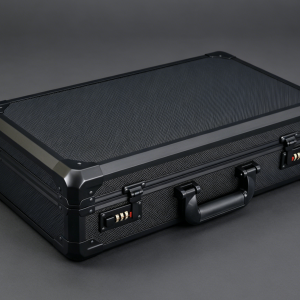
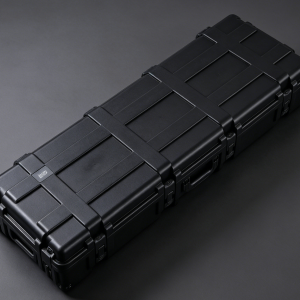
Aluminum tool boxes are widely used in automotive repair, industrial maintenance, outdoor work, and precision equipment storage because they are lightweight, corrosion-resistant, and easy to carry. However, some buyers worry about whether aluminum tool boxes are prone to deformation. Can long-term storage of heavy tools or frequent transportation cause dents, bottom panel sagging, or structural damage?In practice, aluminum tool boxes are not inherently prone to deformation, but they are not completely deformation-proof either. Their resistance to deformation depends on aluminum sheet thickness, alloy properties, structural design, manufacturing processes, and actual operating conditions. Choosing a product with a well-designed structure and an appropriate load capacity can significantly reduce the risk of deformation.
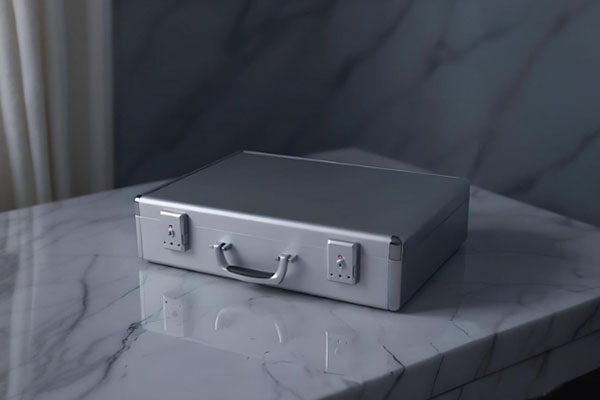
Why Do Aluminum Tool Boxes Deform?
Aluminum Sheet Thickness Affects Deformation Resistance
Aluminum alloys offer a good strength-to-weight ratio, but sheet thickness still affects the rigidity and load-bearing performance of a tool box. If the aluminum sheet is too thin, sustained pressure, concentrated heavy loads, or external impacts may cause dents or bending of the bottom panel.
For portable tool boxes used to store lightweight items such as screwdrivers and wrenches, a lightweight design may be sufficient. However, if the box needs to hold power tools, socket sets, or other heavy mechanical accessories, buyers should pay particular attention to the bottom panel thickness and overall load-bearing structure.
Structural Design Determines How Loads Are Distributed
The durability of an aluminum tool box depends not only on the material but also on its structural design. Large panels without sufficient support are more likely to bend when subjected to concentrated loads.
Reinforcing ribs, reinforced bottom panels, aluminum profile frames, and strengthened corners can distribute localized pressure and improve overall stability. For tool boxes that are frequently transported or mounted on vehicles, the strength of frame joints and mounting brackets is equally important.
Overloading Increases the Risk of Deformation
Even an aluminum tool box made from quality materials may develop a sagging bottom, a distorted body, or loose connections if it is repeatedly loaded beyond its designed capacity.
Placing heavy items, such as jacks or large power tools, in one small area of the bottom panel increases localized stress. Continuous vibration and impact during transportation can also accelerate damage to structurally weak areas.
How to Evaluate the Deformation Resistance of an Aluminum Tool Box
Check the Material and Sheet Thickness
When choosing an aluminum tool box, select an appropriate sheet thickness based on the weight of the tools and the frequency of use. Thicker sheets generally help improve bending resistance, but thicker is not always better. For portable applications, overall weight and ease of handling must also be considered.
Inspect the Bottom Panel, Corners, and Frame
The bottom panel supports the weight of the tools, while the corners are particularly vulnerable to impact. Well-designed aluminum tool boxes often incorporate bottom supports, reinforced corners, and sturdy frames according to their intended applications.
Before purchasing, check whether the seams are even, the frame is secure, and the handles, hinges, and locks are firmly attached. These details can significantly affect structural stability during long-term use.
Consider Manufacturing Quality and Load Requirements
Manufacturing processes such as bending, riveting, and welding affect structural strength and joint reliability. For industrial applications, buyers should look beyond appearance and material labels to understand the rated load capacity, dimensions, and suitable operating environments.
How to Prevent Aluminum Tool Boxes from Deforming
Distribute Tool Weight Evenly
Place heavier tools evenly inside the box instead of concentrating all the weight in one area of the bottom panel. Dividers, tool trays, and custom inserts can reduce tool movement and collisions, helping minimize impact during transportation.
Avoid Long-Term Overloading
A large internal storage space does not mean that a tool box can carry unlimited weight. Follow the manufacturer’s load recommendations and regularly inspect the bottom panel, handles, and connection points for signs of damage.
Inspect the Structure Regularly
For aluminum tool boxes that are frequently moved, inspect the bottom panel for sagging, the corners for dents, screws for looseness, and the lid and locks for proper operation. If deformation affects closure, load-bearing performance, or mounting stability, stop using the box for heavy loads and arrange repairs when necessary.
How to Choose a Durable Aluminum Tool Box
Different applications require different tool box features. Home maintenance and everyday transportation prioritize portability. Industrial maintenance requires a balance of load-bearing capacity and structural strength. Vehicle-mounted tool boxes must also withstand road vibration, outdoor conditions, and installation-related stresses.
SIPHIA BOX focuses on material selection, structural design, and practical application requirements for metal tool boxes. When purchasing or customizing an aluminum tool box, buyers should consider the tool inventory, total load, box dimensions, and operating environment to determine suitable sheet specifications, frame designs, bottom supports, and hardware configurations.
Frequently Asked Questions
Are Aluminum Tool Boxes More Prone to Deformation Than Steel Tool Boxes?
Not necessarily. Steel generally offers greater rigidity in many comparable designs, but it is also heavier. Aluminum provides advantages in weight reduction and corrosion resistance. Actual deformation resistance depends on material specifications, structural design, and manufacturing quality rather than material type alone.
Can an Aluminum Tool Box Still Be Used if Its Bottom Panel Is Dented?
Minor surface dents do not necessarily affect normal use. However, if the bottom panel sags significantly, joints crack, or the box cannot close properly, its structural integrity should be inspected. Repairs or replacement may be necessary.
Is a Thicker Aluminum Tool Box Always More Durable?
Not always. Sheet thickness is an important factor, but the frame, reinforcing ribs, joint quality, and load-bearing design are equally relevant. Matching material thickness to actual application requirements helps balance strength, weight, and cost.
Conclusion
Aluminum tool boxes can provide good durability under normal operating conditions. However, thin panels, insufficient structural support, and repeated overloading can still lead to deformation. When selecting a tool box, evaluate sheet thickness, frame design, bottom reinforcement, and manufacturing quality, and make sure the product meets your actual load requirements.
For users seeking lightweight construction, corrosion resistance, and reliable tool storage, a well-designed aluminum tool box is a practical option. Choosing the right specifications and following proper loading practices can help extend its service life and maintain its structural stability.