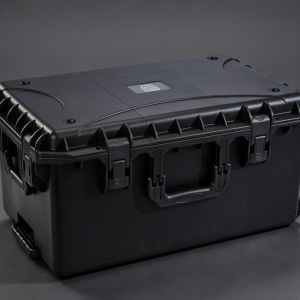
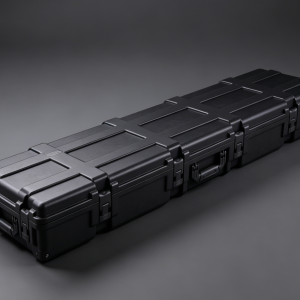
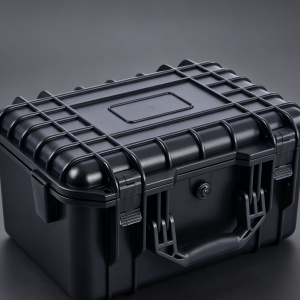
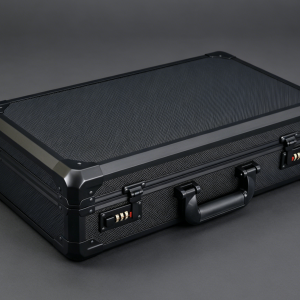
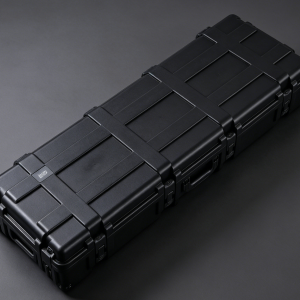
Metal toolboxes are widely used in automotive repair, industrial manufacturing, construction, and equipment maintenance. They provide storage for wrenches, power drills, socket sets, and other professional tools. For users who need to store heavy tools over extended periods, load capacity is an important factor when selecting a metal toolbox. However, load-bearing performance depends on more than sheet metal thickness. Material type, structural design, joining methods, bottom support, and load distribution all play important roles. Understanding these factors helps buyers choose safer and more durable tool storage solutions.
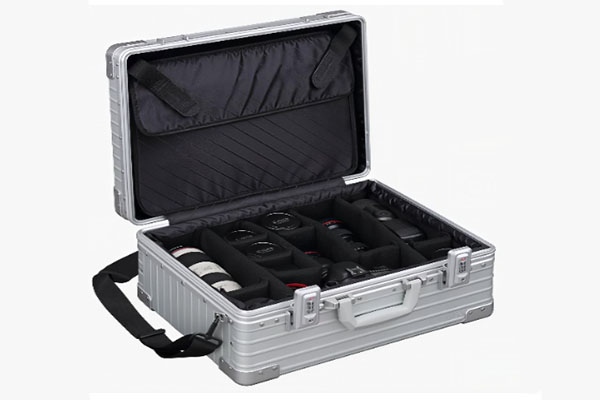
Metal Materials Determine Basic Load-Bearing Performance
Strength Differences Between Metal Materials
Common materials used in metal toolboxes include cold-rolled steel, stainless steel, and aluminum alloy. Cold-rolled steel offers good rigidity and load-bearing performance, making it suitable for storing heavy repair tools and industrial components. Stainless steel combines structural strength with corrosion resistance, making it useful in environments where rust prevention is important. Aluminum alloy is lightweight and easy to transport, but its load capacity depends on the alloy grade, sheet thickness, and structural design.
When selecting a material, buyers should consider the expected load, frequency of use, and working environment rather than comparing metal types alone.
How Sheet Metal Thickness Affects Deformation Resistance
When the material and structural design are similar, increasing sheet metal thickness appropriately generally improves rigidity and resistance to deformation. If the bottom panel is too thin, it may bend under concentrated loads from heavy tools. Side panels with insufficient rigidity may also deform during handling or impact.
However, simply increasing sheet thickness adds weight and manufacturing costs. An effective design balances load capacity, portability, and production cost.
Box Structure Influences Overall Load Capacity
Bottom Panel Design and Support
The bottom panel is one of the most important components supporting the weight of stored tools. Its actual load-bearing performance depends on sheet thickness, unsupported span, and support placement. Reinforcing ribs, folded edges, and bottom support structures can increase rigidity and reduce the risk of sagging under prolonged loads.
For large toolboxes and mobile tool cabinets, the layout of the bottom frame and support points is equally important. Properly distributed supports help the entire structure carry loads more evenly.
Folded Structures and Corner Reinforcement
Properly folded sheet metal can create rigid edges and frame-like structures. Compared with unsupported flat panels, optimized folded designs generally provide better resistance to bending and localized deformation.
Corners, openings, and connection points are also areas where stress may concentrate. Adding appropriate reinforcement and optimizing edge connections can improve the overall stability of a metal toolbox.
Connection Methods Determine Structural Stability
Welding, Riveting, and Fastener Quality
Metal toolboxes typically use welding, riveting, or bolted connections to form a complete structure. If the joints are not sufficiently strong, the toolbox may loosen or crack under prolonged loading and frequent handling, even when the metal panels themselves are relatively thick.
When evaluating a product, check whether welds are consistent, riveted joints are secure, and bolts and other fasteners are firmly installed. For heavy-duty toolboxes, the strength of the connections must match the intended load capacity.
Load Limits of Hinges, Drawer Slides, and Casters
For toolboxes with lids, hinge and latch reliability is important. Tool cabinets with drawers require particular attention to the rated load capacity of their drawer slides. Mobile tool cabinets must also be evaluated based on the load ratings of their casters, axles, and bottom frames.
These components may become the limiting factors for the entire product. Therefore, overall load capacity should never be judged by the toolbox material alone.
Load Distribution and Usage Also Matter
Even if a metal toolbox has a high rated load capacity, improper loading can increase the risk of localized deformation. Placing all heavy tools in one corner creates greater pressure on that area. Distributing heavier tools evenly across the bottom and avoiding overloading help maintain structural stability.
For tool cabinets with drawers, follow the manufacturer’s load limits for each drawer. Avoid extending multiple heavily loaded drawers simultaneously, as this may shift the center of gravity. When moving a mobile tool cabinet, avoid large steps and uneven surfaces whenever possible to reduce impact loads.
How to Evaluate the Actual Load Capacity of a Metal Toolbox
When purchasing a metal toolbox, check the load capacity specified by the manufacturer and confirm whether it refers to the overall static load, the capacity of an individual drawer, or the load limit during movement. These specifications are not interchangeable.
SIPHIA BOX specializes in toolboxes and related storage products, offering tool storage solutions for repair operations, workshops, and industrial applications. During procurement, buyers should compare material specifications, sheet thickness, bottom support, connection quality, and hardware load ratings rather than judging performance solely by appearance or product weight.
Appropriate material selection and structural design help metal toolboxes meet load requirements while maintaining safety, durability, and everyday usability.