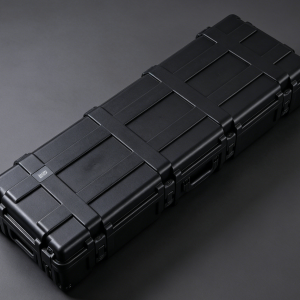
The structural design of a plastic toolbox determines its storage capacity, usability, load-bearing performance, and tool protection. As portable tool storage becomes increasingly important for automotive repair, electrical installation, mechanical maintenance, home DIY, and outdoor construction, plastic toolboxes have evolved from simple single-compartment boxes into products with multi-level trays, drawers, compartments, adjustable dividers, sealed lids, and wheeled mobility systems. Materials such as PP, ABS, and HDPE have good molding characteristics and can be processed through injection molding to create reinforcing ribs, hinge mounts, latch positions, handle connections, and internal support structures. These designs allow the toolbox to maintain relatively low weight while achieving suitable structural stability. A well-designed plastic toolbox can also reduce collisions and friction between tools, keeping different wrenches, screwdrivers, pliers, sockets, power tool accessories, and small components organized. For toolbox buyers, understanding the body structure, opening mechanism, internal layout, and mobility system makes it easier to select a product that matches actual working requirements.
Body Structure and Reinforcement Design
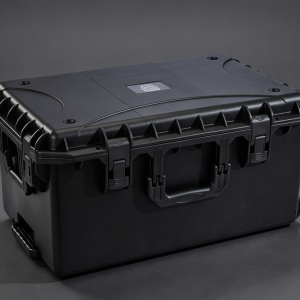
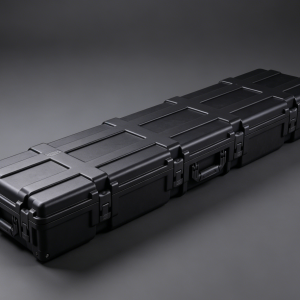
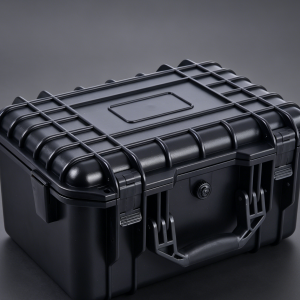
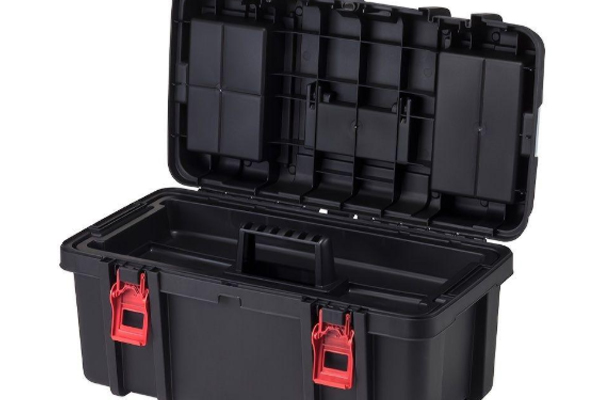
Plastic toolboxes generally use a molded body structure, with the lid connected to the main body through hinges and secured by front latches. To prevent excessive deformation when the box is loaded with numerous tools, reinforcing ribs are commonly incorporated into areas subject to greater stress. Reinforced bottom structures can improve load-bearing stability, side ribs can increase body rigidity, and strengthened corners can improve resistance to everyday impacts. The handle connection is another important load-bearing area. Thickened sections or internal support structures can help reduce local deformation caused by repeated carrying. Some large-capacity toolboxes also include support feet on the bottom to improve stability when placed on the floor or a workbench. Lids can feature flat, raised, or reinforced designs depending on the intended application and required structural strength. Through proper coordination between body thickness and reinforcing structures, plastic toolboxes can maintain suitable rigidity while controlling material consumption. For users who frequently carry heavy hand tools, particular attention should be paid to the bottom support structure and handle connection strength.
Internal Space and Tool Organization Design
The internal space of a plastic toolbox is often more than a completely open compartment. Trays, compartments, storage slots, and removable dividers can be added according to tool dimensions and frequency of use. Single-layer large-capacity designs provide continuous storage space for hammers, drills, large wrenches, and other bulky tools, making them easy to access. Multi-level trays create separate storage areas, allowing frequently used small tools to be placed in upper trays while larger equipment remains in the bottom compartment. When the lid is opened, users can quickly locate tools in different positions. Small components such as screws, nuts, washers, and electrical terminals can be stored in independent compartments to reduce mixing. Adjustable dividers allow users to change the size of individual storage areas according to their requirements. When tool sizes change, the internal configuration can be modified without replacing the entire toolbox. Some professional plastic toolboxes also use foam inserts, EVA positioning slots, and dedicated tool grooves to secure measuring instruments, electronic equipment, and precision maintenance tools. An efficient internal layout not only increases usable storage capacity but also allows technicians to organize tools according to frequency of use, reducing the time required to find equipment during repair work.
Lid, Latch, and Portable Structure Design
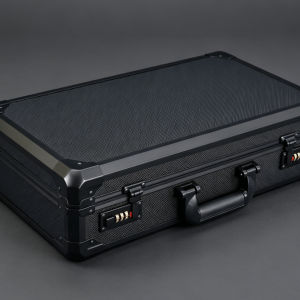
The lid and latch directly influence the closing performance and transportation security of a toolbox. Common plastic toolboxes use hinged lids that can be repeatedly opened and closed and secured with front latches. High-frequency applications require durable hinges and latch connections to reduce loosening caused by repeated operation. For products used outdoors or in humid environments, sealing grooves and gaskets can be added around the lid. Combined with compression-style latches, these components can create a more enclosed storage space. Portable features mainly include handles, shoulder strap attachment points, and wheel systems. Small toolboxes usually use a top-mounted handle and are suitable for short-distance transportation. Large-capacity models can use wider handles or telescopic handles to make fully loaded toolboxes easier to move. Some products also use dual-handle structures, allowing two people to carry heavier toolboxes together. Different portable configurations are designed for different loads and transportation distances, so users should consider the actual weight of the toolbox after it has been filled with tools.
Common Structural Configurations of Plastic Toolboxes
Different working environments require different tool organization methods. Plastic toolboxes are therefore available in various structural configurations based on capacity, tool types, and transportation requirements. Product designers typically combine the main body, internal storage components, and mobility systems to create solutions for household use, workshops, and engineering sites.
- Single-Layer Body Structure: Provides a continuous storage compartment for hammers, measuring tapes, drills, large wrenches, and other tools. It has a simple design and allows convenient access.
- Multi-Tray Structure: Uses upper and lower trays to create layered storage areas and is suitable for technicians who need to carry many hand tools simultaneously.
- Compartmentalized Storage Structure: Divides internal space into separate sections and is suitable for screws, nuts, electrical terminals, and other small components.
- Drawer-Style Structure: Uses independent drawers for organized storage and is suitable for workshops, repair benches, and long-term tool management.
- Wheeled Mobility Structure: Wheels installed at the bottom reduce the effort required to move large-capacity toolboxes across the floor and are suitable for construction and equipment maintenance.
- Sealed Protective Structure: A lid combined with a gasket and reliable latches can help reduce the entry of dust and moisture, making this design suitable for outdoor work and humid environments.
These structures can be used independently or combined within a single product. For example, a toolbox can combine multi-level trays with a large bottom compartment, or a compartmentalized toolbox can include a sealed lid to provide more specialized tool storage.
How Structural Design Should Match Actual Applications
The right plastic toolbox structure should be selected according to tool types, working locations, transportation frequency, and storage requirements. Household users who mainly store screwdrivers, hammers, wrenches, and measuring tapes can choose compact single-layer designs that are easy to access and do not occupy excessive storage space. Automotive technicians often carry socket sets, ratchets, wrenches, and power tool accessories, making multi-tray or large-capacity bottom compartments practical choices. Electrical workers frequently use wire strippers, crimping tools, multimeters, and various wiring accessories, so models with compartment boxes and dedicated tool slots can provide better organization. Industrial inspection technicians may need to carry testing instruments together with repair tools and can choose models with foam positioning structures to reduce equipment movement during transportation. Outdoor construction workers often need to move tools over longer distances and can benefit from models with wheels, telescopic handles, or reinforced carrying handles. For work areas with high humidity or significant dust exposure, sealed lids can provide more suitable storage conditions. Companies purchasing toolboxes in bulk can also configure different structures for different employee roles, ensuring that each type of worker receives a storage solution suited to their daily tasks. An effective plastic toolbox structure is not simply about adding more storage components. Instead, it coordinates body strength, internal organization, opening mechanisms, and mobility features so that tools remain better organized during transportation, storage, and use, ultimately improving efficiency in repair and installation work.