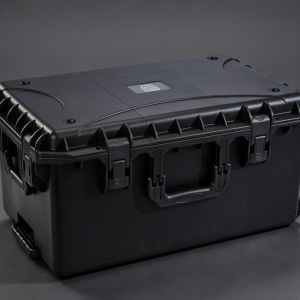
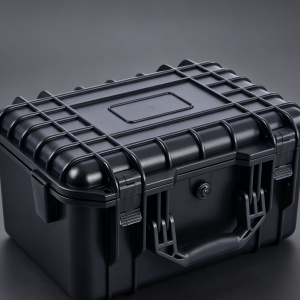
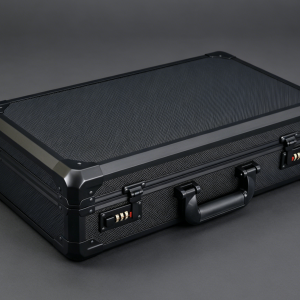
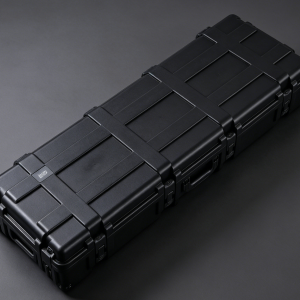
Agricultural machinery operates for long periods in fields, orchards, farms, and storage areas. Tractors, harvesters, seeders, rotary tillers, and crop protection equipment all require regular inspection and maintenance. Maintenance workers often need to carry wrenches, screwdrivers, sockets, pliers, measuring tools, bolts, washers, and other small spare parts. Without suitable storage, these tools can easily become scattered or lost, increasing the time required for field repairs. Plastic toolboxes are practical storage solutions for agricultural machinery maintenance because they are lightweight, impact-resistant, easy to clean, and available in a variety of storage configurations. Agricultural machinery repair toolboxes can also be selected according to equipment type, maintenance frequency, and transportation requirements, making routine servicing and emergency field repairs more convenient.
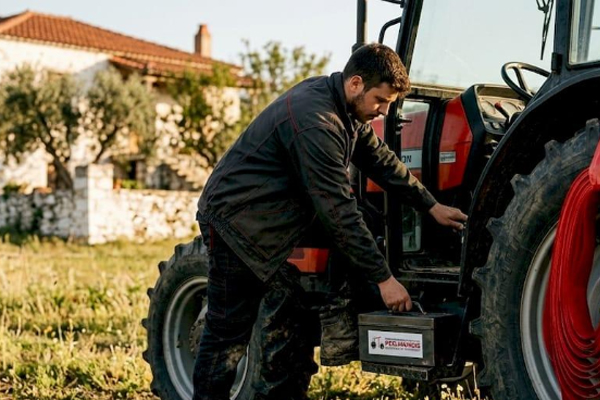
Why Agricultural Machinery Repair Requires Dedicated Toolboxes
Agricultural machinery is often repaired in environments that differ considerably from indoor workshops. Field conditions may involve soil, dust, moisture, water, oil, and continuous vibration. Tools placed directly beside machinery can easily become contaminated or damaged by impact. A plastic toolbox provides a dedicated storage space for wrenches, sockets, screwdrivers, pliers, hex keys, electrical tools, and small replacement parts, allowing maintenance workers to quickly locate the tools they need when equipment develops a problem.
For larger machines such as tractors and combine harvesters, large-capacity toolboxes can store commonly used maintenance tools together with spare fasteners and replacement components. Some plastic toolboxes are manufactured from materials such as polypropylene (PP), providing good impact resistance for frequent transportation and field use. When combined with handles, latches, and internal trays, these toolboxes are suitable for mobile agricultural machinery maintenance.
Practical Applications of Plastic Toolboxes in Agricultural Machinery Repair
Agricultural machinery has long operating cycles and frequently requires on-site maintenance. Plastic toolboxes can be configured according to different equipment and maintenance tasks. Common applications include:
- Tractor routine maintenance: Wrenches, sockets, screwdrivers, pliers, lubrication tools, and commonly used fasteners can be stored together for checking engine compartments, transmission components, tires, and connection points.
- Combine harvester maintenance: During harvest season, machinery may operate continuously for extended periods. Maintenance workers can carry belt adjustment tools, wrenches, sockets, snap-ring pliers, and spare bolts to handle loose components and adjustment tasks.
- Seeder and rotary tiller maintenance: These machines contain numerous connection points and moving components. Toolboxes can organize small wrenches, hex keys, nuts, washers, and other maintenance accessories.
- Crop protection equipment inspection: Sprayers and fertilizer applicators may involve pumps, pipelines, and electrical connections. Toolboxes can hold screwdrivers, adjustable wrenches, electrical tools, and inspection equipment.
- Emergency field repairs: When machinery suddenly breaks down, maintenance workers can take a pre-configured toolbox directly to the work site, reducing unnecessary trips to retrieve tools.
The value of an agricultural machinery repair toolbox is not limited to tool storage. It also allows maintenance teams to establish dedicated tool configurations for different machines, keeping frequently used equipment in easily accessible locations.
How Plastic Toolbox Design Can Improve Repair Efficiency
Agricultural machinery maintenance often requires tools to be moved repeatedly, making toolbox design an important consideration. Models with multi-level trays can separate commonly used screwdrivers, pliers, and wrenches, while the lower compartment can store larger sockets, maintenance accessories, and replacement parts. Some toolboxes also include individual compartments for bolts, nuts, washers, fuses, and other small components that can easily become mixed together.
Toolbox dimensions should also match the maintenance task. Compact plastic toolboxes are suitable for carrying basic tools, medium-sized models can meet the requirements of tractor and general agricultural machinery maintenance, while large-capacity toolboxes can accommodate specialized repair equipment. Proper internal organization helps prevent tools from pressing against each other and reduces the possibility of small parts becoming buried at the bottom of the box.
Protective Performance of Plastic Toolboxes in Outdoor Environments
Agricultural machinery repairs are frequently performed outdoors, where toolboxes may be exposed to dust, soil, mud, rain, oil, and changing temperatures. A toolbox with a secure lid and reliable closure can reduce the entry of external contaminants. Models with sealing features are particularly suitable for outdoor maintenance environments. Good protective performance helps keep tools relatively clean and can reduce the risk of metal tools developing rust after prolonged exposure to humid conditions.
Plastic materials also do not develop surface rust in the same way as conventional steel boxes, giving plastic toolboxes practical value in agricultural maintenance environments. When selecting an agricultural machinery repair toolbox, users should consider the box wall thickness, latch strength, hinge construction, handle connection points, and bottom load capacity.
For toolboxes installed on tractors, service vehicles, or agricultural transport equipment, the mounting method and resistance to long-term vibration should also be considered. Plastic toolboxes designed for agricultural and vehicle applications are available in different capacities and mounting configurations. Some models feature sealing strips, locks, and mounting brackets for external vehicle or machinery storage.
How to Choose a Plastic Toolbox for Agricultural Machinery Repair
Different agricultural machinery maintenance tasks require different quantities and types of tools. When purchasing a plastic toolbox, users should select a product according to actual maintenance requirements. For routine inspections, a medium-sized toolbox with trays and compartments can provide convenient organization. For large agricultural machinery and field repairs, a larger storage capacity combined with a stronger load-bearing structure may be more suitable.
Plastic toolboxes are available in materials such as PP and other industrial-grade plastics, with different structural designs for portable and professional applications. Some models include removable trays, ergonomic handles, and lock holes to simplify tool organization and transportation.
| Selection Item | Agricultural Machinery Requirement | Recommended Design |
| Material | Outdoor use and frequent transportation | Impact-resistant plastic or PP |
| Capacity | Large number of maintenance tools | Medium or large capacity |
| Internal structure | Tools and small parts need separation | Trays, dividers, and compartments |
| Protection | Dust, soil, and rain | Sealed structure and secure lid |
| Portability | Frequent movement across fields | Reinforced handle or wheels |
| Security | Prevent tools from falling out | Strong latches and lock holes |
| Mounting | Installation on vehicles or machinery | Mounting brackets and fixing holes |
The frequency of use should also be considered during selection. If maintenance workers carry tools to different work areas every day, lightweight construction and portability are particularly important. If the toolbox remains on a service vehicle or agricultural machine for extended periods, users should pay greater attention to mounting stability, storage capacity, and protective construction.
A properly selected plastic toolbox provides a more organized storage environment for agricultural machinery repair tools while making routine maintenance, field servicing, and emergency repairs more convenient.