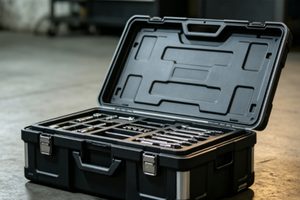
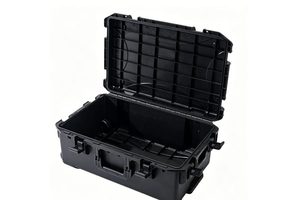
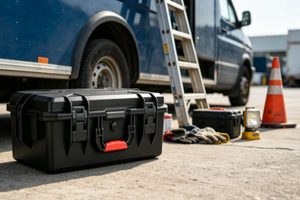
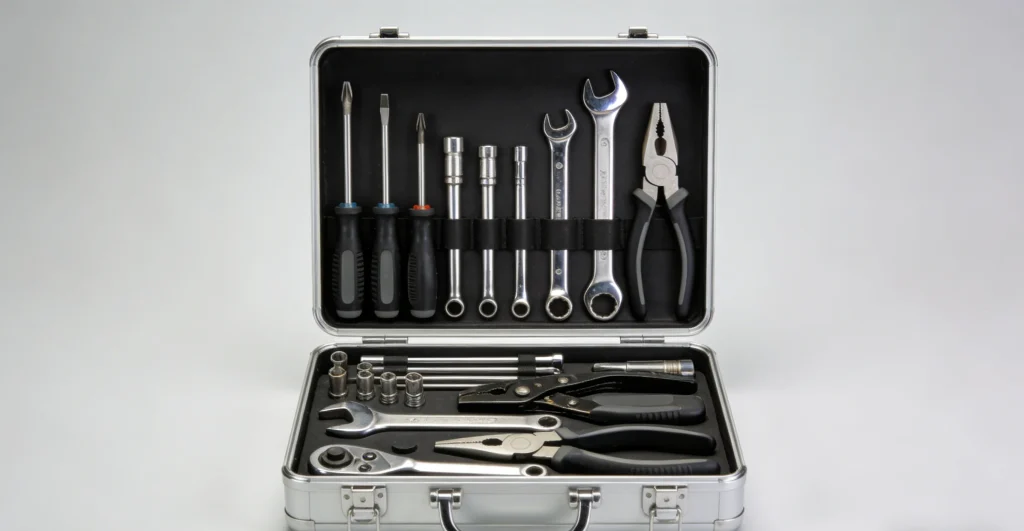
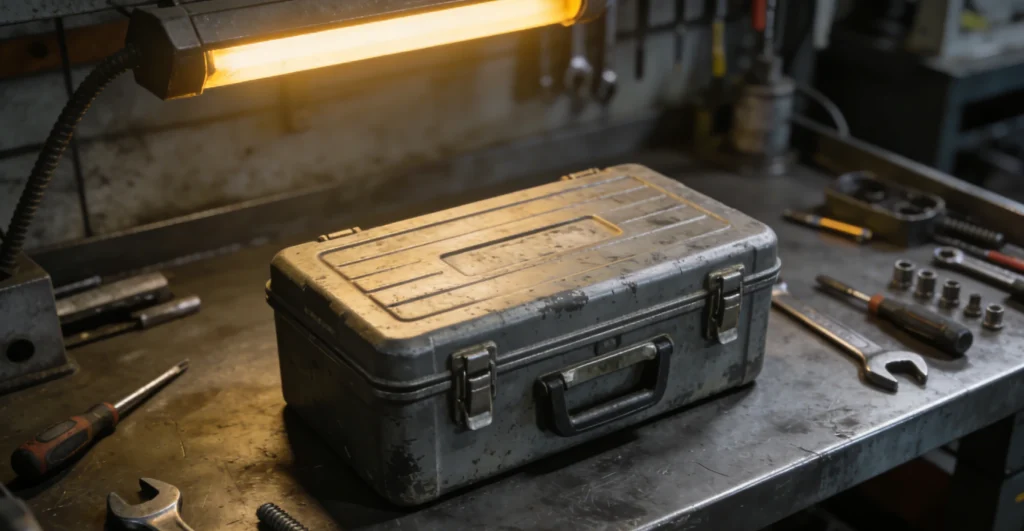
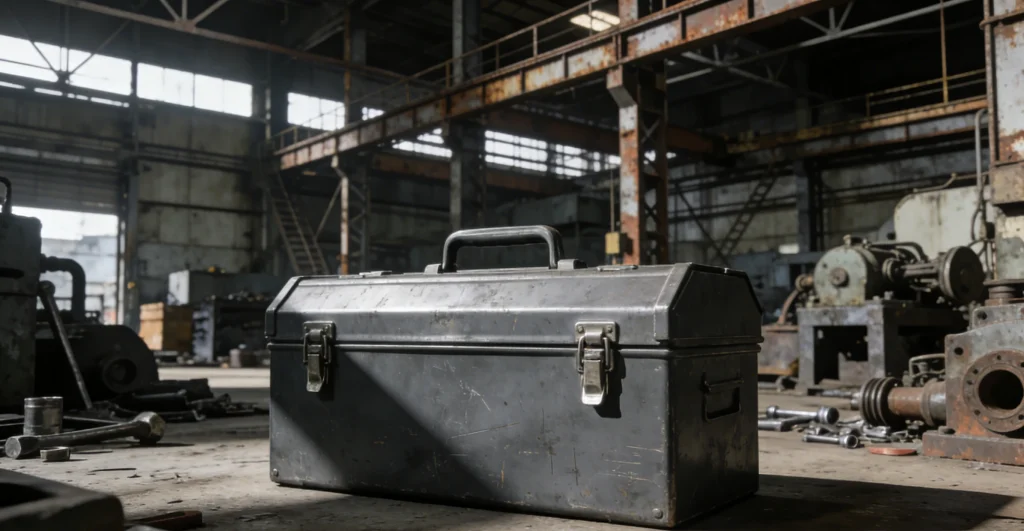
Construction sites often have work areas spread across warehouses, vehicles, different floors, and equipment installation points. Workers may need to move between these locations frequently during a project. Without a practical way to carry tools, problems such as time-consuming searches, scattered parts, and insufficient equipment protection can easily occur. Modular toolboxes use combinable storage structures to organize different types of tools according to specific construction tasks, allowing workers to prepare what they need before heading to the job site.
Modular Toolboxes Make Construction Tools Easier to Organize
Construction work involves tools in many different sizes, from wrenches and screwdrivers to power equipment and various small accessories. Properly dividing the internal space gives each tool a relatively fixed storage location.
Hand Tools Can Be Stored Separately
Frequently used hand tools require easy access, so the internal layout can be arranged according to tool size and usage habits:
- Divide Areas by Size: Wrenches, sockets, and similar tools can be arranged according to their sizes, reducing the time spent searching through mixed tools.
- Create Fixed Positions: Slots, dividers, or protective inserts can keep tools in place and reduce collisions during transportation.
- Separate Frequently Used and Backup Tools: High-use tools can be placed in easily accessible areas, while backup tools can be stored separately.
A clear internal layout allows construction workers to locate tools more quickly and makes post-work organization easier.
Small Accessories Need Compartmentalized Storage
Screws, nuts, washers, cable ties, and other small components are compact but often numerous, making separate compartments useful. Dividing them by size prevents different specifications from becoming mixed, while organizing them by purpose keeps accessories for related installation procedures together. Reserving some spare capacity also makes it easier to add small materials during a project. Detailed compartmentalization can reduce scattered parts and make required items easier to locate.
Power Tools Require Proper Space Allocation
Power drills, impact wrenches, batteries, and chargers vary in size, so the internal space needs to balance load-bearing capacity, separation, and protection:
- Store Larger Equipment Separately: Reserve sufficient depth for power tools to prevent pressure when the toolbox is closed.
- Separate Batteries Properly: Keep batteries appropriately separated from metal tools and store them in a dry environment.
- Organize Cables Separately: Chargers, power cords, drill bits, and other accessories can have dedicated spaces to reduce tangling.
Allocating space according to equipment characteristics keeps power tools and their accessories organized for practical use.
Modular Combinations Can Adapt to Different Construction Tasks
The same construction team may handle different tasks at different project stages. Installation, inspection, maintenance, and emergency repairs often require different equipment. Modular structures allow the contents being carried to be adjusted according to the specific task.
Installation Work Can Use Lightweight Combinations
On-site installation usually requires core tools and a selection of small accessories, rather than every piece of equipment being transported to the work area:
- Keep Essential Equipment: Select the appropriate hand tools and power equipment according to the day’s installation tasks.
- Reduce Unnecessary Carrying: Large tools that are temporarily unnecessary can remain in the vehicle or at a fixed location.
- Keep Installation Accessories Together: Fasteners, connectors, and other small items can be stored separately so they can be carried together with the required tools.
This configuration reduces the burden of movement and makes task-based tool preparation easier for construction workers.
Measuring and Inspection Equipment Needs Dedicated Protection
Measuring instruments and inspection equipment are often sensitive to impact and vibration, so their storage requires greater attention:
- Design Space According to Equipment Dimensions: Confirm the length, width, and height of measuring instruments in advance to avoid excessive or insufficient internal space.
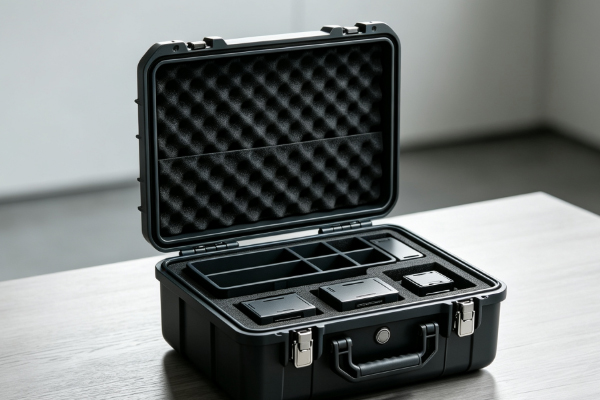
- Add Cushioning Materials: EVA foam, cushioning foam, or similar materials can create protective areas around the equipment.
- Separate Main Units and Accessories: Cables, probes, batteries, and other accessories can be stored independently to reduce friction with the main instrument.
For precision equipment, proper internal positioning can provide more practical protection than simply increasing the overall toolbox capacity.
Emergency Repairs Require Quick Portability
When equipment fails, maintenance workers often need only a selection of commonly used tools. Modular combinations can reduce the amount that needs to be carried:
- Create an Emergency Tool Module: Keep frequently used repair tools together so they can be taken directly when an urgent task arises.
- Adjust According to the Fault Type: Different modules can be prepared for mechanical, electrical, and other repair tasks.
- Use Portable Structures: Handles work well for short-distance movement, while telescopic handles and wheels can be considered for longer transfers.
Creating dedicated tool combinations for emergency tasks reduces preparation time and allows maintenance workers to begin repairs more quickly.
Construction Sites Need Modular Toolboxes for Comprehensive Protection
Construction sites may expose tools to rain, dust, moisture, and impact during handling. The function of a toolbox therefore extends beyond simple storage to transportation protection. Different environments require suitable protective structures based on the equipment being carried.
Dustproof and Waterproof Structures Suit Challenging Environments
Outdoor projects are easily affected by weather and site conditions, so toolboxes can be selected according to the operating environment. Sealing structures can reduce the entry of dust and moisture through components such as sealing rings and latches. Reinforced cases can provide greater impact resistance for frequent handling, while the required protection should be selected according to conditions such as outdoor construction, indoor work, and vehicle transportation. Appropriate external protection helps reduce environmental effects on tools and equipment.
Protective Inserts Reduce Equipment Movement
Although the case can shield equipment from external impacts, movement inside the case can also cause damage, making internal positioning equally important:
- Cushioning Foam: Creates a soft protective layer around equipment and reduces collisions during transportation.
- Custom EVA Inserts: Positioning slots can be shaped according to the instrument’s form to keep it stable.
- Separate Different Items: Main equipment, cables, and loose accessories can be given individual spaces to reduce mutual friction.
Combining the external case structure with internal protective inserts provides a more complete approach to equipment protection.
Carrying Structures Affect On-Site Usability
Toolboxes need to move with construction workers, and both case weight and transportation distance influence the most suitable carrying method:
- Lightweight Tool Combinations: Handles are suitable for direct carrying by workers.
- Heavier Equipment Combinations: Telescopic handles and wheels can reduce the effort required for longer-distance transportation.
- Frequent Site Transfers: Stackable and combinable structures can make vehicle loading and on-site storage more convenient.
Matching the carrying structure to the construction route makes the transfer from storage areas to work locations more efficient.
Modular Toolboxes Help Companies Handle Changes in Tools and Projects
Construction projects contain different stages, and worker roles and equipment requirements may also change. Modular structures allow storage units to be added, removed, or adjusted according to actual requirements, giving the existing tool management system greater flexibility.
Project Changes Can Be Managed by Recombining Modules
Different stages require different tools, so the equipment being carried can be reorganized according to project progress:
- Foundation Construction: Focus on installation, fastening, and basic measuring tools.
- Equipment Installation: Add power tools, connectors, and specialized accessories.
- Maintenance Stage: Configure inspection instruments and repair tools according to the equipment involved.
Changing the modular configuration according to project progress avoids requiring every worker to carry the same tool setup throughout the entire project.
Additional Tools Can Be Accommodated Through Expandable Storage
When a company purchases new equipment, the existing case may no longer provide sufficient capacity. Modular designs offer room for adjustment. Additional storage units can be added according to the number of new tools, dividers can be repositioned to change internal dimensions, and protective structures can be modified with dedicated foam or EVA positioning areas for precision equipment. This approach allows the storage system to adapt as the tool inventory changes and reduces the need to replace the entire toolbox when equipment is added.
Companies Can Establish Standardized Tool Configurations
For larger construction teams, using standardized tool configurations among different workers can support more consistent management:
- Create Position-Based Tool Lists: Establish basic tool lists for electricians, installers, inspection personnel, and other roles.
- Standardize Storage Methods: Use similar modular structures for the same positions to simplify replenishment and maintenance.
- Define Tool Locations: Assign fixed storage areas for commonly used tools and accessories to make checking out and returning equipment easier.
Standardized configurations reduce differences caused by individual storage habits and make long-term construction tool management more consistent.
For construction applications, toolbox selection can focus on case material, internal space, equipment protection, transportation methods, and customization capabilities. SIPHIA BOX provides modular toolboxes, protective cases, aluminum cases, and customized storage solutions, with internal structures designed around specific engineering equipment and tool requirements to support construction installation, on-site maintenance, and inspection applications.