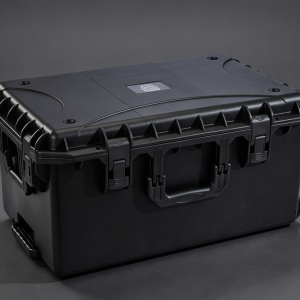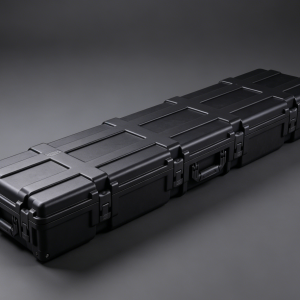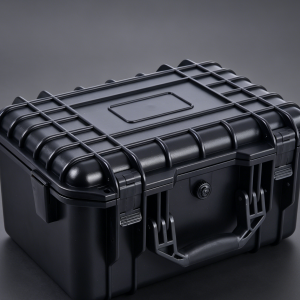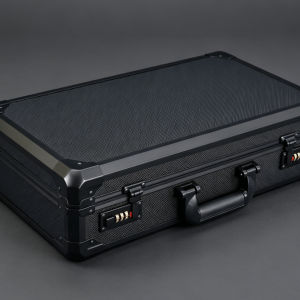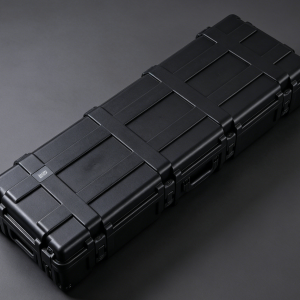
A plastic toolbox is a tool storage product made of plastic materials, primarily used for storing, organizing, and transporting various repair tools, hardware accessories, and work supplies. With the continuous development of engineering plastics technology, plastic toolboxes have evolved from simple storage containers into essential tool equipment that combines storage, protection, and portability. Whether in home repair, car maintenance, construction, or industrial manufacturing, plastic toolboxes play a vital role. Compared to traditional metal toolboxes, plastic toolboxes are lightweight, corrosion-resistant, and moderately priced, making them one of the most widely used types of toolboxes on the market.
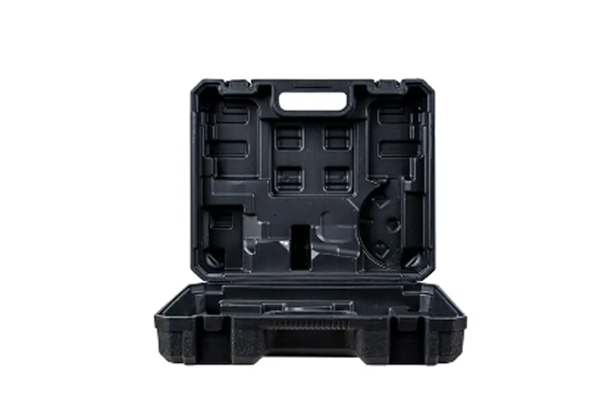
Definition and Basic Structure of Plastic Toolboxes
Plastic toolboxes are storage devices made primarily of engineering plastics, high-strength polymer materials, or composite plastic materials. Their core function is to help users categorize and store tools and provide necessary protection during transportation. A standard plastic toolbox typically consists of a box body, lid, handle, latches, and internal storage areas.
Modern plastic toolboxes are increasingly designed with practicality in mind. They not only offer ample storage space but also incorporate features such as movable trays, drawers, dividers, and transparent storage boxes, allowing users to easily categorize and manage tools by type. For frequent tool users, a well-designed internal structure can improve work efficiency and reduce the likelihood of tools being lost.
Common Materials Used in Plastic Toolboxes
Although plastic toolboxes are generally referred to as plastic products, a variety of materials are actually used. Different materials affect the product’s strength, weight, and lifespan. Understanding the characteristics of the materials during the purchasing process can help users judge product quality.
Common materials on the market include:
- ABS engineering plastic: High impact resistance and wear resistance, with a good surface texture, often used in mid-to-high-end plastic toolboxes.
- PP polypropylene: Lightweight, with excellent corrosion resistance, and relatively economical, it is a common material for household toolboxes.
- HDPE high-density polyethylene: Highly resilient, not prone to cracking, and maintains good impact resistance even at low temperatures.
- Fiberglass Reinforced Composite Plastic: Reinforcing fibers are added to the plastic base, improving overall strength and load-bearing capacity, suitable for professional-grade toolboxes.
Different materials cater to different usage needs; selection should be based on tool weight and usage environment. Higher material quality generally results in better durability and safety for the toolbox.
Characteristics of Plastic Toolboxes
The long-term dominance of plastic toolboxes in the market is closely related to their inherent advantages. For both ordinary users and professionals, plastic provides a good user experience.
Common characteristics of plastic toolboxes include:
- Lightweight, making them easier to move
- Rust-resistant, suitable for humid environments
- Lower production costs, making them more affordable
- A variety of styles and specifications to choose from
- Simple daily cleaning, low maintenance costs
- Good insulation properties.
These characteristics allow plastic toolboxes to meet both household storage needs and some industrial and engineering work environments. For those who frequently move tools, the lightweight design effectively reduces the burden of use.
Industries and Scenarios Where Plastic Toolboxes Are Suitable
Plastic toolboxes are highly versatile and can be found in numerous industries. Home users typically use them to store screwdrivers, wrenches, pliers, measuring tapes, and various repair parts, keeping tools neat and organized. When assembling furniture, repairing appliances, or doing simple renovations, the necessary tools can be quickly located.
The automotive repair industry also widely uses plastic toolboxes to store socket tools, testing equipment, and vehicle maintenance supplies. Construction, electrical installation, machinery repair, and equipment maintenance also rely heavily on toolboxes. Some professional models even feature dustproof, waterproof, and impact-resistant designs, making them suitable for more complex working environments. With the increasing demand for mobile work and on-site repair, the application scope of plastic toolboxes continues to expand.
How to Choose the Right Plastic Toolbox
The market offers a wide variety of plastic toolboxes, with significant differences in capacity, structure, and functionality. When purchasing, it’s essential to select based on actual usage rather than simply comparing prices.
When purchasing a toolbox, pay attention to the following points:
- Choose an appropriate capacity based on the number of tools.
- Check the plastic material and box thickness.
- Check if the handles and latches are secure.
- Understand the rationality of the internal compartment design.
- Determine if it has waterproof and dustproof functions.
- Pay attention to load-bearing capacity and impact resistance.
For home users, small to medium-sized plastic toolboxes are usually sufficient for daily needs; for professional repair personnel, larger capacity and more robust structures are required. Appropriate matching of usage needs will result in a better user experience and a longer service life.