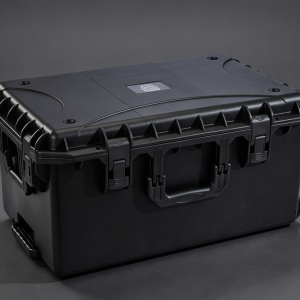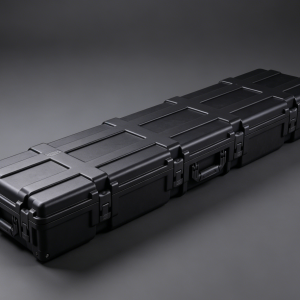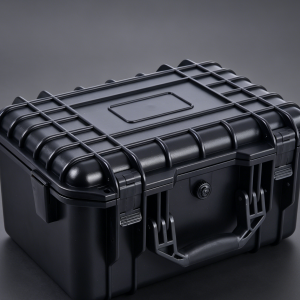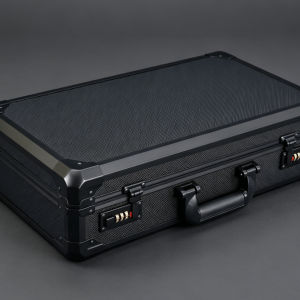
In the field of tool storage, plastic and metal toolboxes have always been the two mainstream choices in the market. Whether you’re a home user, a car mechanic, or a professional construction team, you’ll often face this question when buying a toolbox: are plastic toolboxes better than metal toolboxes? In fact, both materials have their own characteristics and applicable scenarios, and there’s no absolute superiority or inferiority. With the continuous advancement of engineering plastics technology, plastic toolboxes have seen significant improvements in strength, durability, and functional design, even demonstrating a clear advantage over metal toolboxes in some applications. Understanding the differences between the two helps in making a more rational choice based on actual needs.
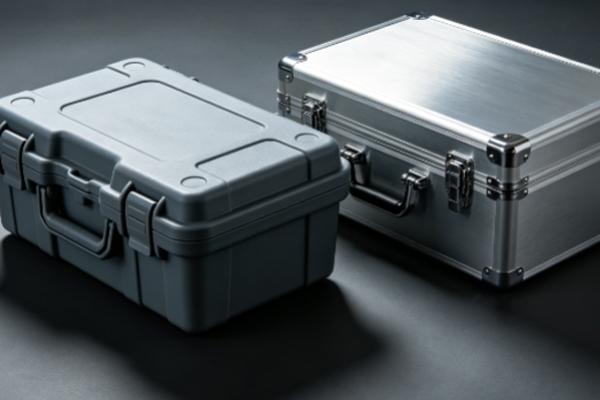
Weight and Portability Comparison
For people who frequently move tools, the weight of the toolbox directly affects the user experience. One of the biggest advantages of plastic toolboxes is their lightweight design; even when loaded with a large number of tools, the overall weight is still lighter than a metal toolbox of the same size.
This feature makes plastic toolboxes more convenient for daily use, especially suitable for scenarios requiring frequent tool movement.
Plastic toolboxes typically offer the following advantages in terms of portability:
- Lighter weight
- Easier to carry
- Less burdensome to carry for extended periods
- More suitable for mobile repair work
In contrast, while metal toolboxes are sturdy, they are generally heavier. The overall difficulty of carrying increases with the number of tools. For users who frequently work outdoors, plastic toolboxes often provide a better user experience.
Corrosion Resistance and Environmental Differences
Toolboxes inevitably come into contact with humid air, rain, or chemicals during long-term use, making the corrosion resistance of the material crucial.
Plastic toolboxes do not rust and maintain good appearance and structural stability even in humid environments. This advantage is particularly pronounced in coastal areas, underground garages, outdoor construction sites, and high-humidity storage environments. Users do not need to worry about surface damage due to oxidation and corrosion, nor do they require regular rust prevention treatment.
While metal toolboxes are stronger, they may still rust after prolonged contact with moisture if the surface protective layer is damaged. Even with rust-proof coatings, some maintenance is required to maintain their good condition.
Comparison of Load-Bearing Capacity and Structural Strength
Many consumers believe that metal toolboxes are more durable than plastic toolboxes, and this view is indeed true in some cases. Metal materials themselves have higher strength and can withstand greater pressure under heavy loads.
However, the development of modern engineering plastics technology has enabled high-quality plastic toolboxes to possess considerable structural strength. In scenarios such as daily maintenance, car maintenance, and household tool storage, most plastic toolboxes can meet practical needs.
When judging strength, the following factors can be considered:
- Plastic material grade
- Box wall thickness design
- Reinforcing rib structure layout
- Lock and hinge quality
For heavy-duty tools or industrial equipment maintenance, metal toolboxes still have certain advantages; for ordinary maintenance work, high-quality plastic toolboxes can provide reliable support.
Price and Maintenance Cost Analysis
Budget is also an important factor for many users when purchasing toolboxes. Plastic toolboxes generally offer better value for money; whether entry-level or mid-range, their prices are generally lower than those of metal toolboxes of the same specifications. Plastic toolboxes are easier to process and have relatively lower production costs, resulting in a wider range of price options available on the market. For home users, small repair shops, and individual entrepreneurs, plastic toolboxes offer greater control over their budgets.
Plastic toolboxes also offer the following cost advantages:
- Relatively low purchase price
- No need for additional rust prevention maintenance
- Easier daily cleaning
- Lower maintenance costs
Plastic toolboxes are highly attractive to users with limited budgets who still desire a good storage experience.
How Different Users Should Choose
Plastic and metal toolboxes are not mutually exclusive but rather offer different solutions for different usage needs. If primarily used for home repairs, vehicle tool storage, daily maintenance, or light engineering work, plastic toolboxes typically offer better portability and cost-effectiveness.
If the working environment is harsh, requiring the storage of a large number of heavy tools, or if working in a high-intensity industrial environment for extended periods, metal toolboxes remain a worthwhile option. Some professional users even carry both types of toolboxes, using them in combination depending on the specific task. When choosing a toolbox, consider the following:
- Total weight of tools
- Frequency of use
- Working environment conditions
- Handling requirements
- Procurement budget
In actual use, plastic toolboxes are not necessarily better than metal toolboxes. However, for most ordinary users and light to medium-duty usage scenarios, plastic toolboxes have become an increasingly popular choice due to their lightweight, rust-proof, and cost-effective features.