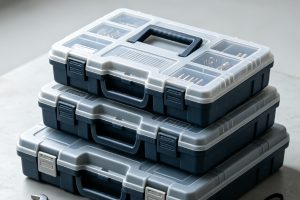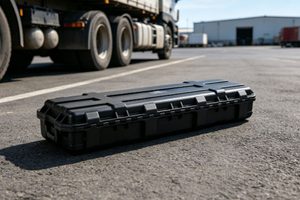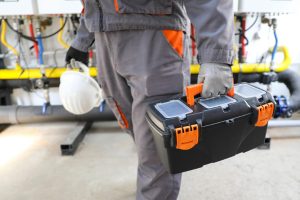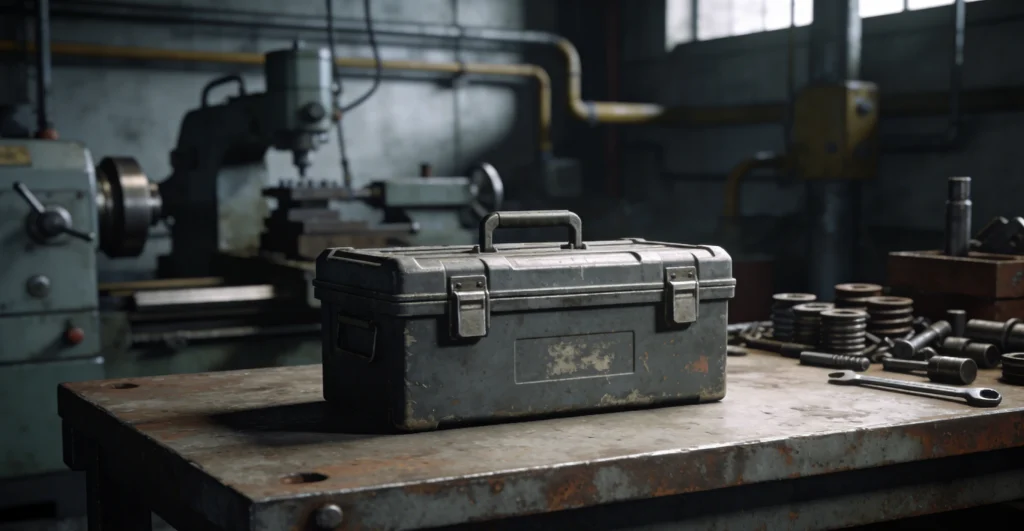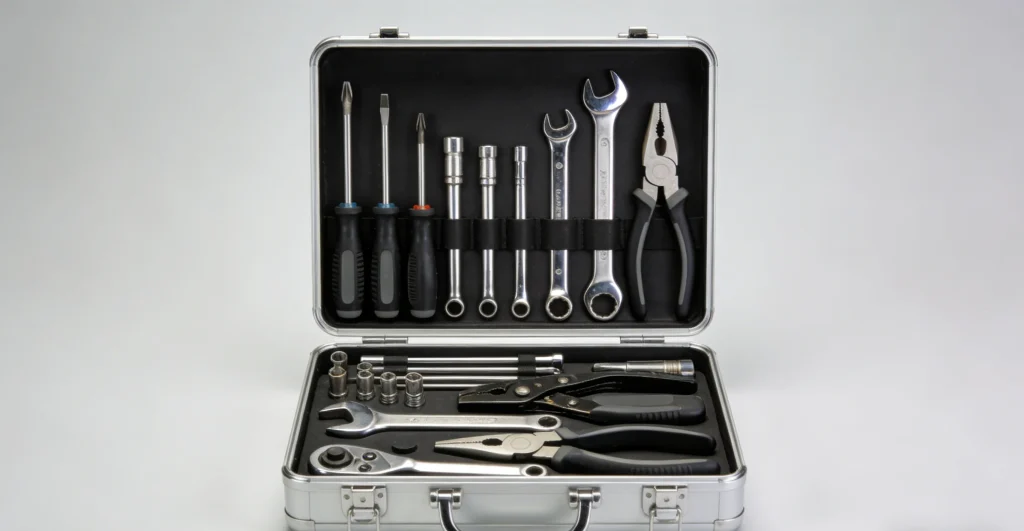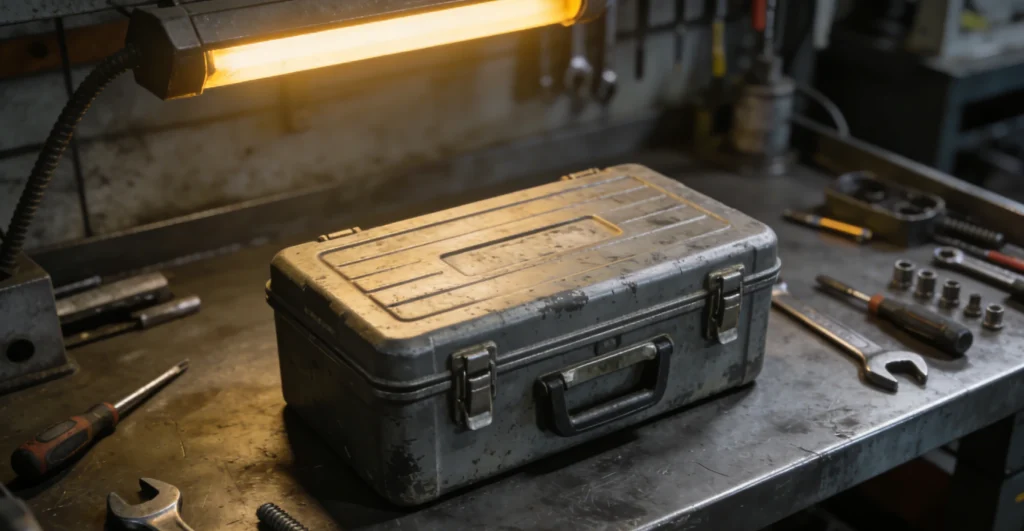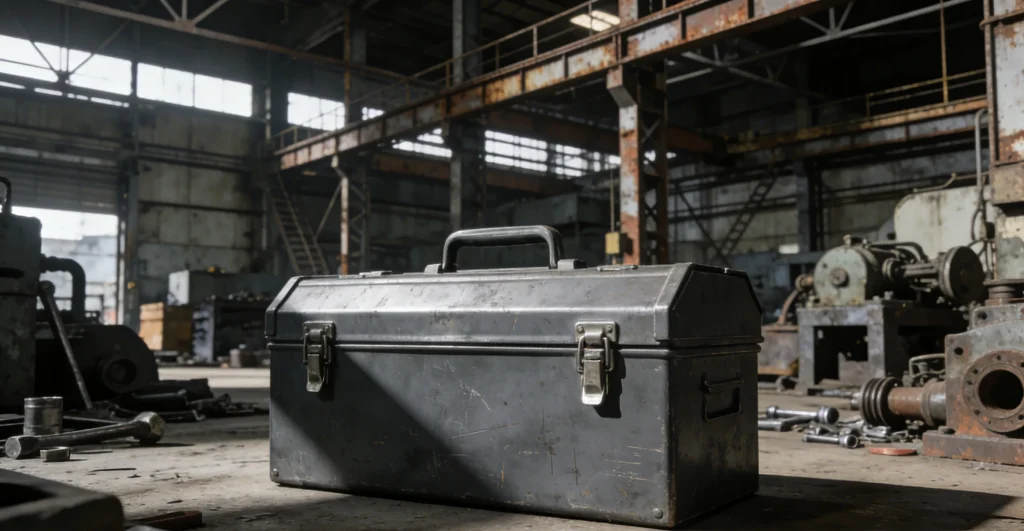
In modern repair, industrial production, and home DIY environments, the variety of tools is constantly expanding; consequently, traditional toolboxes are increasingly struggling to meet current demands regarding storage efficiency, organization capabilities, and portability. In their daily work, many repair professionals frequently encounter issues such as tools being jumbled together, inconvenient transport, and inefficient transitions between tasks on-site problems that ultimately slow down the overall pace of work. Thanks to their layered assembly and modular structural designs, stackable toolboxes make tool management more flexible and organized. They not only enhance the efficiency of transporting tools but also optimize space utilization, ensuring that operations across various repair scenarios are more efficient and stable. As the repair industry’s demands for efficiency and professionalism continue to rise, stackable toolboxes are fast becoming the preferred solution for an increasing number of repair professionals.
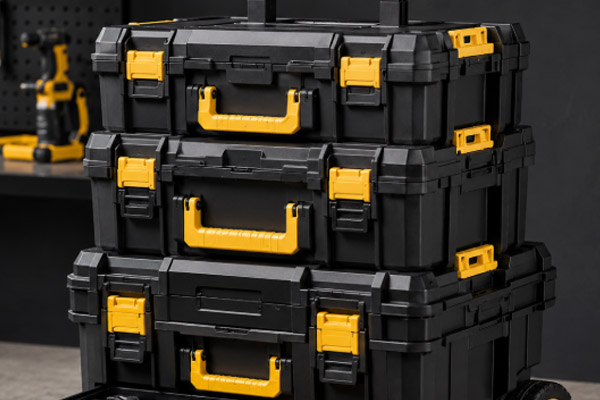
The Demand for Stackable Toolboxes Is Growing Rapidly
As repair scenarios become more complex and the volume of tools continues to increase, stackable toolboxes are gradually evolving from mere auxiliary aids into a core piece of essential equipment.
Enhancing On-Site Operational Efficiency
In the repair process, time is a critical factor, and tool management directly impacts the speed of operations.
- Rapid Tool Access: Frequently used tools are consolidated in the top layers or specific modules, minimizing time spent rummaging.
- Clear Organizational Structure: Power tools and hand tools are stored in separate layers, boosting operational efficiency.
- Consistent Layout Habits: Maintaining the same storage arrangement over time allows repair professionals to develop operational muscle memory and intuition.
A clear and systematic approach to tool management can significantly boost overall repair efficiency.
Reducing the Burden of Carrying Tools
Repair professionals often need to work across different locations, making the method of transporting tools particularly important.
- Layered and Modular Transport: Modules can be separated according to the specific task, allowing professionals to carry only the necessary tools.
- Reduced Overall Weight: Avoids the physical strain caused by attempting to carry every tool at once.
- Improved Mobility: Facilitates rapid transitions between various work environments, such as workshops and construction sites.
Lightweight design and flexibility have become key requirements for repair professionals.
How Stackable Toolboxes Optimize the Repair Workflow
Stackable toolboxes are not merely containers for tools; they represent a systemic solution designed to enhance operational efficiency.
Layered Structural Management
A logical, layered structure is a key design feature for boosting repair efficiency.
- Power Tool Layer: Equipment such as power drills and cutting tools are stored separately to enhance safety.
- Hand Tool Layer: Hand tools such as wrenches and screwdrivers are centrally organized to maximize usage efficiency.
- Small Parts Layer: Small items such as screws and drill bits are stored in compartmentalized sections to prevent disorganization and loss. Emergency Tool Layer: Spare repair tools are stored separately to enhance emergency response capabilities.
A clear structural layout ensures a smoother repair workflow.
Structural Stability and Protective Design
Given the complexity of repair environments, toolboxes must possess exceptional durability.
- Impact-Resistant Structure: Minimizes damage caused by handling and harsh job-site conditions.
- Dust and Moisture Resistance: Protects tools, ensuring they remain in optimal working condition within challenging environments.
- Reinforced Stackable Structure: Guarantees stability and safety even when multiple units are stacked vertically.
- Smooth-Gliding Drawer Rails: Enhances user experience and operational efficiency.
Robust structural design ensures reliable, long-term performance.
Adaptability Across Diverse Repair Scenarios
The ability of stackable toolboxes to adapt to a wide range of repair environments is a primary reason for their widespread popularity.
Automotive and Equipment Repair
Automotive repair demands a diverse array of tools and high levels of efficiency.
- Multi-Category Tool Organization: Accommodates various vehicle models and specific repair tasks.
- Rapid Mobility: Facilitates quick and easy transitions between different workstations.
- High-Strength Structural Support: Withstands the rigors of continuous, high-frequency use.
Professional repair environments require highly efficient tool management systems.
Industrial and Engineering Maintenance
Industrial maintenance environments are inherently more complex and place higher demands on tool systems.
- High-Capacity Storage: Meets the extensive organizational needs associated with large tool inventories.
- Modular Combinations: Adapts flexibly to the changing requirements of diverse engineering projects.
- Highly Durable Materials: Ensures reliable, long-term operation in demanding industrial settings.
Industrial applications prioritize structural stability and load-bearing capacity.
Home Repair and DIY Projects
Home users prioritize convenience and efficient space utilization.
- Compact Design: Fits easily into home garages, workshops, or general storage areas.
- Centralized Essential Tools: Provides easy access to the tools needed for routine maintenance and simple tasks.
- Flexible Mobility: Allows for easy repositioning to suit the specific needs of the task at hand.
Home use emphasizes a harmonious blend of lightweight portability and practical utility.
The Long-Term Advantages of Stackable Toolboxes
Stackable toolboxes do more than just solve immediate tool storage and access issues; they also offer exceptional long-term adaptability and scalability. As a user’s tool collection grows, new modules can be flexibly added as needed eliminating the need to replace the entire tool system. This approach reduces long-term ownership costs and prevents the waste associated with redundant investments. Furthermore, the modular, stackable design allows users to continuously adjust the internal layout to suit their specific work habits, ensuring that tool management remains efficient and streamlined at all times. Over the course of long-term use, the combination of high-strength materials and a robust structural design ensures that this tool box maintains reliable performance even amidst frequent relocation and under heavy loads. This makes it a consistently dependable asset across a wide range of settings, including industrial operations, professional maintenance, and home use.
The growing preference among maintenance professionals for stackable tool boxes fundamentally reflects an evolving demand for enhanced efficiency, flexibility, and specialized organizational management. Compared to traditional tool boxes, the stackable design is better suited to the complexities of modern maintenance environments, facilitating clear tool categorization, easier portability, and maximized space utilization. Whether applied in automotive repair, industrial equipment maintenance, or home improvement projects, stackable tool boxes demonstrate superior adaptability and practical utility, and are rapidly becoming an essential method of tool management within the modern maintenance industry.