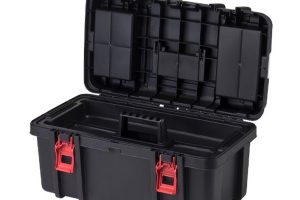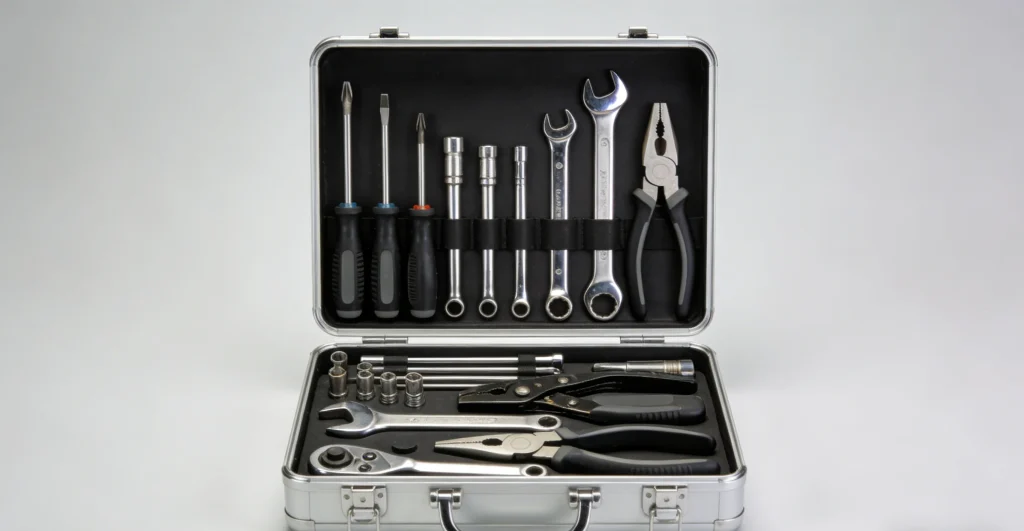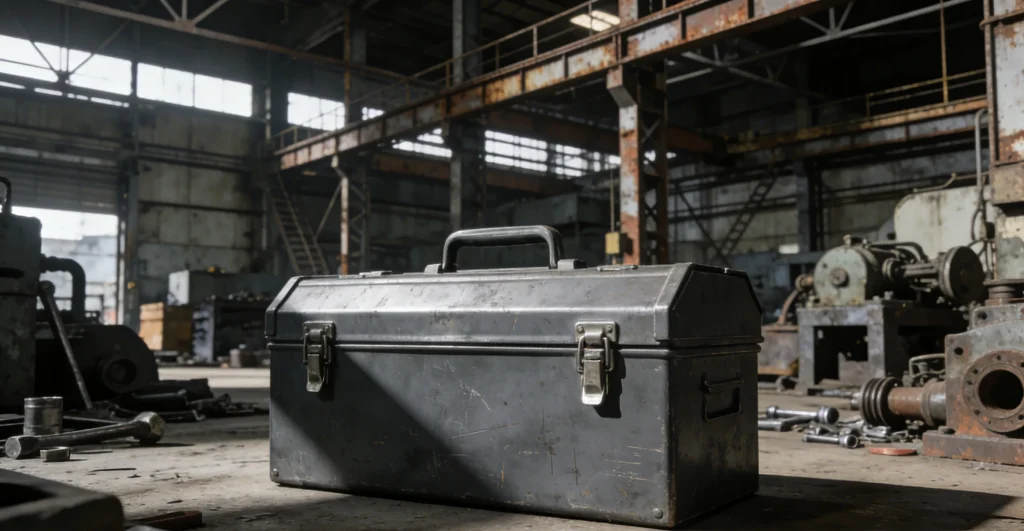
In modern repair work, industrial production, and home DIY environments, the variety of tools is constantly expanding. Consequently, traditional toolboxes are increasingly struggling to meet current demands regarding storage efficiency, organization capabilities, and mobility. In practice, many users frequently encounter issues such as tools being jumbled together, difficulty in locating specific items, and inefficient use of space—all of which lead to a decline in overall work efficiency. By utilizing a design based on layered stacking and modular assembly, stackable toolboxes make tool storage more flexible and organized. This not only boosts storage efficiency but also optimizes space utilization, ensuring that tool management remains highly efficient and consistent across a wide range of scenarios. As the demand for professional repair services and home tool usage continues to rise, stackable toolboxes are rapidly emerging as a more practical and effective method for tool management.
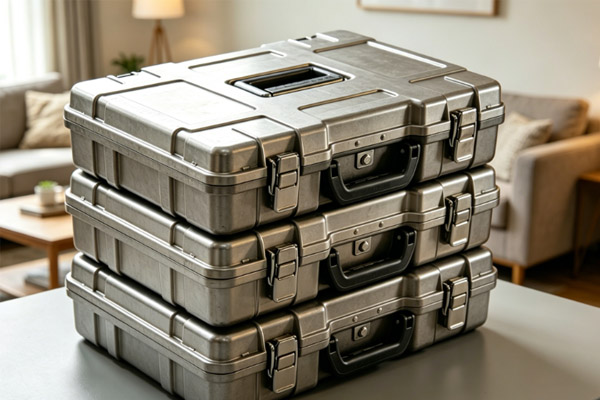
The Growing Importance of Stackable Toolboxes
As the sheer volume of tools continues to increase, stackable toolboxes have evolved from being mere basic storage containers into comprehensive, systematic solutions for tool management.
Enhancing Space Utilization Efficiency
In environments where tools are used frequently, a lack of space often hinders overall efficiency.
- Layered stacking saves space: By utilizing a vertical stacking structure, these toolboxes effectively leverage vertical space to significantly increase overall storage capacity.
- Clearer categorized storage: Tools are managed in distinct layers, resulting in a more orderly arrangement and significantly reducing clutter.
- Flexible modularity for adaptability: Modules can be freely stacked or separated according to specific operational needs, enhancing the system’s ability to adapt to various spatial constraints.
With improved space utilization, the overall work environment has become cleaner and more efficient.
Boosting Tool Management Efficiency
Without proper categorization and management, tools can significantly hinder operational efficiency.
- Centralized storage for high-frequency tools: Frequently used tools are placed in the top layers or easily accessible zones to maximize operational efficiency.
- Fixed structures minimize clutter: Each layer is designated for a specific category of tools, thereby reducing the time spent rummaging around to find what is needed.
- Clear partitioning improves workflow pace: Distinctly defined sections streamline operational processes, leading to greater overall efficiency.
Standardized management makes tool usage more efficient and stable.
How to Scientifically Configure Stackable Toolboxes
A well-conceived structural design is the key to unlocking the full potential of stackable toolboxes.
Layered Structural Design: Building a Comprehensive Tool System
A layered design makes tool categorization clearer and more intuitive.
- Power Tool Layer: Equipment such as electric drills, cutting tools, and grinders are stored separately, enhancing both safety and management efficiency.
- Hand Tool Layer: Common manual tools—such as wrenches, screwdrivers, and pliers—are centrally organized to facilitate quick and easy access. Small Parts Layer: Small accessories—such as screws, drill bits, and fasteners—are stored in compartmentalized sections to prevent disorganization and loss.
- Emergency Tool Layer: Spare tools and emergency repair equipment are stored separately, facilitating a faster response in urgent situations.
A clear structural layout ensures more efficient overall management.
Material and Structural Design Enhances Durability
The structural integrity of a toolbox directly impacts its service life and user experience.
- Impact-Resistant Design: Minimizes damage to tools during transport and handling, while enhancing safety.
- Reinforced Load-Bearing Design: Capable of accommodating heavy-duty tools, thereby improving overall stability.
- Dust- and Moisture-Resistant Structure: Mitigates the adverse effects of external environmental factors, extending the lifespan of the tools.
- Optimized Drawer Slide Design: Ensures smooth and effortless opening and closing of drawers, enhancing the user experience.
A robust structural design guarantees reliable, long-term performance.
Stackable Toolbox Solutions Tailored to Different Scenarios
Stackable toolboxes offer exceptional adaptability, making them suitable for a wide variety of operational environments.
Industrial and Maintenance Settings: Emphasizing High Capacity and Professionalism
Industrial environments typically involve a diverse array of tools, placing higher demands on organizational and management systems.
- Multi-Layer Stackability for Expanded Capacity: Storage space can be significantly increased by adding additional layers, thereby boosting management efficiency.
- High-Strength Structural Support: Built to withstand frequent use and the rigors of complex work environments.
- Rapid Mobility Design: Ideal for multi-station workshops, facilitating efficient workflow and movement between workstations.
Professional settings prioritize stability and storage capacity above all else.
Home DIY and Garage Use: Emphasizing Convenience and Flexibility
Home users typically prioritize ease of use and efficient space utilization.
- Compact and Flexible Storage: Perfectly suited for garages and storage rooms, minimizing spatial footprint.
- Centralized Management of Frequently Used Tools: Keeps high-priority tools readily accessible, enhancing efficiency in daily tasks.
- Modular and Portable Structure: Individual layers can be detached and used independently, facilitating operations across different areas.
Home environments place a greater emphasis on flexibility and practicality.
The Long-Term Value of Stackable Toolboxes
Stackable toolboxes offer more than just a solution for current tool storage and organization challenges; they also possess significant long-term scalability. As a user’s tool collection grows, they can flexibly add more stacking layers without needing to replace the entire toolbox system, thereby reducing long-term investment costs. Furthermore, the stackable design allows users to easily adjust the layout to suit their specific working habits, ultimately optimizing operational efficiency. High-strength materials and a robust structural design ensure the safety and durability of this toolbox, even under prolonged and frequent use. This guarantees stable, long-term performance across a wide range of settings—including industrial environments, maintenance operations, and home use—providing reliable support for tool management at every stage.
Featuring a layered structural design, optimized spatial utilization, and modular assembly capabilities, this stackable toolbox offers a highly efficient solution for modern tool management. Whether utilized in industrial maintenance, construction projects, or home DIY settings, it significantly enhances both tool storage efficiency and space utilization. Compared to traditional toolboxes, this stackable model boasts superior expandability and adaptability, enabling it to effectively meet the long-term requirements of diverse operational environments.