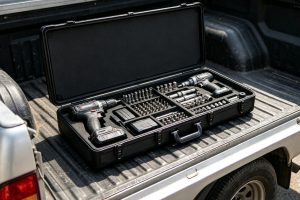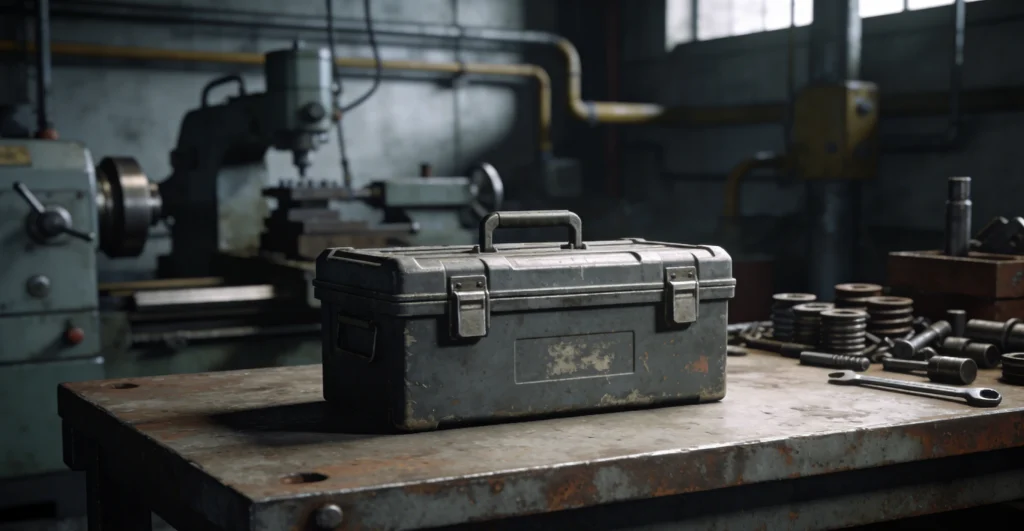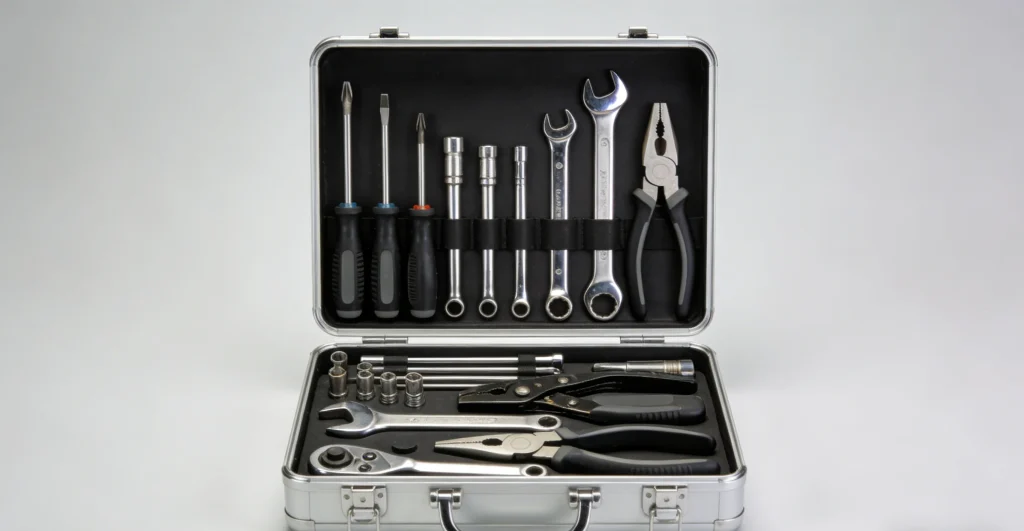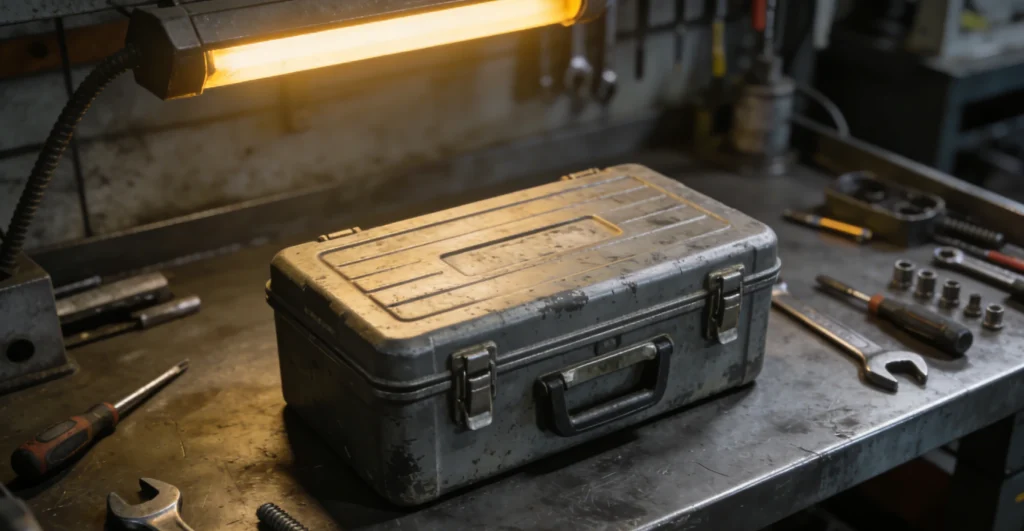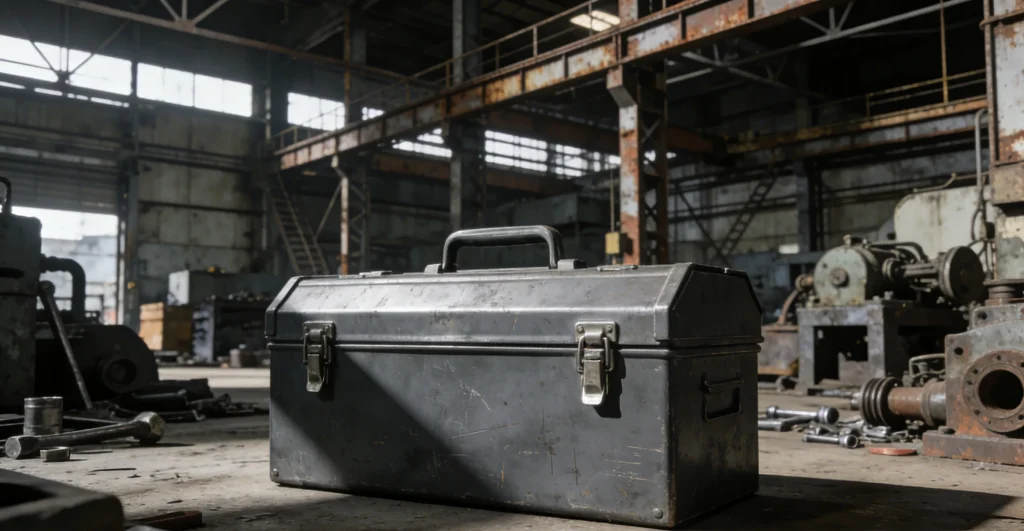
In automotive repair, industrial maintenance, machinery manufacturing, and construction environments, rolling toolboxes are constantly exposed to movement, impacts, friction, and frequent use. When a toolbox is pushed from a storage area to a repair station and then moved to other work areas, its corners, bottom, and surface can suffer varying degrees of impact. Standard exterior designs are often insufficient for demanding work conditions, making wear-resistant and impact-resistant structures an increasingly important feature of professional rolling toolboxes. By reinforcing the toolbox materials, corner protection, bottom support, and caster structure, daily wear can be reduced and the toolbox can maintain stable performance.
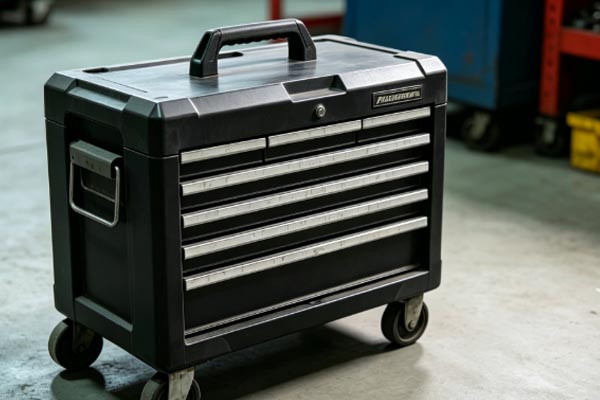
Wear-Resistant Designs Reduce Long-Term Wear
Rolling toolboxes are frequently moved, and their surfaces and bottoms often come into contact with floors, equipment, and other objects. Wear-resistant designs can help maintain the toolbox’s appearance and structural condition during long-term use.
The Toolbox Surface Is More Durable
When a toolbox is moved around workshops and construction sites, contact with equipment, walls, or other objects is unavoidable.
- Wear-Resistant Materials Reduce Surface Damage: Using materials with good wear resistance can reduce visible marks caused by daily friction.
- Surface Treatment Improves Performance: Appropriate surface treatment helps the toolbox maintain a better appearance and makes it suitable for long-term, high-frequency use.
- Reduced Maintenance Requirements: The surface is less likely to suffer extensive wear, making daily cleaning and maintenance easier.
Wear resistance enables rolling toolboxes to better adapt to complex working environments.
The Bottom Structure Requires Special Reinforcement
The bottom of a rolling toolbox continuously supports the weight of the toolbox and its internal tools while also absorbing vibrations during movement.
- Reinforced Load-Bearing Capacity of the Bottom Plate: A stable bottom structure can reduce the risk of deformation caused by long-term heavy loads.
- Improved Bottom Wear Resistance: The bottom area is more susceptible to friction during frequent movement, and reinforcement can improve overall durability.
After the bottom structure is optimized, the toolbox can better withstand long-term loads and movement.
Impact-Resistant Structures Protect the Toolbox and Internal Tools
Repair sites are often complex, and toolboxes can easily come into contact with equipment, corners, and workbenches during movement. Impact-resistant designs can reduce damage caused by accidental collisions.
Corner Protection Reduces the Effects of Impacts
The corners of a toolbox are particularly vulnerable to impacts. Reinforced protection can improve overall impact resistance.
- Adding Impact-Resistant Corner Guards: Corner guards can absorb part of the impact and reduce direct damage to the edges of the toolbox.
- Rounded Corners Reduce the Risk of Scratches and Impacts: A well-designed toolbox profile can reduce the likelihood of sharp edges receiving direct impacts.
- Reinforced Connection Areas: Maintaining stable connections between the toolbox corners and frame helps improve overall structural strength.
Corner protection makes the toolbox more suitable for frequent movement in demanding work environments.
Internal Tools Also Need Cushioning Protection
When the external toolbox is impacted, the internal tools may also shift and collide. A reasonable compartmentalized structure can provide separate storage spaces for different tools and reduce contact between them. Securing structures can improve transport stability, keeping tools relatively stable in drawers or storage modules and reducing movement during transportation. Precision tools such as measuring instruments and testing equipment can also be assigned dedicated spaces to reduce the effects of impacts. Combining external impact protection with internal organization creates a more complete tool protection system.
Wear-Resistant and Impact-Resistant Designs Improve Rolling Stability
One of the main advantages of a rolling toolbox is its mobility, while stability during movement directly affects the user experience. Wear-resistant and impact-resistant designs usually work together with the casters, base, and toolbox frame.
The Caster Structure Needs Good Durability
Different workplaces have different floor conditions, and casters must withstand the pressure caused by continuous movement.
- Wear-Resistant Wheels Are Suitable for Frequent Movement: They can reduce wheel-surface wear caused by prolonged pushing.
- Stable Caster Frames Improve Load-Bearing Capacity: A stronger caster frame helps keep the toolbox stable while moving.
- Shock-Absorbing Designs Improve Pushing Comfort: Casters with a certain cushioning capacity can reduce vibrations caused by uneven floors.
Durable casters enable the toolbox to move more smoothly in complex work areas.
The Toolbox Frame Needs to Remain Stable
After a toolbox is loaded with a large number of tools, its overall weight increases significantly, making frame stability even more important.
- Reinforced Frames Improve Overall Strength: A stable framework can support long-term use under heavy loads.
- Reinforced Protection at Connection Points: Secure connections between the drawers, toolbox body, and base help reduce loosening after long-term use.
- Structural Design Reduces the Risk of Deformation: A reasonable load distribution allows the toolbox to remain stable during movement and load-bearing.
A stable frame further enhances the practical value of wear-resistant and impact-resistant designs.
Wear-Resistant and Impact-Resistant Designs Help Reduce Long-Term Costs
For professional repair teams and business users, toolboxes are generally long-term investments. Stable and durable designs can reduce the additional expenses associated with frequent repairs and replacements.
Extend the Service Life of the Toolbox
Wear-resistant and impact-resistant designs can reduce structural wear during daily use.
- Slower Appearance Aging: Maintaining the toolbox in good condition over the long term helps preserve a professional working environment.
- Reduced Localized Damage: Reinforcing high-stress areas such as the corners, bottom, and casters can reduce maintenance pressure.
Long-term stable use enables the toolbox to deliver greater value.
Adapt to High-Intensity Professional Work Environments
Frequent movement, heavy tool loads, and complex working conditions can all increase toolbox wear. The combination of wear-resistant surfaces, impact-resistant corner guards, reinforced frames, and durable casters enables the toolbox to better withstand long-term, high-frequency use. When purchasing tool storage equipment, businesses can also select suitable structures based on the number of tools, moving distance, frequency of use, and working environment to improve the practical return on their investment.
The wear-resistant and impact-resistant design of rolling toolboxes is primarily intended to address the continuous wear caused by frequent movement, heavy tool loads, and complex working environments. From the toolbox surface, corner structure, and bottom frame to the caster system and internal tool compartments, every component affects the long-term user experience. SIPHIA BOX focuses on professional tool storage solutions and provides stable and efficient tool management support for automotive repair, industrial maintenance, construction, and other applications through durable structures, practical compartmentalization, and mobile designs.