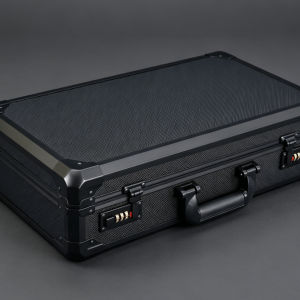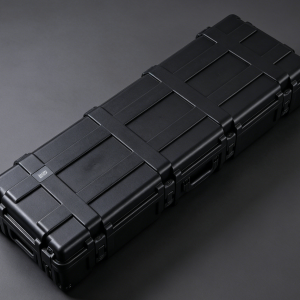
During long-term use, the surface of an aluminum tool box may develop whitening, loss of gloss, dullness, spots, or even localized corrosion. These conditions are usually related to oxidation reactions on the aluminum surface. Aluminum is a relatively active metal. When exposed to air, it naturally forms an oxide film. This oxide film protects the aluminum underneath, so normal light oxidation does not necessarily mean that the tool box has been damaged. What really needs to be treated is an excessively thick oxide layer, obvious white powder on the surface, stains that cannot be removed, or oxidation that has begun to affect the appearance and subsequent painting.
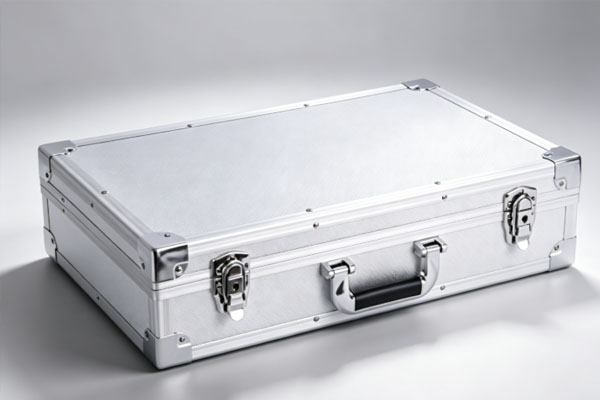
When a tool box is exposed to humid environments, salt spray, or cleaning agents, acidic or alkaline substances for a long time, surface oxidation may become more noticeable. It is not advisable to simply use strong acidic or alkaline liquids for cleaning, because unsuitable chemicals may continue to corrode the aluminum and cause pitting or even thinning of the surface. A relatively reliable approach is to select cleaning, light sanding, professional aluminum cleaning, and renewed protection according to the degree of oxidation. For tool boxes whose structures remain intact, timely treatment of surface oxidation can improve their appearance and reduce further damage caused by long-term accumulation of contaminants.
Why Does an Aluminum Tool Box Develop Oxidation?
Pay Attention to the Difference Between Natural Oxidation and Corrosion
When an aluminum tool box is first used, its surface is usually relatively bright, but it may gradually become dull after a period of time. This happens because aluminum reacts with oxygen in the air and forms a very thin oxide film. Under normal conditions, this film prevents the aluminum underneath from continuing to react rapidly with the air, making it a natural protective mechanism of aluminum. However, when a tool box is exposed to high humidity, salt spray, or heavily polluted environments for a long time, the oxide film may be damaged. If moisture, sweat, cleaning agents, or other corrosive substances remain on the surface for an extended period, obvious white oxides, gray stains, or localized corrosion may appear.
How Can You Determine Whether Oxidation Needs to Be Treated?
Light oxidation is generally characterized by reduced surface gloss or a small number of light-colored marks. This condition can usually be improved through cleaning. If obvious white powder, rough areas, or deeper corrosion spots have appeared, more careful treatment is required. If pits, perforations, or obvious thinning have appeared on the aluminum sheet, the problem is no longer simply surface oxidation. In this situation, it is not recommended to rely only on polishing. Instead, the box structure should be inspected to determine whether it has been affected, and damaged components should be replaced when necessary.
How Should an Aluminum Tool Box Be Treated After Oxidation?
Light Oxidation: Restore the Surface After Cleaning
If the tool box only has slight whitening or has lost some of its gloss, start with gentle cleaning. First, remove all tools from the box, then use a soft cloth to remove dust, followed by a neutral cleaner suitable for aluminum to treat the surface. Do not repeatedly rub the surface with steel wool or other overly hard materials during cleaning, as this may leave obvious scratches on the aluminum sheet. After cleaning, rinse away any remaining cleaner with clean water and then dry the surface with a clean cloth. For light oxidation marks, suitable fine abrasive materials designed for metal surfaces can be used for gentle treatment according to the condition of the aluminum surface, allowing the surface to return to a relatively uniform condition. Excessive pressure should be avoided during treatment, especially for tool boxes with brushed finishes, embossed patterns, or special surface treatments.
Moderate Oxidation: Combine Sanding with Professional Cleaning
When obvious oxidation spots and rough areas have appeared on the surface, ordinary cleaning alone may not completely remove them. In this case, localized sanding can be performed according to the condition of the tool box surface.
First remove loose oxides: Use a soft brush or suitable tool to remove powdery substances from the surface.
Then perform localized sanding: Select suitable fine sandpaper and work along the original surface texture.
Remove sanding residue: Thoroughly clean away aluminum particles and dust after sanding to prevent residue from affecting subsequent treatment.
Finally, provide renewed protection: Depending on the original finishing process of the box, polishing, a protective coating, or repainting can be applied.
If the oxidation covers a large area, a professional aluminum cleaner can be considered, but it must be used according to the product instructions, and a small test should first be performed in an inconspicuous area.
What Should Be Noted When Treating Aluminum Oxidation?
Do Not Use Excessively Strong Chemicals Just to Remove Oxidation
Aluminum is relatively sensitive to both strong acids and strong alkalis. Some cleaning agents can quickly remove oxides, but they may also corrode the aluminum substrate. If used improperly, a problem that was originally limited to surface whitening may develop into surface roughness, pitting, or even localized thinning. Therefore, when treating an aluminum tool box, priority should be given to products clearly designed for aluminum. When using chemical cleaners, operate according to the specified concentration, contact time, and cleaning method. Do not arbitrarily increase the concentration simply to achieve faster results.
Preserve the Original Surface Condition During Sanding
Many aluminum tool boxes have brushed finishes, embossed patterns, or other decorative textures on their surfaces. If excessive force is used during sanding, some oxidation can certainly be removed, but the original appearance may also be damaged. For brushed aluminum sheets, the sanding direction should be kept as consistent as possible. For embossed aluminum sheets, avoid sanding the raised structures flat. If the tool box will be repainted later, appropriate sanding can be performed according to the painting process, but the sanding depth should not be increased indefinitely simply because surface oxidation is present.
Frequently Asked Questions
Q1: Does a White Surface on an Aluminum Tool Box Mean It Is Rusting?
Answer: Not exactly. Aluminum does not produce reddish-brown rust like ordinary steel. White powder or white spots on the surface are usually related to aluminum oxidation and corrosion products. Slight whitening generally does not mean that the box has been seriously damaged, but if the affected area continues to expand or pits appear, it should be inspected promptly.
Q2: Can Steel Wool Be Used to Clean an Aluminum Tool Box?
Answer: It is not recommended. Steel wool is relatively hard and can easily leave scratches on the aluminum surface. It may also damage the original brushed finish or other surface treatment. Light oxidation can be treated with a soft brush, soft cloth, or suitable fine abrasive material.
Q3: Can an Oxidized Aluminum Tool Box Be Painted Directly?
Answer: Direct painting is not recommended. Loose oxide layers, dust, oil stains, and other contaminants should first be thoroughly removed, followed by appropriate sanding and primer treatment. For aluminum, selecting a suitable metal primer can improve the adhesion of the subsequent topcoat.
Q4: Can an Aluminum Tool Box Still Be Used After Oxidation?
Answer: If it only has slight whitening, loss of gloss, or shallow oxidation, normal use is generally not affected. If obvious pits, perforations, severe corrosion, or deformation of the box structure have appeared, its load-bearing capacity and sealing performance should be further inspected. The problem should not be addressed by treating the surface appearance alone.
The appearance of oxidation on an aluminum tool box does not necessarily mean that the product has lost its service value. The formation of an oxide film on aluminum when exposed to air is a normal phenomenon. What really needs attention is whether the oxidation has developed into obvious corrosion. Light whitening and a dull surface can be improved through cleaning and appropriate surface treatment. When the oxide layer is more noticeable, methods such as localized sanding, professional aluminum cleaning, and renewed protection can be combined. As long as the box structure has not been seriously affected, most surface oxidation problems can be improved through proper maintenance. During daily use, the tool box should be kept away from standing water, salt spray, and highly corrosive substances for long periods whenever possible. It should be dried promptly after cleaning.
If the bottom of the tool box frequently comes into contact with damp ground, it can also be raised slightly to reduce prolonged exposure to moisture. For boxes that have already developed oxidation, do not use excessively strong acidic or alkaline cleaners, and do not aggressively scrub the surface with steel wool. The appropriate treatment method should be selected according to the degree of oxidation while preserving the original aluminum surface texture as much as possible. If the box needs to be repainted later, oxides and loose coatings should also be thoroughly removed before sanding, primer application, and topcoat application. This can not only improve the appearance of the tool box but also make the new protective layer more stable. For boxes with severe corrosion, perforation, or structural thinning, particular attention should be paid to their actual load-bearing capacity and safety of use, rather than attempting to solve the problem through surface polishing alone.