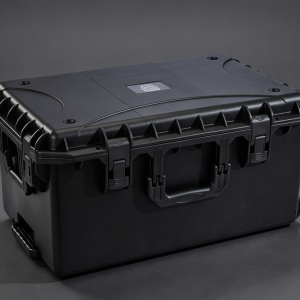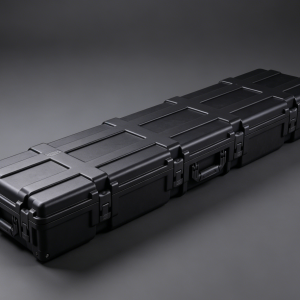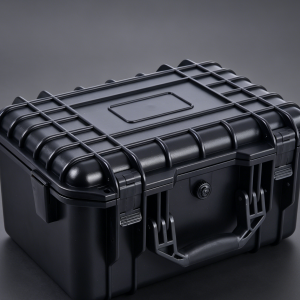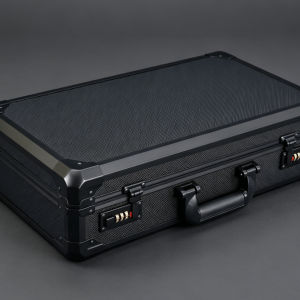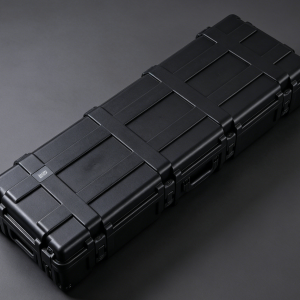
Tool boxes in factories are put to the test every day. Wrenches, socket sets, drills, pliers, and other tools are constantly being taken in and out, while the box itself is moved, bumped, and used for long periods. Some people prefer plastic tool boxes because they are lightweight and easy to carry, while others prefer metal tool boxes because they feel more suitable for storing heavier tools. So, which material works better in an industrial environment? In actual use, the differences can be seen in tool weight, frequency of use, and how often the box needs to be moved.
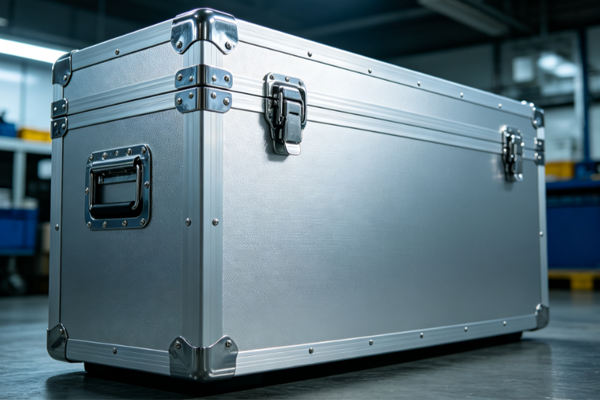
For Heavy Tools, Metal Tool Boxes Are a Better Choice
Industrial maintenance tools are usually numerous and relatively heavy. A set of sockets, several wrenches, a drill, and various small parts can add up to considerable weight. When a tool box needs to hold these items for long periods, the box itself needs to provide good structural stability.
- For wrenches, sockets, drills, and other heavy tools, metal tool boxes are a good choice.
- For mainly small hand tools, plastic tool boxes can also work well.
- For a large number of tools, consider a multi-layer or drawer-style design.
In mechanical maintenance and equipment servicing, tool boxes are rarely used only once in a while. Workers may open them repeatedly throughout the day. A suitable tool box keeps commonly used tools within easy reach, making it quicker to find what is needed without searching through piles of equipment.
If the Tool Box Is Frequently Moved, Weight Matters Too
If a tool box stays beside a workbench, a little extra weight may not be a big issue. But for maintenance workers who move between different workshops or take tools to customer sites, a heavy box can quickly become a burden. The tools are already heavy enough, so adding unnecessary weight to the box itself is not ideal.
Aluminum alloy tool boxes can be a good option in this situation. They are also made from metal materials but are generally easier to carry than steel tool boxes. Plastic tool boxes are even lighter and work well when there are not too many tools to carry. Anyone who spends the day walking around with a tool box will notice the difference in weight.
In Busy Workshops, Metal Tool Boxes Are Better for Frequent Use
It is difficult to keep a tool box completely free from bumps and knocks in a factory. It may be placed on the floor, moved onto a workbench, or accidentally hit by a cart. These are normal parts of daily industrial work. When a tool box is exposed to this kind of environment every day, the ability of the box material to handle long-term use becomes important.
- Mechanical repair workshops are well suited to metal tool boxes.
- For areas with frequent impacts, prioritize a stable box structure.
- For long-term fixed use, steel tool boxes can be considered.
- For light-duty repair areas, plastic tool boxes still have their place.
The difference becomes more noticeable when a tool box is opened and closed many times every day. Industrial workers usually do not have time to handle a box with extreme care. Easy access, convenient operation, and reliable daily performance are much more practical in a busy workplace.
Plastic Tool Boxes Still Work Well for Some Industrial Jobs
Plastic tool boxes are not limited to household storage. Factories also have plenty of light-duty maintenance tasks where workers may only need screwdrivers, pliers, measuring tapes, and a few small accessories. In these situations, the lightweight design of a plastic tool box can actually be an advantage.
- Suitable for storing small tools.
- Suitable for temporary maintenance projects.
- Suitable for jobs that require frequent carrying.
If the work does not involve large or heavy tools, there is no need to add unnecessary weight and cost simply to use a metal material. Companies with different types of workers can also provide different tool boxes for different jobs instead of using the same material everywhere.
For Industrial Use, Look at How the Tool Box Is Used Every Day
The people who use tool boxes every day usually know exactly what they need. A maintenance worker may move around a workshop all day, an equipment engineer may need to handle problems in different areas, while warehouse staff may care more about tool organization and storage. Different jobs naturally call for different tool box features.
- Heavy maintenance work: Choose a metal tool box.
- Light-duty tool storage: A plastic tool box can be sufficient.
- Mobile work: Consider an aluminum alloy tool box.
If the tools are heavy, the box is used frequently, and it stays mainly near a production line or maintenance area, a metal tool box is usually more practical for long-term use. If workers only carry a small number of tools between locations, the lightweight nature of a plastic tool box can be more convenient. Aluminum alloy tool boxes are a good middle ground for users who want a metal material without carrying a particularly heavy box.
Box size is also worth considering. When there are many tools, external dimensions are not the only thing that matters. Internal dividers, compartments, and drawers can make a big difference during daily work. Throwing everything into one large box may turn finding a single wrench into a frustrating search, no matter how durable the box material is.
Metal and plastic tool boxes each have their own suitable applications. Metal tool boxes are better for heavy tools, frequent use, and long-term placement in industrial environments. Plastic tool boxes are easier to carry when the tools are lighter and workers move around frequently. For users who want metal materials but still care about weight, aluminum alloy tool boxes are another practical option. A tool box does not need to be the heaviest or the cheapest to be useful. It needs to hold the right tools, feel comfortable to use, and fit naturally into the daily work environment.