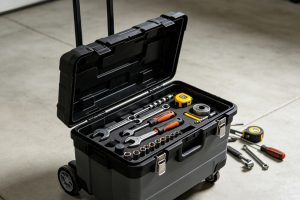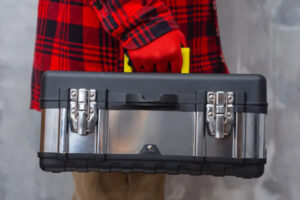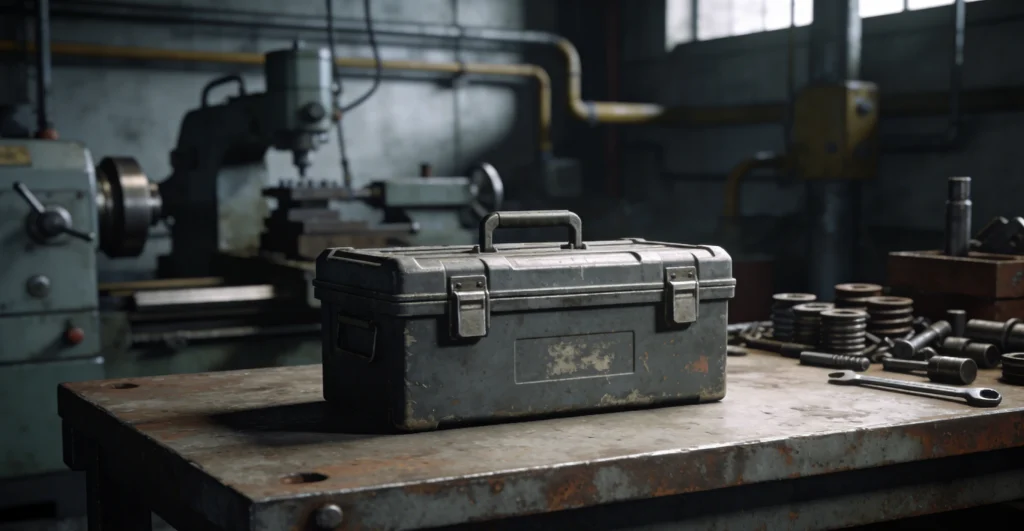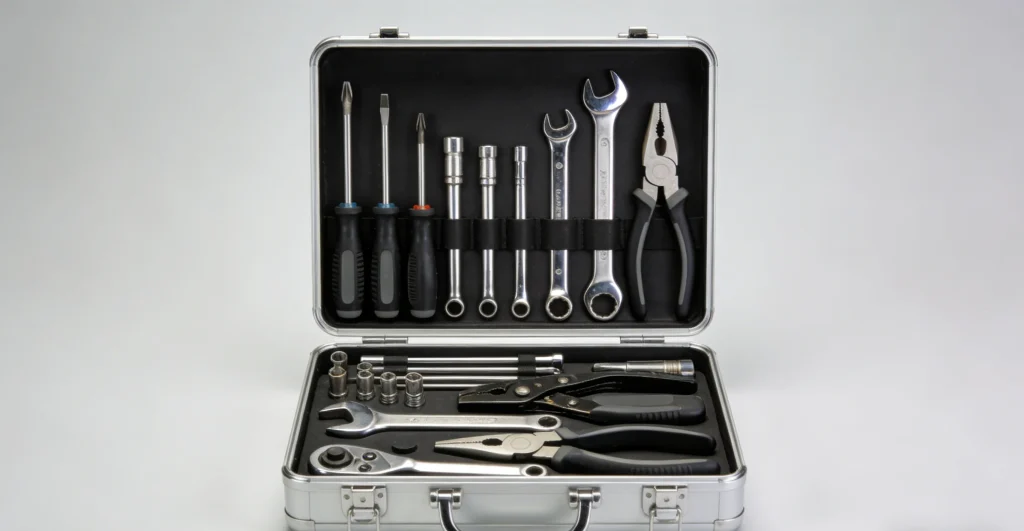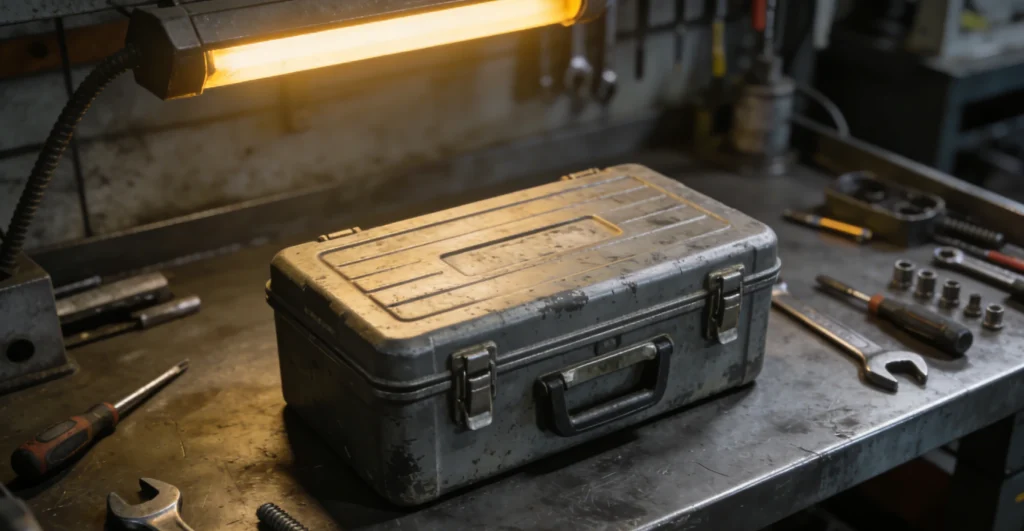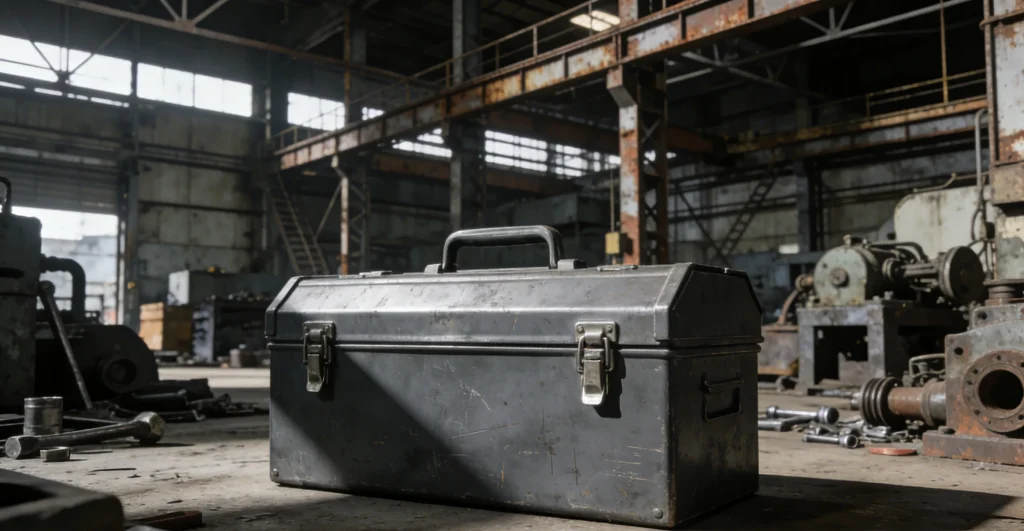
A mechanical toolbox is a storage device specifically designed for organizing, carrying, and protecting mechanical repair tools. It is widely used in equipment maintenance, machining, automotive maintenance, industrial production, engineering construction, and other applications. Compared with ordinary storage boxes, mechanical toolboxes usually need to have higher load-bearing capacity, more reasonable internal space design, and better durability because mechanical repair work involves many types of tools, and some tools are relatively heavy. Without suitable storage equipment, tools can easily become disorganized, which may also affect daily maintenance efficiency. During machining and equipment maintenance, workers often need to carry different sizes of wrenches, screwdrivers, measuring tools, disassembly tools, and auxiliary parts.
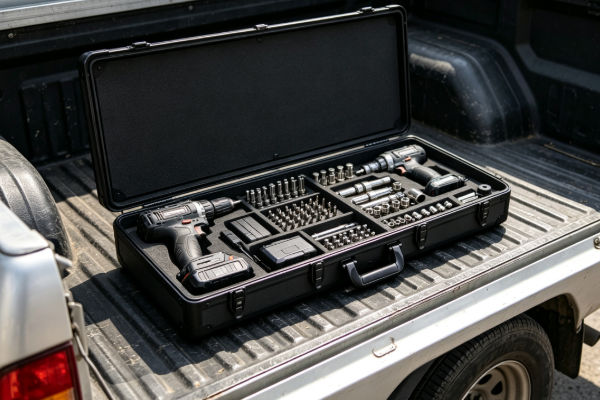
If these tools are placed randomly, they not only occupy working space but may also cause problems such as tool damage or loss. Therefore, mechanical toolboxes use layered storage, compartments, and modular designs to classify and manage different types of tools, allowing workers to quickly find the required equipment when needed. The range of tools stored in mechanical toolboxes is extensive, and different users adjust the contents according to their work requirements. For example, ordinary maintenance workers may mainly store basic assembly and disassembly tools, while professional equipment engineers may need to carry precision measuring devices and specialized repair tools. Therefore, when choosing a mechanical toolbox, it is necessary to consider the number of tools, tool weight, and actual working environment to select a model with suitable capacity and stable structure.
Common Types of Tools Stored in Mechanical Toolboxes
Basic Assembly and Disassembly Tools
Assembly and disassembly tools are among the most frequently used tools in mechanical maintenance work and are also the most basic components of a mechanical toolbox. Whether performing equipment maintenance, replacing parts, or conducting daily mechanical inspections, various disassembly tools are required to remove and install fasteners. Mechanical equipment usually consists of many bolts, nuts, and connecting components, so maintenance workers need to prepare different specifications of tools to handle different part sizes. Mechanical toolboxes usually include dedicated storage areas for these commonly used tools to prevent them from being mixed together.
Common tools include: Adjustable wrenches, combination wrenches, and open-end wrenches; Hex keys; Screwdrivers; Socket tool sets; Ratchet wrenches. Although these tools have relatively simple structures, they are used very frequently. For example, when equipment becomes loose, wrenches are needed for adjustment; when replacing parts, screwdrivers and socket tools are required for removal.
Measuring and Testing Tools
Mechanical maintenance requires not only disassembly and installation but also measurement tools to determine whether equipment meets operating requirements. Therefore, measuring and testing tools are also an important part of mechanical toolboxes. During machining processes, part dimensional accuracy directly affects equipment performance. If part dimensions have deviations, equipment operation may become abnormal. Therefore, maintenance workers usually need to carry various measuring tools to check part dimensions, clearances, and installation positions.
Common measuring tools include: Vernier calipers; Micrometers; Steel rulers; Levels; Feeler gauges.
Compared with ordinary hand tools, these tools are more precise and require protection during storage. Some mechanical toolboxes include independent protective compartments to separate measuring tools from other metal tools and reduce the risk of damage.
What Professional Tools Are Suitable for Mechanical Toolboxes?
Repair and Maintenance Tools
After mechanical equipment operates for a long period, regular maintenance and fault handling are required. Therefore, repair and maintenance tools are an important part of mechanical toolboxes. Different equipment structures vary, and maintenance workers may need various tools to complete inspections and adjustments. For example, when production equipment produces abnormal sounds, external components may need to be removed for inspection; when mechanical parts become worn, replacement parts may need to be installed.
Common repair tools include: Torque wrenches; Puller tools; Hammers; Pry bars; Pliers.
These tools are usually heavier than standard hand tools, so mechanical toolboxes need to have strong load-bearing capacity. Choosing a high-quality toolbox can reduce problems such as deformation or damage during long-term use. During daily work, maintenance workers can prepare commonly used tools according to equipment types to improve on-site repair efficiency.
Electric and Pneumatic Tool Accessories
In mechanical maintenance work, electric and pneumatic tools are becoming increasingly common. However, because these tools are relatively large, they need to be stored according to toolbox capacity. Mechanical toolboxes can store some small electric tools as well as related accessories, such as drill bits, socket heads, grinding discs, and connection accessories.
Common stored items include:
- Electric drill accessories
- Pneumatic tool connectors
- Drill bit sets
- Cutting tool accessories
- Charging equipment
Managing these accessories together can prevent parts from being scattered and improve tool usage efficiency. For workers who frequently perform equipment installation or machining tasks, a well-planned toolbox can meet both tool transportation and accessory management needs.
Fasteners and Spare Parts
During mechanical repairs, some small parts often need to be replaced. Without preparation in advance, equipment failures may affect repair progress. Therefore, many mechanical toolboxes are designed with small storage compartments for spare parts.
Common items include: Screws; Nuts; Washers; Retaining rings; Bearing components.
These parts are small in size and can easily become mixed with other tools, so they need to be stored separately. By making proper use of the internal space of the toolbox, maintenance workers can carry commonly used spare parts and quickly handle simple equipment failures.
What Should Be Considered When Choosing a Mechanical Toolbox for Tool Storage?
Choose Load Capacity According to Tool Weight
Mechanical tools are usually heavier than ordinary tools, so when selecting a toolbox, attention should be paid to the box structure and load-bearing capacity. If the toolbox stores large wrenches, socket sets, or repair equipment for a long time but the structure is not strong enough, problems such as bottom deformation or handle damage may occur. Therefore, mechanical maintenance workers should select suitable models according to the actual number of tools and avoid exceeding the toolbox load capacity.
Plan Internal Space According to Tool Size
Different mechanical tools vary greatly in size. If small and large tools are stored together, convenience of use will be reduced. For example, screwdrivers can be placed in dedicated slots, socket tools can use combination trays, and parts can be stored in separate small boxes. Proper internal space planning can keep the toolbox organized and allow workers to quickly find the tools they need.
Choose Material According to Working Environment
Mechanical maintenance environments are usually complex, and toolboxes may come into contact with oil, dust, or moisture.
Common toolbox materials include: Steel toolboxes; Aluminum alloy toolboxes; High-strength plastic toolboxes.
Steel toolboxes have strong load-bearing capacity and are suitable for industrial maintenance. Aluminum alloy toolboxes are lighter and easier to move. Plastic toolboxes are suitable for storing ordinary repair tools. Choosing the right material can extend the service life of the toolbox.
Frequently Asked Questions
Can Mechanical Toolboxes Store Power Tools?
Yes, but it depends on the toolbox size and structure. Small electric drills, cordless tools, and accessories can be stored in some mechanical toolboxes. If larger power tools need to be stored, a model with larger capacity and stronger construction should be selected.
Do Mechanical Toolboxes Need Layered Designs?
A layered structure is recommended. Mechanical tools come in many types, and without classified storage areas, tools can easily become disorganized. Layered designs allow different tools to have fixed positions and improve searching efficiency.
Does a Toolbox Need to Be Organized Every Day?
Regular organization is recommended. Mechanical maintenance involves frequent tool use, and if the toolbox is not organized for a long time, tools may be misplaced or become difficult to manage. Keeping the toolbox clean and organized can improve work efficiency.
Mechanical toolboxes can store a wide variety of tools, including basic assembly and disassembly tools, measuring equipment, repair tools, electric tool accessories, and spare parts. A suitable toolbox can help organize a large number of tools and make the working process more orderly. When choosing a mechanical toolbox, users need to consider the number of tools, frequency of use, and working environment. Properly classified tool storage can reduce searching time while also lowering the risk of tool damage and loss. Whether used in factory equipment maintenance, machining workshops, or engineering repair work, mechanical toolboxes can play an important role. By organizing tools scientifically and giving each tool a fixed storage location, daily maintenance efficiency can be improved, allowing workers to complete various mechanical maintenance tasks more conveniently.