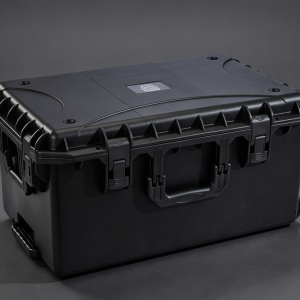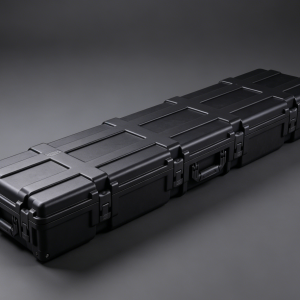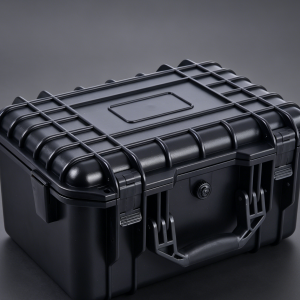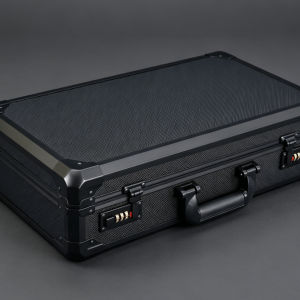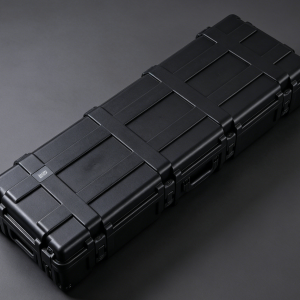
In industrial repair work, automotive maintenance, and home tool organization, a tool box is more than just a storage container—it directly affects tool protection and work efficiency. Common metal tool boxes on the market are mainly divided into stainless steel and steel types. These two materials differ significantly in durability, usage environments, and service life. Many buyers tend to focus only on price or appearance, while ignoring real-world application needs and long-term maintenance costs. Understanding the differences between these two materials helps in making a more suitable choice.
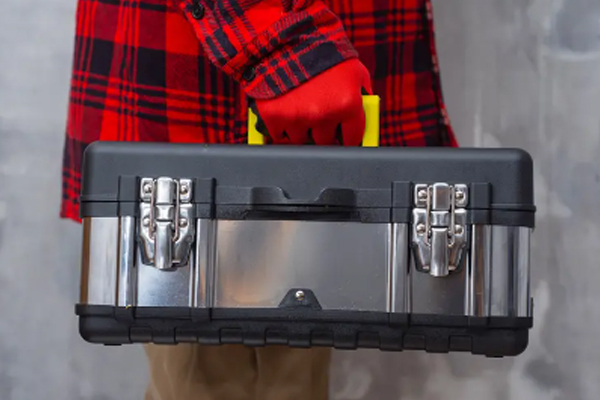
Advantages of Stainless Steel Tool Boxes
Stainless steel tool boxes are widely used in professional environments due to their stable material properties and strong resistance to harsh conditions.
- Strong corrosion resistance, making them suitable for humid or outdoor environments without easy rusting.
- Smooth surface that resists oil and dust buildup, making cleaning easier.
- Good structural stability, maintaining shape and performance even after long-term use.
Advantages of Steel Tool Boxes
Steel tool boxes are widely used in industrial settings, mainly due to their strength and cost-effectiveness, making them suitable for heavy-duty applications.
- Thick steel construction provides strong load-bearing capacity.
- Durable structure suitable for frequent movement and heavy tool storage.
- Lower cost, making them ideal for bulk purchasing or budget-conscious users.
- Surface coatings or finishes can improve basic rust resistance.
How Usage Environment Affects Material Choice
Different working environments require different material properties, and matching the right material improves performance and durability.
- Humid or outdoor environments are better suited for stainless steel to reduce rust risk.
- Industrial workshops or high-frequency transport scenarios are better suited for steel tool boxes due to higher load capacity.
- For home or light-duty use, either material can be chosen based on budget and appearance preference.
How Structural Design Impacts User Experience
Beyond material selection, structural design also plays a key role in usability and safety.
- Multi-drawer designs improve organization and increase tool retrieval efficiency.
- Wheel and handle designs reduce carrying difficulty and improve mobility.
- Locking systems affect safety during transport and storage.
- Internal compartment design helps prevent tools from colliding and getting damaged.
Overall Buying Recommendations
When selecting a tool box, decisions should be based on usage scenarios, tool types, and budget rather than material alone.
- Stainless steel tool boxes are better for outdoor or humid environments.
- Steel tool boxes are more suitable for industrial or heavy-duty applications.
- Structural design and functional details are often more important than material alone.
- Long-term maintenance cost and convenience should be considered in the overall evaluation.
There is no absolute winner between stainless steel and steel tool boxes—the best choice depends on real usage needs. Selecting the right metal material tool box can improve efficiency and extend tool lifespan. If you are looking for durable and professional storage solutions suitable for multiple applications, SIPHIA BOX offers a range of high-quality tool box products designed for both industrial and everyday use.