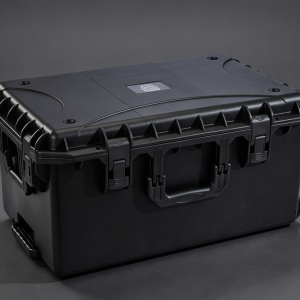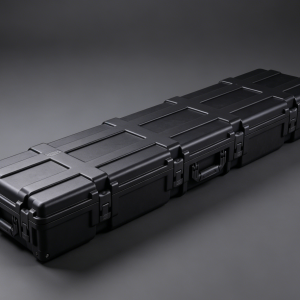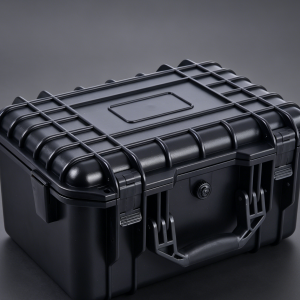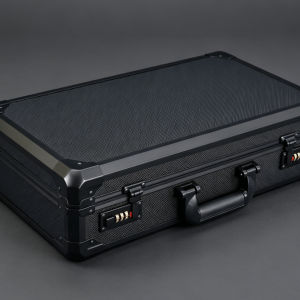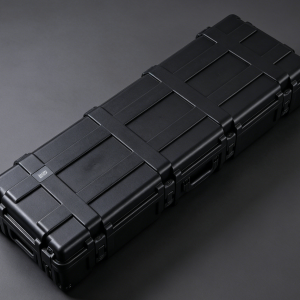
In daily maintenance, industrial production, and home tool storage, the size of a toolbox directly affects efficiency and space utilization. Different types of metal toolboxes are optimized for various tool quantities and usage environments, so understanding common size standards can help you choose the right one to match your needs effectively.
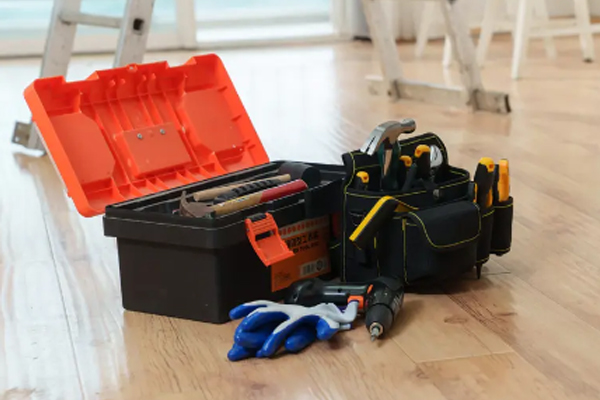
Common Toolbox Size Categories
Toolbox sizes are usually divided based on capacity and usage scenarios, with each specification corresponding to different storage capabilities.
- Small toolboxes are 30–45 cm long, 15–25 cm wide, and 10–20 cm high, suitable for home repairs and light tools.
- Medium toolboxes are 50–65 cm long, 25–30 cm wide, and 20–35 cm high, ideal for automotive repair and general industrial use.
- Large toolboxes are 70–120 cm long, 35–50 cm wide, and 40–60 cm high, mostly used in workshops or for heavy-duty tools.
Different sizes match different work environments, so choose according to the number of tools you need to store.
Toolbox Height and Drawer Design
The height and drawer structure of a toolbox directly affect storage efficiency and user experience, making proper design critical.
- Small toolboxes usually have 1–2 layers, medium 3–4 layers, and large 5 layers or more.
- Drawer heights generally range from 5–12 cm to accommodate different tool sizes.
- Excessive height can make moving the toolbox difficult, while too low limits storage capacity.
A well-designed structure improves organization and accessibility of tools.
Length and Width Considerations
The length and width of a toolbox determine overall capacity and space adaptability, while also affecting portability.
- Longer toolboxes offer more storage but are harder to move.
- Moderate width ensures smooth drawer operation and reduces space usage.
- For rolling toolboxes, controlling the center of gravity is necessary to avoid instability.
Proper proportion design enhances overall stability and usability.
Matching Size with Material and Environment
Choosing the right toolbox size is closely linked to the properties of the metal used and the environment in which it will be used.
- Steel toolboxes have high load-bearing capacity, suitable for large sizes and heavy tools.
- Stainless steel toolboxes are corrosion-resistant but heavier, not ideal for oversized boxes.
- Aluminum toolboxes are lightweight and suitable for medium or small mobile use.
Proper material and size matching improve durability and safety.
Toolbox Size Purchase Tips
When buying a toolbox, consider the usage scenario, the number of tools, and long-term needs for a comprehensive decision.
- For home use, small or medium toolboxes are recommended for easier storage and portability.
- For automotive or workshop use, medium to large toolboxes provide higher storage efficiency.
- In industrial settings, large, reinforced toolboxes are advised to enhance load capacity.
- Pay attention to internal layout to improve tool organization and accessibility.
- Consider the combination of metal material and size to ensure long-term stability.
Selecting the right toolbox size requires evaluating the environment, tool types, and metal properties; only a properly matched toolbox can truly improve storage efficiency and workflow. If you are looking for high-quality toolboxes with multiple size options, SIPHIA BOX offers professional-grade metal toolboxes to meet a wide range of usage scenarios.