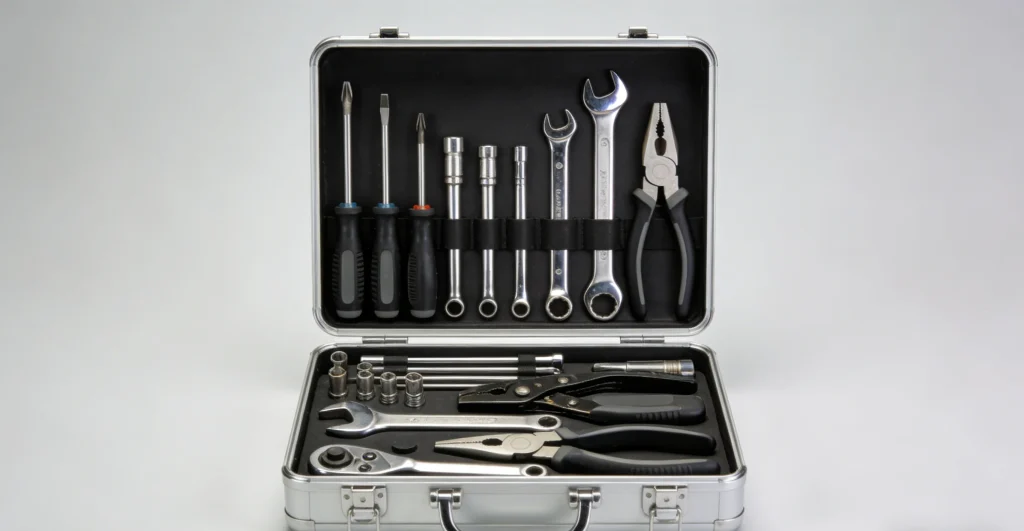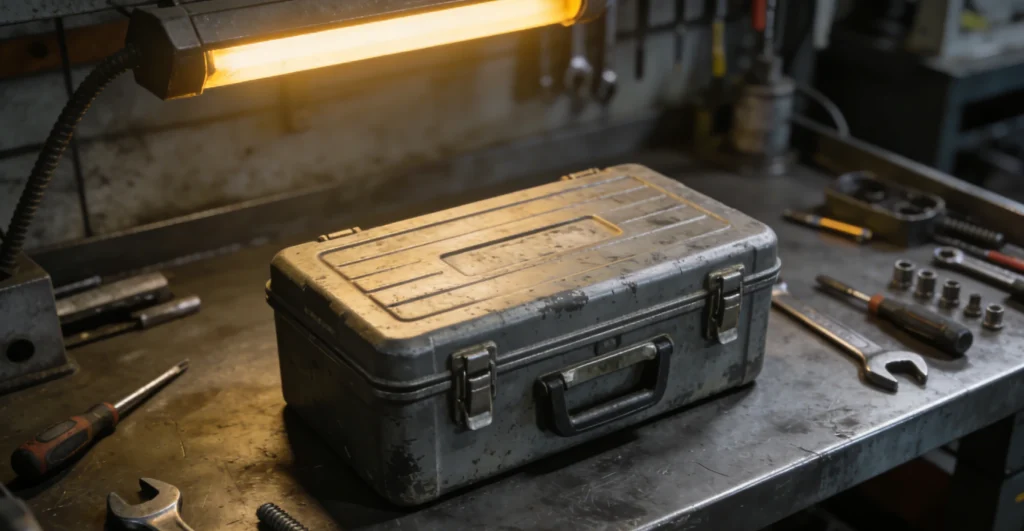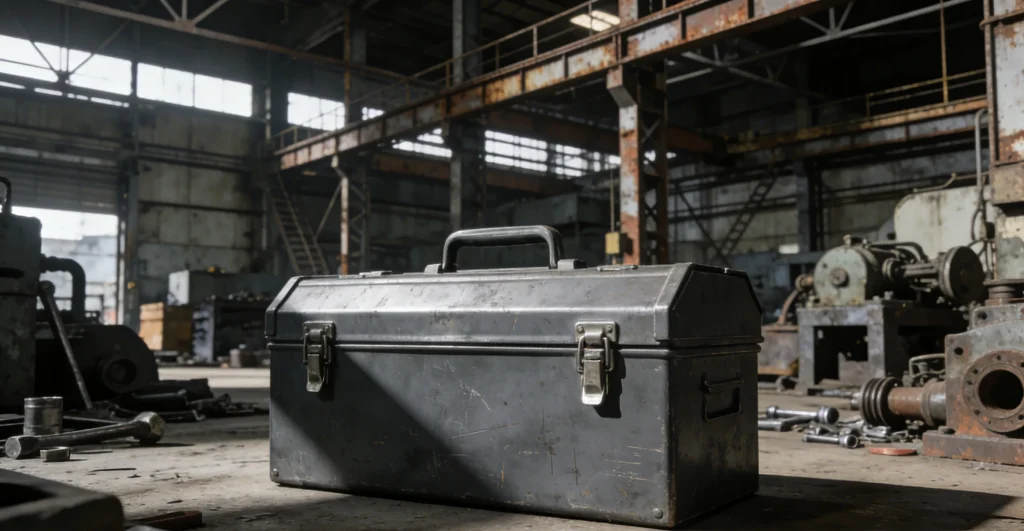
A mechanical toolbox is a commonly used tool storage device in mechanical repair, equipment installation, industrial production, and engineering maintenance. It is mainly used for organizing, carrying, and protecting various mechanical tools. Since the tools used in the mechanical industry are diverse, including wrenches, sockets, measuring instruments, disassembly tools, and spare parts, choosing a suitable mechanical toolbox is important for improving work efficiency and protecting tools. Different working environments have different requirements for toolboxes. For example, factory maintenance workers need toolboxes with stronger load-bearing capacity, mobile repair workers focus more on portability, while precision equipment maintenance personnel pay more attention to internal protection design.
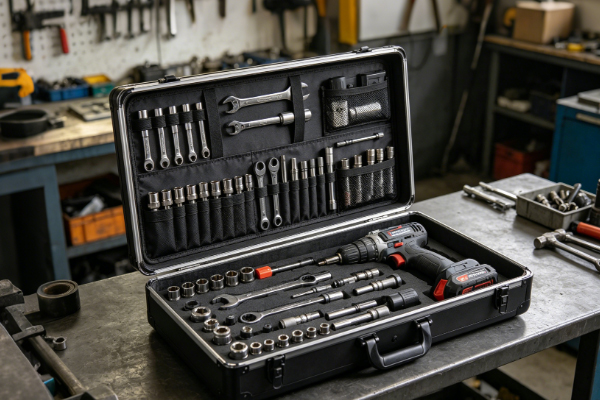
If the toolbox is not suitable, problems such as insufficient capacity, disorganized tool placement, or damage after long-term use may occur. A suitable mechanical toolbox should not only meet tool storage requirements but also consider material, structure, size, and working environment. A well-designed toolbox can help workers quickly find the required tools, reduce organization time, and lower the risk of damage caused by tool collisions. Therefore, when choosing a mechanical toolbox, it is necessary to make a comprehensive judgment based on the type of work and tools used, and select a product that truly meets the actual application requirements.
Determine the Toolbox Type According to Usage Requirements
Choose a Practical Toolbox for Daily Maintenance
For ordinary mechanical maintenance workers, daily tasks usually require carrying commonly used tools such as wrenches, screwdrivers, pliers, and measuring tools. This type of work does not necessarily require an extremely large toolbox but focuses more on whether tools can be classified conveniently and whether the toolbox is easy to carry. Practical mechanical toolboxes usually have relatively simple internal designs but can meet daily maintenance requirements. Workers can place frequently used tools in easily accessible areas and store backup tools in deeper sections.
When selecting, attention can be paid to:
- Whether the toolbox has internal compartments
- Whether the opening and closing process is convenient
- Whether the handle is strong and durable
- Whether the box body can withstand the weight of daily tools
If the toolbox is mainly used for equipment inspections, small repairs, or on-site maintenance, a medium-capacity toolbox is usually sufficient. An oversized toolbox not only increases carrying burden but may also waste storage space.
Choose a Reinforced Toolbox for Industrial Maintenance
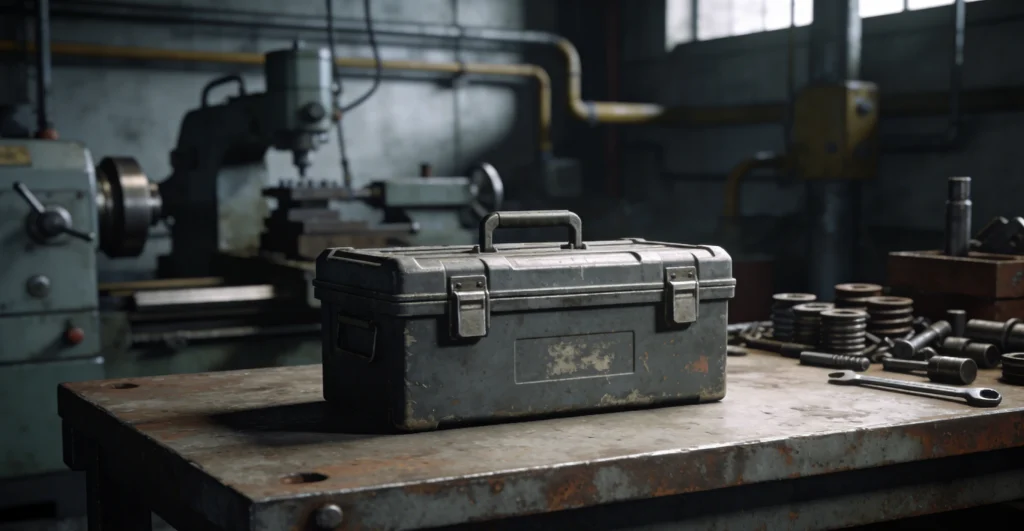
Mechanical maintenance work in industrial environments is usually more complex and requires more and heavier tools. Therefore, industrial maintenance workers need to pay more attention to toolbox strength and load-bearing capacity when choosing a toolbox. For example, factory equipment maintenance personnel may need to carry socket sets, torque wrenches, large pliers, and spare parts. If the toolbox structure is not strong enough, storing heavy tools for a long time may cause deformation.
Reinforced mechanical toolboxes usually feature:
- Thicker box materials
- Stronger connection structures
- Higher load-bearing capacity
- Better impact resistance
These toolboxes are suitable for long-term use and can meet high-intensity maintenance requirements.
What Performance Features Should Be Considered When Choosing a Mechanical Toolbox?
Choose Material According to Tool Weight
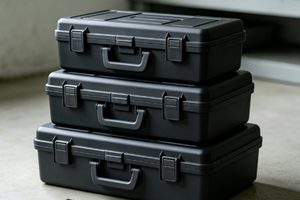
The material of a mechanical toolbox directly affects its service life and load-bearing capacity. Common materials currently include steel, aluminum alloy, and high-strength plastic. Steel toolboxes have high strength and are suitable for storing heavier mechanical tools. They are commonly used in factory maintenance and fixed working areas. Aluminum alloy toolboxes are relatively lightweight and have good corrosion resistance, making them suitable for maintenance workers who frequently move between locations. Plastic toolboxes have lower weight and are easy to carry, making them more suitable for storing ordinary repair tools. When selecting materials, the actual tool weight should be considered. If there are many tools and they include large metal tools, priority should be given to toolboxes with stronger load-bearing capacity.
Choose Capacity According to the Number of Tools
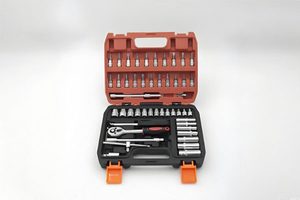
Mechanical tools come in many types, so toolbox capacity is an important factor to consider when purchasing. If there are only a few tools and only basic repair tools need to be stored, a small toolbox can be selected for easier carrying. If a complete socket set, testing equipment, and spare parts need to be stored, a larger-capacity model is required. Capacity selection should not only consider external dimensions but also the actual internal usable space. Some toolboxes may appear large externally, but due to unreasonable internal design, the actual storage capacity may be limited.
A reasonable capacity should meet:
- Current tool storage requirements
- Future tool expansion needs
- Tool classification and management requirements
This can prevent insufficient storage space after using the toolbox for a period of time.
Choose Protective Design According to Working Environment
Mechanical maintenance environments often involve oil, dust, impacts, and other conditions, so toolbox protection performance is also very important. If the working environment is complex, it is recommended to choose toolboxes with dustproof, moisture-resistant, and impact-resistant designs. For outdoor maintenance workers, a toolbox with good sealing performance can reduce rainwater and dust entering the interior.
Some professional mechanical toolboxes also include:
- Anti-slip foot pads
- Rust-resistant locks
- Shock-absorbing inner lining
- Reinforced frames
These designs can improve toolbox stability and extend the service life of both tools and the toolbox itself.
How to Evaluate the Structural Design of a Mechanical Toolbox?
Layered Structures Make Management Easier
Mechanical repair involves many tools. If the internal layout of the toolbox is not properly planned, tools can easily become disorganized during use. A toolbox with layered storage design can separate different types of tools. For example, commonly used small tools can be placed on the top layer, assembly and disassembly tools in the middle layer, and heavier equipment in the bottom section. This design helps workers quickly locate tools while reducing collisions between tools.
Locks and Handles Affect User Experience
Mechanical toolboxes often need to be moved, so the quality of locks and handles is very important. High-quality locks can prevent the toolbox from accidentally opening during transportation and reduce the possibility of tools falling out. Strong handles can support the weight of tools and prevent breakage during carrying.
Internal Protection Design Should Not Be Ignored
Some mechanical tools are precision equipment, such as measuring tools and testing instruments. These tools are easily affected by collisions. If the toolbox has soft protective layers or fixing structures inside, it can reduce tool movement and collisions, improving protection performance.
Frequently Asked Questions
Is a Larger Mechanical Toolbox Always Better?
No. The toolbox size should be selected according to the actual number of tools. If there are only a few tools, choosing an oversized toolbox will increase weight and make carrying inconvenient. If there are many tools, choosing a toolbox that is too small will not meet storage requirements. A suitable capacity is the more practical choice.
Are Aluminum Alloy Toolboxes Suitable for Mechanical Maintenance?
Yes. Aluminum alloy toolboxes are lightweight and have good corrosion resistance, making them suitable for maintenance workers who frequently move between locations. If storing particularly heavy and large tools, the toolbox load-bearing capacity should be confirmed first.
Should a Mechanical Toolbox Have Wheels?
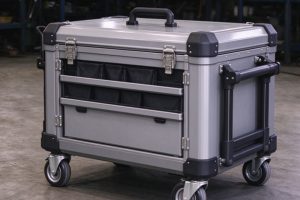
It depends on the working environment. If the toolbox frequently needs to be moved over long distances, a wheeled design can reduce transportation effort. If it is mainly used in a fixed maintenance area, a standard hand-carry toolbox is usually sufficient.
Choosing a mechanical toolbox requires considering tool types, working environment, capacity requirements, and material structure. A suitable toolbox can not only store various mechanical tools but also help workers manage and use tools more easily. When purchasing, it is necessary to confirm whether the toolbox meets daily usage requirements, such as whether it can withstand tool weight, whether the internal space allows convenient classification, and whether the carrying method matches working habits. Choosing the right mechanical toolbox can make tool storage more organized, reduce the time spent searching for tools, protect tool condition, and make daily maintenance work more efficient.