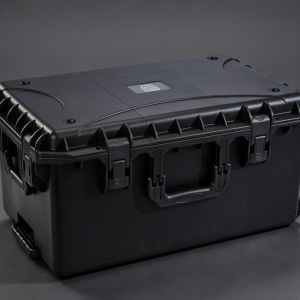
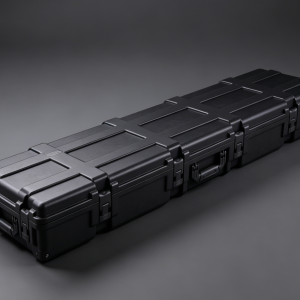
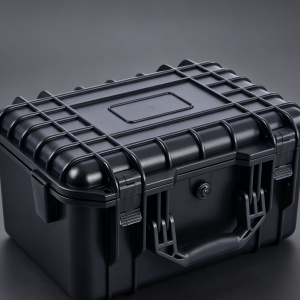
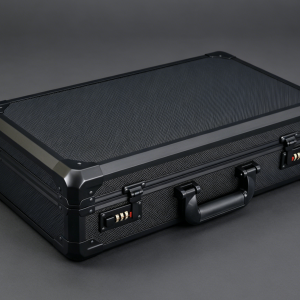
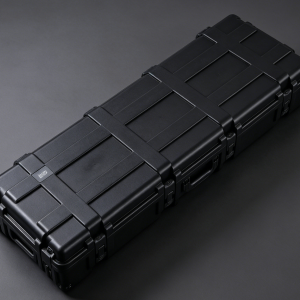
The number of equipment units in smart workshops continues to grow, while maintenance tasks are becoming more specialized. Tool management needs to keep pace with changes in the production environment. Maintenance personnel need to quickly find the required tools, keep them stable during movement, and make tool use, return, and maintenance more organized. Box-style tool carts can integrate storage organization, mobility safety, tool management, and customized design to bring scattered maintenance tools together and better match modern workshop operations.
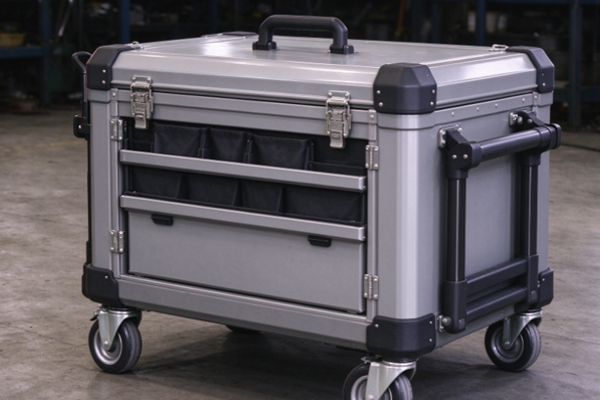
Improving Tool Storage Efficiency Through Modular Structures
Smart workshops use tools in different types and quantities, while fixed storage arrangements can result in inefficient use of available space. The internal structure of a box-style tool cart should be planned according to the actual tool combination.
Drawer Compartments for Different Tools
Different tools can be classified according to size, purpose, and frequency of use to reduce search time. Frequently used tools can be placed in convenient locations, precision tools can be stored separately, and small accessories can be organized in divided compartments. Clear storage zones make tools easier to access and organize while supporting a more efficient and orderly workflow.
Adjustable Internal Structures for Changing Tool Requirements
Workshop maintenance requirements may change over time, so the internal structure of the tool cart needs to provide a certain degree of flexibility.
- Customized EVA Slots: Positions can be planned according to tool shapes to keep tools relatively stable during movement.
- Adjustable Divided Areas: Storage sections can be modified according to changes in tool sizes and quantities, reducing unused space.
- Reinforced Support for Heavy Tools: Large wrenches, power tools, and other heavy equipment require stable support areas to reduce the effects of long-term loading on the internal structure.
A well-designed internal structure allows the same tool cart to adapt to different stages of maintenance work.
Adapting to Workshop Operations Through Mobility and Safety Structures
Box-style tool carts need to move frequently between equipment areas. The cart structure should not only make pushing easier but also reduce safety risks during transportation and parking.
Mobility Structures Should Match the Workshop Environment
Workshop aisles, equipment spacing, and the loaded weight of the tool cart can all affect mobility.
- Wheels Selected According to Load: When the cart carries many heavy tools, the wheel structure should be selected according to the overall load capacity.
- Steering Adapted to Aisles: The tool cart should be able to change direction smoothly between equipment and reduce movement difficulties in narrow areas.
- Appropriate Handle Height: The pushing position should match common operating postures to make short-distance transportation easier for maintenance personnel.
Matching the mobility structure to the working environment can make tool transportation more stable.
Reliable Stability for Drawers and the Cart Body
A tool cart may contain many metal tools, and both open drawers and cart movement can affect its center of gravity. Reliable drawer locking, single-drawer interlocking for multiple heavy drawers, and wheel brakes can improve the stability of the tool cart during routine maintenance and make operation safer and more convenient.
Making Tool Management Better Match Smart Workshop Processes
Smart workshops emphasize standardized workflows, and tool management also needs to move beyond simple storage toward clearer usage records and return procedures.
Establishing Clear Tool Identification Methods
When a large number of tools are involved, different tools can be distinguished through identification numbers, labels, or other identification methods.
- Assigning Fixed Locations to Tools: Each frequently used tool can have a designated storage position, making it easier to identify missing tools.
- Establishing Tool Information: Tool names, specifications, and usage status can be recorded according to the company’s internal management practices.
- Standardizing Return Procedures: Tools can be returned to their designated positions after use, reducing the chance of tools remaining near equipment or in other areas.
A consistent identification and return method can reduce manual searching and repeated inventory checks.
Configuring Tool Combinations According to Maintenance Tasks
Tool cart configurations can be adjusted around actual maintenance tasks, making tool preparation more targeted.
- Configuring Tools by Equipment Type: Common maintenance tools for different equipment can be organized together to reduce repeated trips to retrieve tools.
- Organizing Tools by Task: Required tools can be prepared before maintenance and arranged according to the sequence of use.
- Checking Tool Condition After Use: Tool quantity, appearance, and condition can be checked when tools are returned, allowing abnormalities to be addressed promptly.
Connecting tool configurations with maintenance procedures can reduce the gap between storage arrangements and actual work requirements.
Customizing Tool Carts According to Smart Workshop Conditions
Different workshops vary in layout, equipment quantity, and tool configurations. Box-style tool carts should be designed around actual conditions rather than simply increasing storage capacity.
Planning the Cart Structure According to Available Space
Tool cart dimensions need to match workshop aisles and equipment areas.
- Controlling Cart Dimensions in Narrow Areas: Reducing the space occupied by the cart helps personnel move through the area normally.
- Increasing Storage Space When More Tools Are Required: The number of drawers and internal capacity can be planned according to the actual quantity of tools.
- Matching Movement Routes to Equipment Layout: Cart dimensions, wheels, and handle structures should meet the movement requirements of the workshop.
Proper control of cart dimensions allows the tool cart to integrate more naturally into the production area.
Planning Functional Configurations According to Usage Requirements
The functional design of a tool cart should be based on actual management and operating methods.
- Reserving Equipment Placement Areas: When electronic terminals or other auxiliary equipment are required on site, appropriate placement space can be planned in advance.
- Organizing Internal Cables: When electronic equipment is used, suitable cable routing areas can be planned to reduce clutter.
- Maintaining Space for Structural Adjustments: When tool combinations change, internal areas can be reorganized to extend the useful service life of the tool cart.
Customized design allows the cart dimensions, internal structure, and operating method to better match specific workshop conditions.
Modern smart workshops require clearer tool organization and place higher demands on the mobility and adaptability of tool carts. Through overall structural design, box-style tool carts can improve the storage and transportation of maintenance tools while supporting daily management through standardized identification and return procedures. SIPHIA BOX can plan box-style tool cart structures according to workshop space, tool specifications, load requirements, and actual operating needs, providing targeted customized storage solutions for mechanical maintenance, equipment servicing, and related applications.