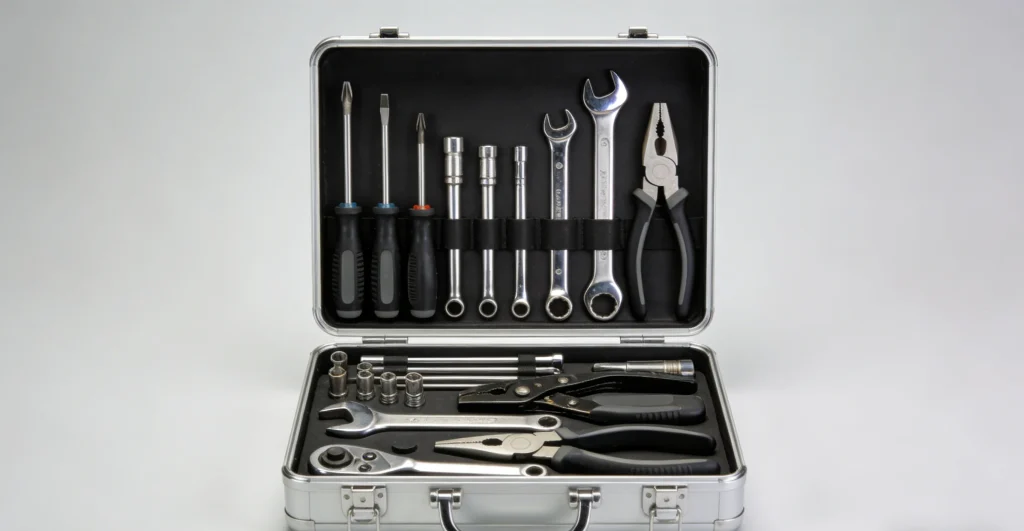
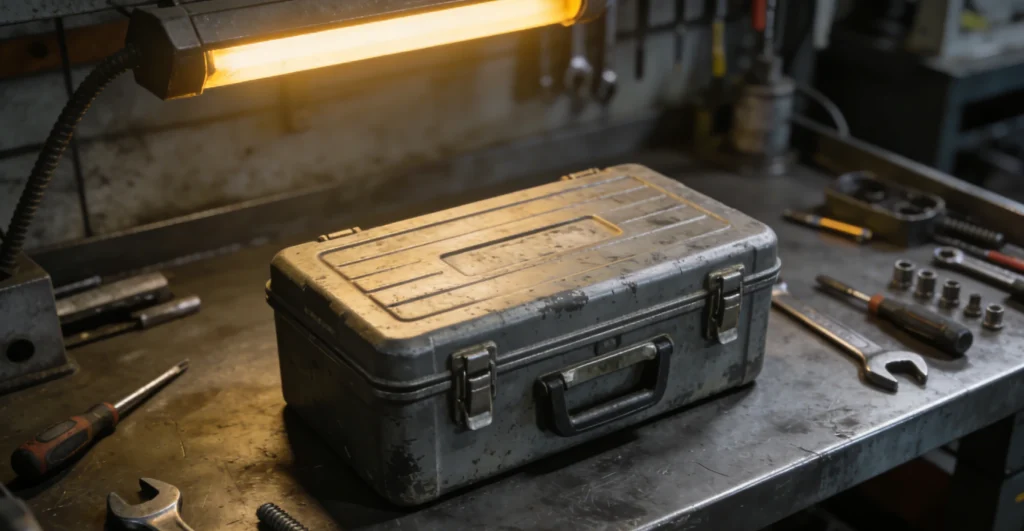
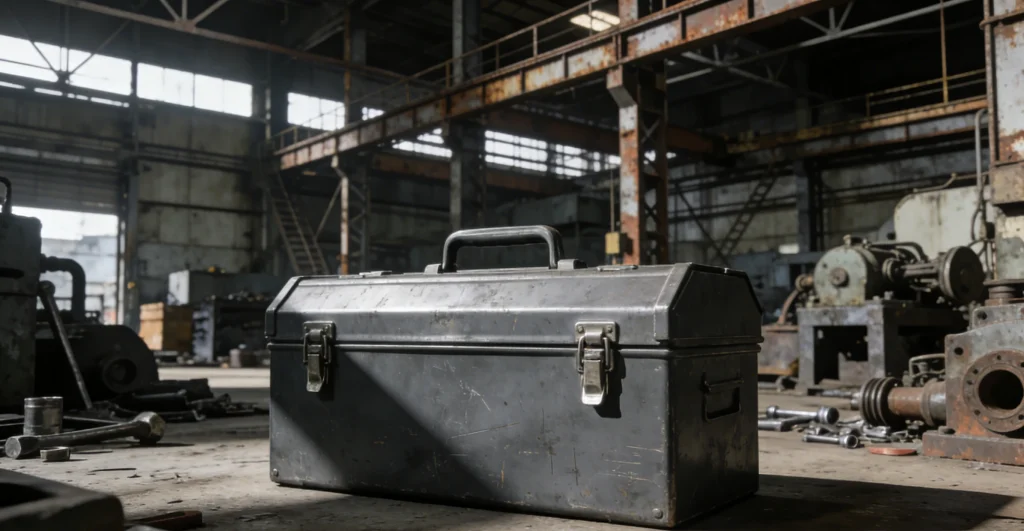
The configuration of a professional rolling toolbox needs to take into account tool weight, size, quantity, and working environment. Manufacturing workshops place greater emphasis on load capacity and accessibility, equipment maintenance requires both tool classification and precision tool protection, while engineering installation focuses more on transportation and ground adaptability. Adjusting the box, drawers, lining, and wheel structure according to actual work requirements allows the toolbox to better meet on-site needs.
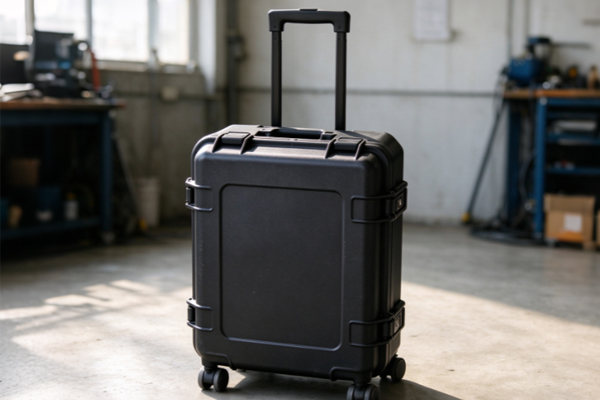
How to Configure Rolling Toolboxes for the Manufacturing Industry
Manufacturing workshops use a wide range of tools with significant differences in size and weight. The toolbox needs to balance storage efficiency and operational stability.
Plan Storage Areas by Tool Type
Manufacturing tools vary considerably in specification, so the internal space can be divided according to actual usage requirements.
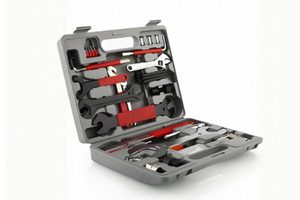
- Classify Hand Tools: Wrenches, sockets, screwdrivers, pliers, and other hand tools can be assigned to dedicated areas to reduce mixing between different tools.
- Store Precision Tools Separately: Measuring tools and other precision instruments can be placed in dedicated positions to reduce the chance of contact with heavy tools.
- Use Compartments for Small Accessories: Fasteners, cutting tools, and other loose accessories can be stored in divided compartments for easier identification and counting.
A well-organized layout makes tools easier to access and simplifies daily organization.
Place Heavy Tools in Lower Areas
Tool weight directly affects the overall stability of a rolling toolbox, so heavy equipment should be positioned lower in the unit.
- Store Heavy Items at the Bottom: Large wrenches, power tools, and other heavy equipment should be placed in bottom drawers or lower sections.
- Control the Center of Gravity: Avoid concentrating heavy items in upper sections to reduce the effect of a high center of gravity during movement.
- Use Drawer Interlocks: Multiple drawers can be equipped with reliable locking and single-drawer interlock mechanisms to reduce forward center-of-gravity movement caused by opening multiple drawers at the same time.
Placing heavy tools in lower areas together with stable structural features can improve toolbox safety during use.
Select Mobility Structures According to Workshop Space
Workshop aisles and equipment layouts directly affect how a toolbox can be moved, so the mobility structure needs to match the working environment.
- Wheel Load Capacity: When the toolbox carries a heavy load, the load capacity of the wheels should match the total weight of the unit.
- Flexible Steering: Areas with dense equipment require good maneuverability so the toolbox can move conveniently between workstations.
- Suitable Handle Height: The handle height should suit common pushing postures and make short-distance transportation easier.
When the mobility structure matches the workshop environment, the toolbox can support daily production operations more smoothly.
How to Configure Rolling Toolboxes for Equipment Maintenance
Equipment maintenance involves a wide variety of tools, so the internal configuration needs to balance quick access, organized storage, and tool protection.
Provide Convenient Access to Frequently Used Tools
Tools used frequently during maintenance should be placed in easily accessible positions to reduce searching.
- Keep Common Tools Together: Frequently used wrenches, screwdrivers, pliers, and similar tools can be placed in commonly accessed drawers.
- Store Backup Tools Separately: Tools used less frequently can be stored independently to avoid interfering with access to common tools.
- Adjust According to Tasks: Tool storage areas can be reorganized according to different maintenance tasks to improve preparation efficiency.
Planning storage positions according to usage frequency allows maintenance personnel to prepare their tools more efficiently.
Use Dedicated Protection for Precision Tools
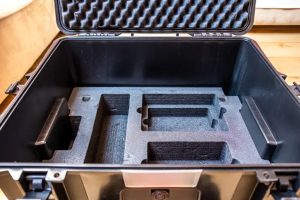
Inspection tools are sensitive to impact and compression and require targeted protection. Vernier calipers, micrometers, and similar tools can be secured in dedicated slots, with cushioning inserts shaped according to the tools to reduce impact during movement. Anti-static inserts can also be selected for specialized maintenance environments where electrostatic control is required. Independent protective structures can reduce the risk of direct contact between precision tools and other equipment.
Select Toolbox Protection According to the Working Environment
Different equipment maintenance locations expose toolboxes to different environmental conditions.
- Dusty Environments: The box structure should reduce the opportunity for dust to enter the interior.
- Oil-Contaminated Environments: Internal and external materials and structures should facilitate routine cleaning and maintenance.
- Damp Areas: Appropriate protective configurations should be selected according to site humidity and usage conditions.
Adjusting the box structure according to the actual environment can make the toolbox more suitable for long-term maintenance work.
How to Configure Rolling Toolboxes for Engineering Installation
Engineering installation requires large numbers of tools to be transported between different work areas. The toolbox needs to balance load capacity, mobility, and site adaptability.
Plan Capacity According to the Number of Tools
Engineering installation involves many types of tools, and proper internal capacity planning can reduce tool stacking.
- Create Separate Areas for Power Tools: Drills, impact tools, and similar equipment can be assigned dedicated areas to prevent them from being mixed with small tools.
- Classify Hand Tools: Wrenches, screwdrivers, and pliers can be stored by type for quick access on site.
- Centralize Auxiliary Accessories: Fasteners and small accessories can be managed using divided compartments.
Clearly defined storage areas can improve the use of internal toolbox space.
Place Heavy Tools in Lower Positions
Engineering tools vary considerably in weight, and the loading arrangement affects stability during movement.
- Store Heavy Tools at the Bottom: Impact tools, drills, and other heavy equipment should be placed in bottom or lower sections.
- Control Load Distribution Between Drawers: Tools should be arranged according to the actual load capacity of each drawer to avoid excessive concentration of weight in one section.
Proper positioning of heavy tools can help the toolbox remain more stable during transportation.
Select Wheels According to Ground Conditions
Engineering sites may have complex ground conditions, so wheels should be selected according to the actual environment. Larger wheels with suitable diameters can be used for uneven surfaces, while frequent movement requires attention to wheel wear resistance. When the toolbox needs to remain stationary, casters with brakes can be configured. Matching the wheels to the ground conditions can improve toolbox mobility in engineering areas.
Key Details for Customizing Professional Rolling Toolboxes
Tool combinations vary between companies, so customized designs can be adjusted according to actual tool dimensions, weight, and usage methods.
Design the Internal Structure According to Tool Dimensions
The internal structure should match tool shapes to avoid wasted space or difficulties securing tools.
- Customized Slots: Positions can be planned according to tool contours so frequently used tools have clearly defined storage locations.
- Divided Areas: Appropriate spacing can be provided for tools of different sizes to reduce contact between them.
- Reserve Adjustment Space: When tool combinations change, some storage areas can be reorganized accordingly.
Designing around tool dimensions allows the available toolbox space to be used more effectively.
Plan Load-Bearing Structures According to Tool Weight
Different tool weights create different load requirements for drawers and the toolbox body, so the structure needs to be properly configured. The load range of each drawer can be planned according to tool weight, heavy items can be placed at the bottom to lower the center of gravity, and structures such as drawer locks and single-drawer interlocks can be incorporated to reduce the risk of tipping. Proper load-bearing planning can help the rolling toolbox remain more stable when loaded.
Configure Wheels and Handles According to Mobility Requirements
The mobility structure directly affects the operating experience of the toolbox and needs to be designed around usage frequency and movement routes.
- Wheel Size: Select suitable wheel specifications according to toolbox weight and ground conditions.
- Wheel Configuration: Combine different wheel types according to straight-line movement, turning, and parking requirements.
- Handle Structure: Plan the handle position according to toolbox height and pushing method for easier operation.
Integrating the mobility components with the toolbox structure allows the unit to better suit specific working environments.
Different industries have different priorities when selecting professional rolling toolboxes. Manufacturing focuses on load capacity and storage, equipment maintenance emphasizes tool protection and accessibility, while engineering installation places greater emphasis on mobility. Actual configurations should be based on tool specifications, weight, quantity, and working environment. SIPHIA BOX can plan the box, drawer, lining, and wheel structures according to customers’ tool configurations, loading requirements, and application scenarios, providing customized professional rolling toolbox solutions for manufacturing, maintenance, engineering installation, and related applications.