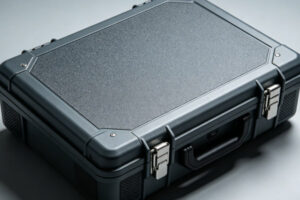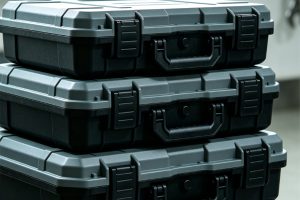
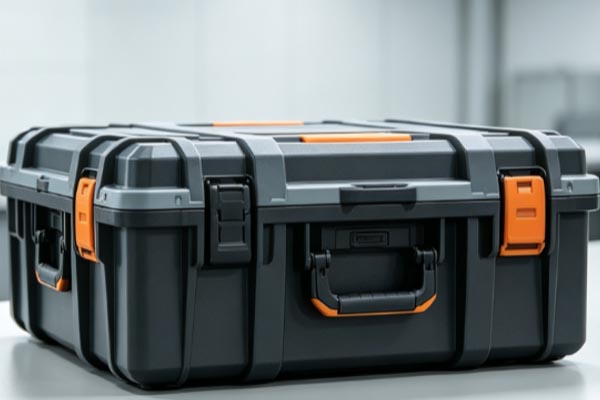
As the number of tools increases, traditional single-unit toolboxes can become limited in terms of capacity, organization, and portability. Stackable toolboxes feature a top-and-bottom combination design, independent storage, and flexible expandability, allowing them to be adjusted according to tool types, work tasks, and operating environments. Multiple boxes can be used separately or combined into a complete mobile storage system, making them suitable for industries that require frequent transportation, categorized management, and on-site operations.
The Automotive Repair Industry Is Suitable for Using Stackable Toolboxes
Automotive repair involves multiple systems, including engines, chassis, electrical systems, tires, and vehicle bodies. Different repair projects require a large number of tools in various specifications. Stackable toolboxes can be configured according to specific repair tasks, making tools easier to organize and transport.
Suitable for Storing Various Types of Tools in Repair Workshops
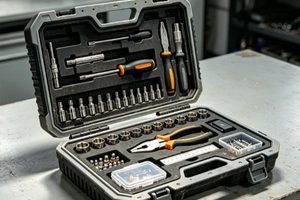
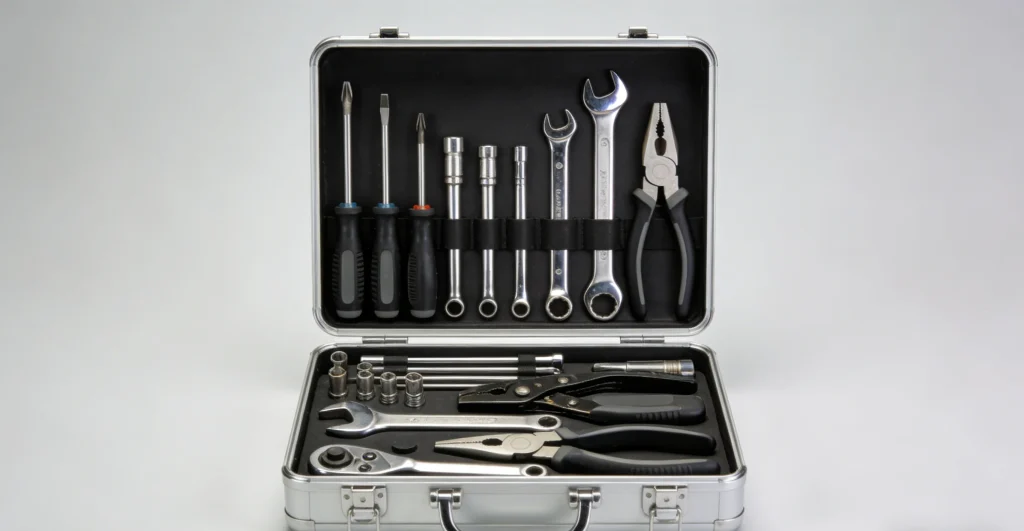
Automotive repair technicians typically use wrenches, sockets, screwdrivers, pliers, testing equipment, and small accessories. Stackable toolboxes can allocate different tools to separate boxes:
- Common hand tools can be placed in the upper box for easy access;
- Sockets, adapters, and screwdriver bits can be categorized by specification;
- Screws, washers, clips, and other small accessories can be stored in compartmentalized boxes;
- Testing instruments and precision tools can be assigned dedicated storage space to reduce the risk of impact.
Technicians can carry the modules required for the day’s tasks, avoiding the need to move all tools to the workstation at once.
Suitable for Mobile Repairs and Multi-Station Operations
Automotive repair workshops often require movement between lifts, inspection areas, and maintenance zones. Toolboxes equipped with wheels or compatible bases can reduce the burden of transportation and allow technicians to bring tools directly to the vehicle. After the work is completed, the toolboxes can be returned to a centralized location, making tool organization, inventory checks, and storage easier while also helping maintain a clean workshop.
The Industrial Maintenance and Machinery Manufacturing Industries Are Suitable for Using Stackable Toolboxes
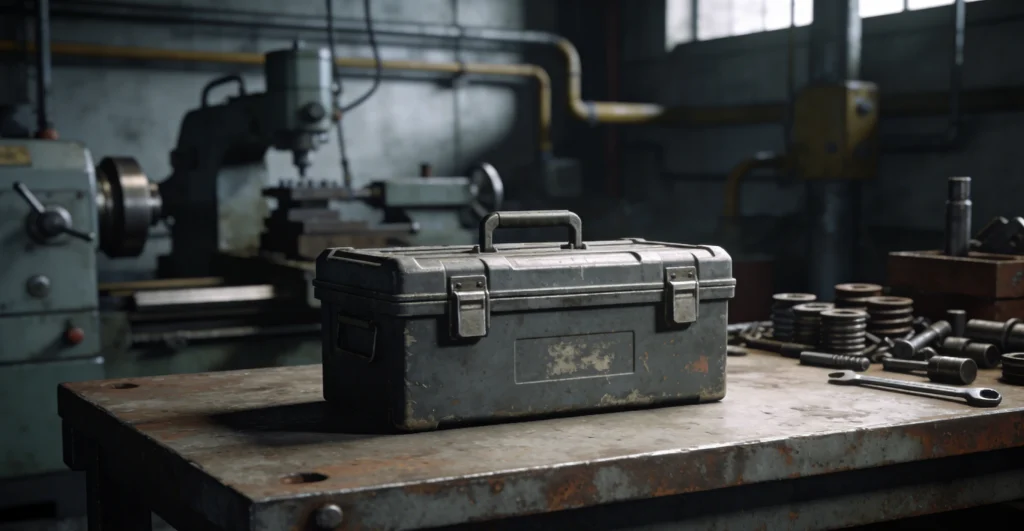
Industrial equipment maintenance places high demands on tool quantity, load-bearing capacity, and management standards. Production lines, machining workshops, and equipment maintenance departments typically need to store large numbers of tools over long periods. The stackable structure makes full use of vertical space.
Suitable for Categorized Management of Professional Tools
Machinery manufacturing involves measuring, assembly, adjustment, and maintenance tools. Different boxes can correspond to different work categories:
- Precision tools such as calipers, micrometers, and dial indicators can be stored separately;
- Wrenches, sockets, and screwdrivers can be categorized by equipment or process;
- Power tools and charging equipment can be stored in larger-capacity boxes;
- Special fixtures and maintenance accessories can be assigned independent modules.
A clear classification system helps reduce search time and makes it easier for workers to complete tool inventories.
Suitable for Optimizing Space Within Factories
Factory workshops need to accommodate equipment, materials, and personnel traffic. Stackable toolboxes can expand vertically, reducing the amount of horizontal floor space required. Different departments can configure tool modules according to job roles. After completing a task, maintenance personnel can stack the boxes or return them to designated areas, making it easier to establish a unified tool management system.
The Construction and Electromechanical Installation Industries Are Suitable for Using Stackable Toolboxes
Construction sites are typically characterized by dispersed work areas, rapidly changing environments, and complex tool requirements. Stackable toolboxes can be flexibly configured according to project stages, adapting to different tasks such as installation, commissioning, and maintenance.
Suitable for Carrying Power Tools and Installation Accessories
Electromechanical installation personnel often need to carry drills, impact wrenches, measuring instruments, screwdrivers, and large quantities of connectors. Stackable toolboxes can be configured according to function:
- Power tools can be placed in boxes with stronger load-bearing capacity;
- Drill bits, screwdriver bits, and saw blades can be stored in small organizer boxes;
- Bolts, nuts, terminal blocks, and other accessories can be separated by specification;
- Drawings, inspection records, and safety supplies can be assigned dedicated storage space.
Construction workers can select the boxes required for the day’s tasks, reducing the space occupied by unnecessary tools.
Suitable for Transportation and Allocation in Complex Worksites
Large-scale construction projects often involve multiple floors, equipment rooms, and work areas, requiring tools to be transported between different locations.
- Multiple boxes can be stacked vertically to reduce transportation space;
- Boxes can be configured separately according to floors, equipment rooms, or work areas;
- Wheels or handles can be used to adjust tool positions;
- Locking mechanisms improve connection stability and reduce the risk of items falling out during transportation;
- Dustproof and waterproof structures are suitable for dusty or humid environments;
- Durable boxes can withstand frequent movement and long-term use.
Properly configuring stackable toolboxes can make tool allocation more efficient and organized in large-scale construction projects.
The Property Maintenance, Warehousing, and Service Industries Are Suitable for Using Stackable Toolboxes
Property management, warehouse operations, and on-site repair services involve various maintenance tasks related to lighting, plumbing and electrical systems, doors and windows, air conditioning, shelving, and conveying equipment. Tools are used frequently and work locations are often dispersed. Modular storage helps workers configure tools according to specific needs.
Convenient for Unified Management in Property and Facility Maintenance
Stackable toolboxes can store tools with different functions separately:
- Plumbing and electrical repair tools can be stored in independent boxes;
- Lighting and low-voltage electrical testing equipment can be stored separately;
- Common consumables and spare parts can be organized in one place;
- Frequently used tools can be placed at the top or front for quick access.
Fixed storage locations facilitate tool returns, inventory checks, and handovers, reducing the likelihood of loss.
Improving Efficiency in Warehousing and On-Site Services
Warehouses can move toolboxes to shelving, conveying equipment, or material-handling tools for maintenance and repairs. On-site repair teams can configure the boxes according to customer requirements and bring commonly used tools, spare parts, and testing equipment all at once. Companies can also configure standardized tool combinations for different positions, making personnel handovers and task assignments more convenient.
Stackable toolboxes are suitable for work environments with a wide variety of tools, dispersed work locations, flexible expansion requirements, and standardized management needs. Their modular structure helps companies configure tools according to job roles and tasks, reduce unnecessary carrying, and improve tool storage, handover, and maintenance processes. SIPHIA BOX provides tool storage solutions for professional work environments, helping companies select suitable box combinations and supporting designs according to their actual needs.