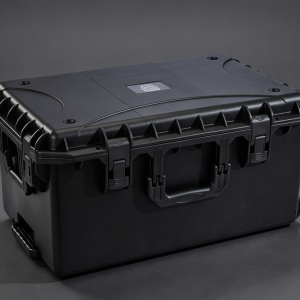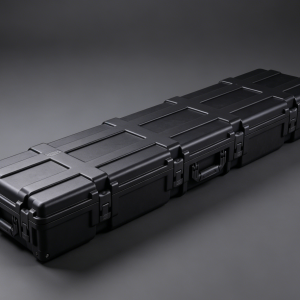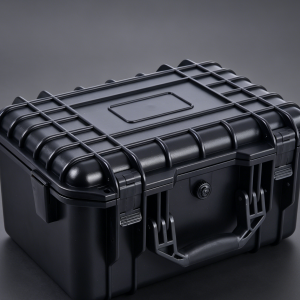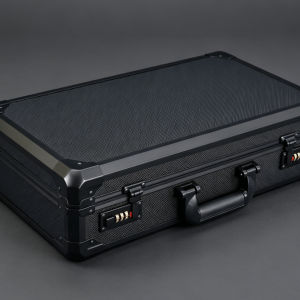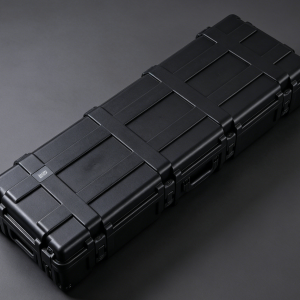
Plastic toolboxes are frequently subjected to handling, opening and closing, stacking, transportation, and contact with different surfaces. As a result, the toolbox body and bottom may experience friction against floors, shelves, vehicle compartments, and other objects. Wear resistance can influence the long-term appearance, durability, and structural condition of the product. Common plastic materials such as PP, ABS, and HDPE have different levels of hardness, toughness, and surface performance. With appropriate material formulations and manufacturing processes, these materials can be used to produce toolboxes suitable for household repairs, automotive maintenance, mechanical servicing, electrical installation, outdoor construction, and other applications.
A high-quality plastic toolbox does not rely solely on the material itself to achieve good wear resistance. Material properties, wall thickness, bottom reinforcement, surface characteristics, and structural design work together to improve resistance to everyday wear. Users who frequently store metal wrenches, sockets, pliers, and other heavy tools may expose the toolbox to greater friction and impact during transportation. Choosing a toolbox with good wear resistance can help maintain the body structure and extend its practical service life.
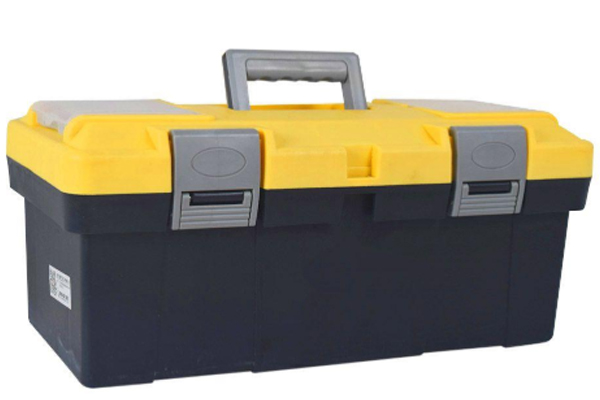
Where Is the Wear Resistance of Plastic Toolboxes Mainly Reflected?
The wear resistance of a plastic toolbox can generally be observed on the body surface, bottom, corners, handle connection areas, and internal storage sections. The bottom is one of the areas most likely to contact rough surfaces when the toolbox is moved or repeatedly placed on the ground. Corners may experience friction during transportation and stacking, while internal trays can remain in contact with metal tools for long periods.
Plastic materials with good wear resistance can maintain relatively stable surface conditions after repeated friction, helping reduce obvious scratches, localized wear, and material loss. Minor surface scratches are normal signs of use and do not necessarily indicate structural damage.
For industrial applications, wear resistance becomes even more important because workers may lift, move, and place toolboxes several times a day. Structural designs can also reduce direct contact between the main body and the ground. For example, reinforced bottom areas or support feet can concentrate wear on designated contact points, improving long-term durability.
How Do Different Plastic Materials Affect Wear Resistance?
The plastic material used for a toolbox can influence its hardness, toughness, and surface durability. PP is relatively lightweight and offers good impact resistance and chemical resistance, making it widely used for portable storage boxes and toolboxes. ABS provides good rigidity, dimensional stability, and surface finishing characteristics, making it suitable for toolboxes that need to balance appearance and structural performance. HDPE offers strong impact resistance and environmental durability and can be suitable for demanding work environments.
There is no single material that provides the highest wear resistance for every application. Actual performance can also be affected by material formulation, additives, wall thickness, and manufacturing processes. For toolboxes that frequently contact rough floors, buyers can pay attention to whether the bottom has been reinforced. If the toolbox is mainly used to transport precision equipment, the wear resistance of internal materials and cushioning structures is also important.
When selecting a plastic material, buyers should match the product to tool weight, transportation frequency, and working conditions rather than judging performance based only on the material name.
Which Structural Designs Can Improve Wear Resistance?
The wear resistance of a toolbox is closely related to its structural design. Even a toolbox made from a relatively durable plastic may experience significant wear over time if the bottom is too thin, corners lack protection, or load-bearing areas are poorly designed. Manufacturers commonly reinforce high-contact areas with structural features such as:
Thickened Bottom: Increasing bottom thickness can improve resistance when the toolbox contacts the ground and is particularly useful for storing heavy tools.
- Reinforcing Ribs: Ribs on the bottom and sides can improve body rigidity and reduce the possibility of significant deformation under repeated loads.
- Support Feet: Support feet can keep the main body slightly away from the ground, reducing direct friction while improving stability.
- Reinforced Corners: Additional material or rounded structures at corners can reduce localized wear caused by dragging and impact.
- Wear-Resistant Contact Areas: Reinforced sections can be incorporated into areas that experience frequent friction, making the toolbox more suitable for repeated handling.
- Internal Protective Dividers: Trays, dividers, and soft liners can reduce continuous friction between metal tools and the plastic body.
These structures can help concentrate wear in controllable areas while improving overall toolbox durability. For products intended for long-term use, combining suitable materials with structural reinforcement can often be more practical than simply increasing the overall wall thickness.
Which High-Frequency Work Environments Are Suitable for Plastic Toolboxes?
Plastic toolboxes with good wear resistance are particularly suitable for workplaces where products are moved and used repeatedly. In automotive repair, technicians frequently place toolboxes on workshop floors, workbenches, and vehicle trunks. The bottom may therefore experience repeated contact and movement. Mechanical equipment maintenance often requires tools to be transported between production lines, equipment rooms, and warehouses, making durable structural designs useful for long-term use.
Construction sites can have rough surfaces such as concrete floors, gravel, and sand. Toolboxes used in these environments may experience considerable friction, making reinforced bottoms and corners particularly valuable. Electrical installation, communication maintenance, and industrial inspection also require workers to move tools and testing equipment between different locations.
Agricultural machinery repair and outdoor equipment maintenance can expose toolboxes to more demanding conditions. Household DIY users generally use toolboxes less frequently than professional technicians, but good wear resistance can still help maintain the toolbox after years of storage and occasional use.
When selecting a toolbox, buyers should consider movement frequency, floor conditions, tool weight, and storage methods to determine the appropriate level of wear resistance.
How to Choose and Maintain a Wear-Resistant Plastic Toolbox?
When purchasing a wear-resistant plastic toolbox, users can inspect the bottom, corners, handle connections, and latch areas while checking the material type and recommended load capacity. For heavy tools, models with thicker bottoms and reinforcing ribs are suitable. For frequent movement, buyers can consider products equipped with wheels or wear-resistant support feet. For outdoor applications, a toolbox with a stable body and effective sealing structure can provide additional practical value.
Daily maintenance also affects long-term wear performance. Users should avoid dragging a fully loaded toolbox over rough floors for extended distances. Handles, wheels, or telescopic handles should be used whenever possible. Sand and small particles should be removed from the bottom and support feet because they can create additional friction during movement.
Tools should be arranged according to their size and weight, and sharp metal components should not remain in direct contact with the toolbox wall for extended periods. When cleaning the body, gentle cleaning methods are preferable to tools or substances that could damage the plastic surface.
Reasonable load control, reduced abnormal friction, and regular inspection of the bottom, corners, handles, and latches can help a plastic toolbox maintain better performance. For businesses purchasing tool storage products in larger quantities, combining wear-resistant materials with practical structural designs can improve durability, reduce replacement frequency, and support lower long-term maintenance costs.