In various maintenance operations, engineering construction, and home DIY scenarios, the types and quantities of tools continue to increase, making efficient organization and storage a key concern for many users. Compared with traditional single-structure storage solutions, stackable toolboxes use layered combinations and modular designs to make tool management more flexible while improving overall efficiency. They not only adapt to different scales of tool configurations but also enable more efficient categorized storage within limited space, making them highly practical for both professional and everyday use.
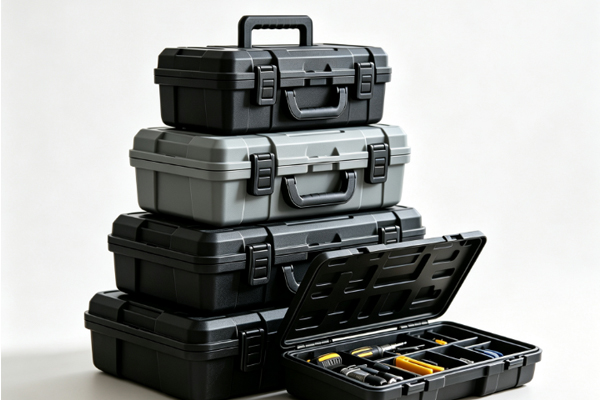
More Flexible Modular Stacking Design
The biggest feature of stackable toolboxes is their ability to meet different tool management needs through a modular structure.
Free Combination of Different Modules
Toolboxes of different sizes can be flexibly combined according to the number of tools.
- Flexible stacking on demand: Increase or reduce the number of modules based on work requirements to improve space utilization.
- Compatible with different tools: Hand tools, power tools, and accessories can all have independent storage areas.
- Easy future expansion: As the number of tools increases, additional modules can be added without replacing the entire toolbox.
Flexible combinations make tool management more adaptable and suitable for long-term use.
Secure Connection for Greater Safety
Stability after stacking directly affects daily user experience.
- Strong locking connection: Modules are tightly fixed, ensuring stability during movement.
- Reduced shaking risk: Improves overall load-bearing capacity and reduces tool scattering.
- Easy assembly and disassembly: Faster daily setup and separation, improving work efficiency.
A stable connection structure allows the toolbox to adapt to more complex working environments.
More Scientific Storage Structure
A well-designed internal layout is one of the key features of stackable toolboxes.
Clear Categorized Storage
Different tools have independent storage areas for easier management.
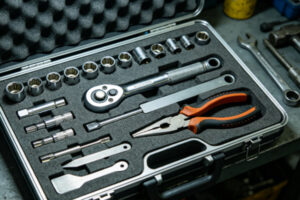
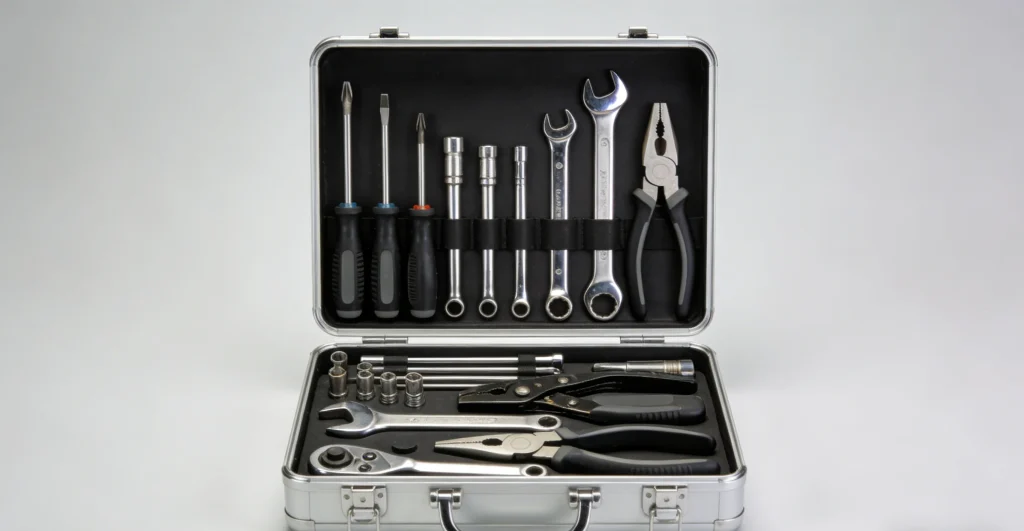
- Frequently used tools stored separately: Wrenches, screwdrivers, and other high-frequency tools are easy to access.
- Power tools centrally stored: Large equipment has sufficient storage space.
- Small accessories organized by category: Screws, drill bits, and other parts use compartmentalized design to reduce mixing.
Scientific categorization helps users establish a more standardized tool management system.
Better Space Utilization
The internal structure makes full use of each storage layer.
- Multi-layer layout design: Different heights meet various storage needs.
- Reduced space waste: Each module serves a practical storage function.
- Neat internal organization: Tools are arranged more orderly, improving retrieval efficiency.
Efficient space utilization allows more tools to be stored neatly.
Improved Mobility and Durability
Stackable toolboxes not only focus on storage capacity but also balance portability and long-term durability.
More Convenient Transportation
Flexible mobility reduces carrying pressure during work. With quick disassembly, individual modules can be carried separately, improving usability and flexibility. They are also suitable for multi-scene transitions, making transportation between different work areas more convenient. In addition, they reduce carrying burden, allowing users to carry only the required modules, thereby improving overall work efficiency. This convenient transport method also makes daily use easier.
More Durable Structure
High-quality construction meets long-term and high-frequency usage needs.
- High-strength materials: Improve overall load-bearing capacity and suit complex environments.
- Wear-resistant shell: Maintains stable performance even after long-term use.
- Reinforced corner protection: Reduces damage caused by transport and impact.
Durable design extends the service life of the toolbox and reduces maintenance costs.
Wide Range of Applications
Thanks to their flexible design, stackable toolboxes can meet the needs of different users.
Professional Repair and Industrial Fields
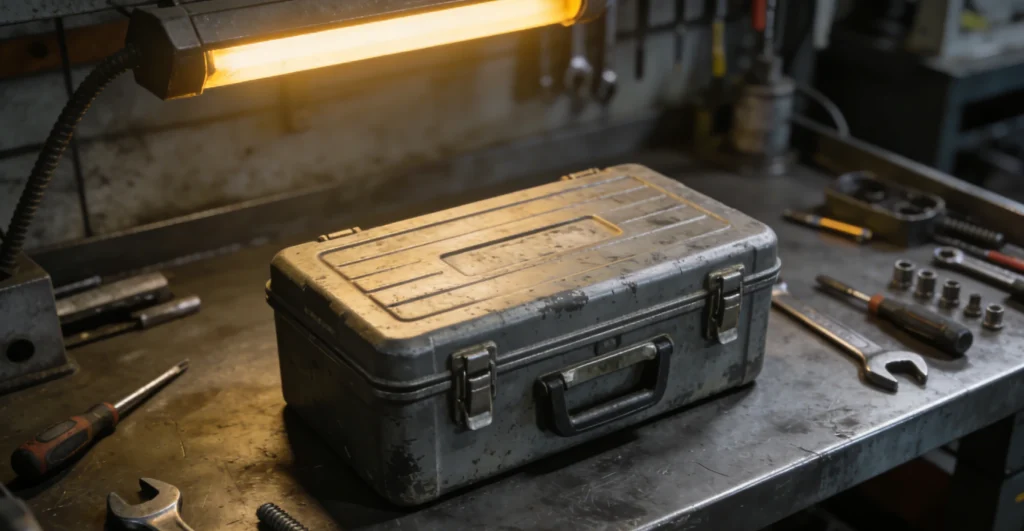
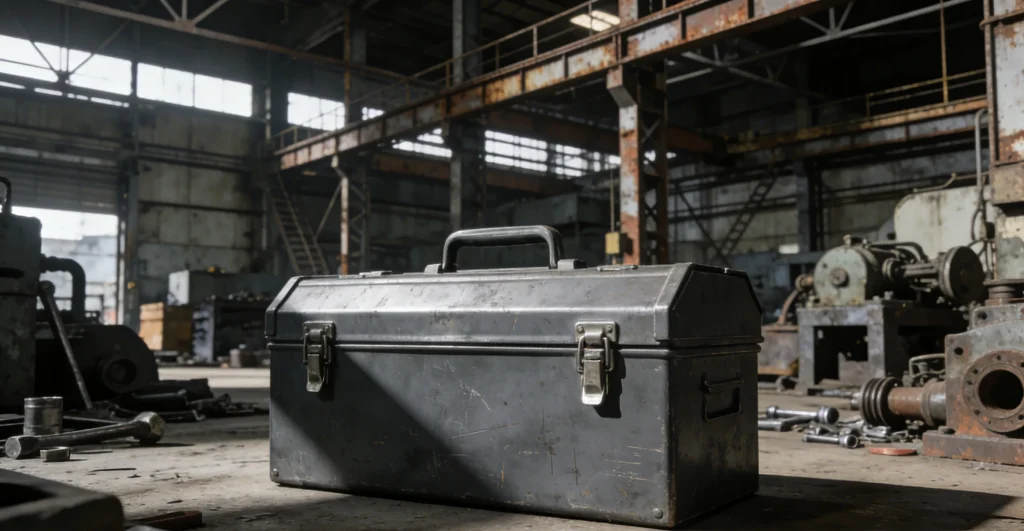
Large-scale tool management relies heavily on systematic storage. Automotive repair workshops require categorized management of various tools, industrial equipment maintenance suits high-frequency use and multi-station operations, and construction sites significantly benefit from improved tool transportation and organization efficiency. Overall, professional environments demand higher standards for tool management systems, requiring stability, flexibility, and high-capacity storage solutions.
Home and Personal Workshops
Home users can also benefit from the convenience of stackable designs.
- Space-saving storage: Toolboxes can be flexibly combined based on available space.
- Daily maintenance needs: Household tools are clearly categorized for easy access.
- Clean and organized environment: Centralized tool management reduces clutter.
The flexible design makes stackable toolboxes suitable for a wider range of living and working scenarios.
Stackable toolboxes, with their modular structure, scientific storage methods, and strong durability design, provide a more flexible solution for tool management. Whether in professional work environments or daily home use, they help users organize tools more efficiently, improve space utilization, and enhance overall user experience. Choosing a well-designed and reliable stackable toolbox can make tool management more standardized while meeting long-term storage needs.