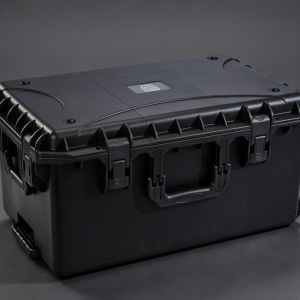
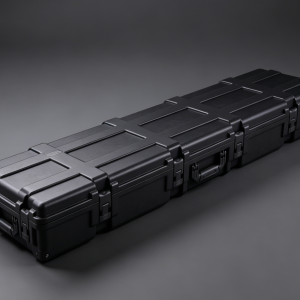
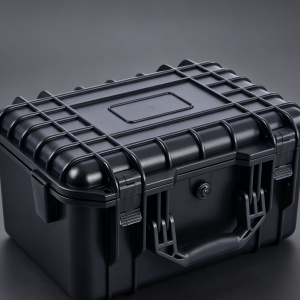
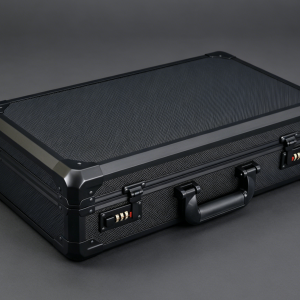
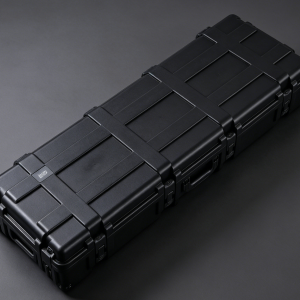
Electricians need to carry a variety of tools for installation, wiring repairs, and equipment maintenance, including screwdrivers, wire strippers, multimeters, crimping tools, and electrical accessories. A tool box must provide convenient storage while offering adequate structural strength, protection, and portability. Metal tool boxes are popular in industrial maintenance and professional tool storage because of their durability and load-bearing capacity. However, whether a metal tool box is suitable for electricians depends on the working environment, electrical safety requirements, and transportation needs.
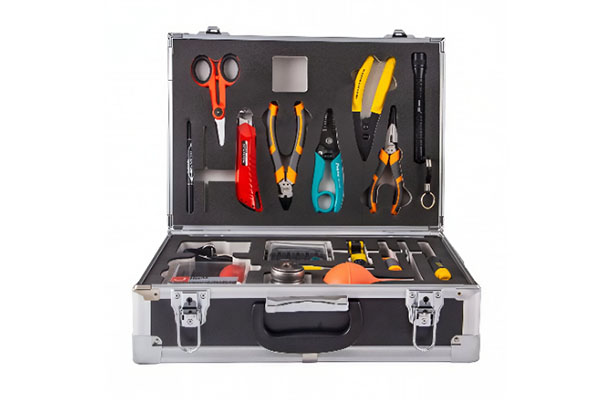
How Safe Are Metal Tool Boxes for Electricians?
Strong Construction Protects Tools from Damage
Compared with some plastic tool boxes, steel and aluminum tool boxes generally offer good impact resistance, helping reduce damage caused by bumps and compression during transportation. For electricians working on construction sites, in factories, or around equipment maintenance areas, a sturdy enclosure helps protect pliers, wrenches, and testing instruments.
Material thickness, reinforced corners, hinge construction, and latch quality all affect the overall durability of a tool box. When choosing a product, consider the weight of the tools and the frequency of use rather than focusing solely on appearance or dimensions.
Metal Is Not Insulating: Electrical Safety Comes First
Metal is electrically conductive, which is an important consideration when selecting an electrician’s tool box. If the enclosure contacts energized components or the box contains exposed wires and damaged electrical parts, the risk of electric shock or short circuits may increase. Therefore, a metal tool box must never be treated as electrical insulation equipment or as a substitute for properly rated insulated tools and personal protective equipment.
For live electrical work or hazardous electrical environments, electricians should follow applicable safety procedures and use appropriate insulated tools and protective equipment. When storing multimeters, test probes, and similar devices, separate compartments or protective cases can help prevent contact between metal tools, instrument probes, and electrical terminals.
What Are the Storage Advantages of Metal Tool Boxes?
Organize Different Types of Electrical Tools
Electricians use tools of various sizes and functions. Storing screwdrivers, wire strippers, multimeters, and wire terminals together without organization can make tools difficult to locate and increase the risk of collisions or lost accessories.
A metal tool box with tiered trays, drawers, adjustable dividers, and small-parts compartments makes it easier to organize tools by category. Frequently used tools can be placed in easily accessible positions, while small terminals, nuts, and connectors can be stored separately to improve maintenance efficiency.
Stable Construction for Long-Term Use
For maintenance teams that regularly store heavy tools, the structural strength of a metal enclosure can be a significant advantage. A well-designed bottom panel, internal supports, and drawer structure help maintain stability and reduce deformation caused by prolonged loading.
Locking latches can also reduce the risk of the lid opening accidentally during transportation and help protect valuable testing instruments and professional tools.
How Can Portability Be Balanced with Working Conditions?
Steel vs. Aluminum Tool Boxes
Steel tool boxes are generally suitable for applications requiring durability, structural strength, and high load-bearing capacity, although they can be relatively heavy. Aluminum tool boxes are lighter and offer good corrosion resistance, making them suitable for electricians who frequently move their equipment between work locations.
For fixed maintenance stations or factory workshops, storage capacity and load-bearing performance may be the main priorities. For jobs involving frequent movement between floors, equipment rooms, and construction areas, overall weight, handle comfort, and internal layout deserve greater attention.
Rust Prevention, Dust Protection, and Surface Treatment
Outdoor repairs, humid environments, and industrial workshops can place additional demands on tool box durability. Appropriate protective coatings can improve the corrosion resistance of steel tool boxes, while aluminum alloys naturally offer good corrosion resistance. Actual performance depends on the alloy, surface treatment, and operating environment.
For precision instruments, buyers should also consider lid closure design and internal cushioning. Standard metal tool boxes do not necessarily have certified waterproof or dustproof ratings, so their actual protection capabilities should be verified before purchase.
How to Choose the Right Metal Tool Box for Electricians
When purchasing a metal tool box, evaluate the number of tools, equipment weight, work location, and electrical safety requirements. Heavy-duty maintenance tools require an enclosure with sufficient load-bearing capacity. Portable repair tasks benefit from lightweight designs, while electricians carrying multiple testing instruments should prioritize compartmentalized storage and protective padding.
SIPHIA BOX specializes in tool storage products. For electrical installation, industrial repairs, and equipment maintenance, selecting suitable metal materials, enclosure structures, and internal configurations can improve tool management efficiency. Most importantly, a metal tool box is designed primarily for storing and transporting tools; it does not provide the insulation required for live electrical work. Combining durability, organized storage, portability, and proper electrical safety practices helps meet the everyday needs of professional electricians.