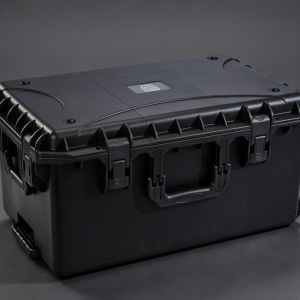
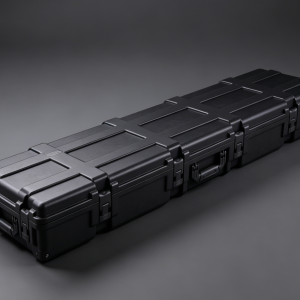
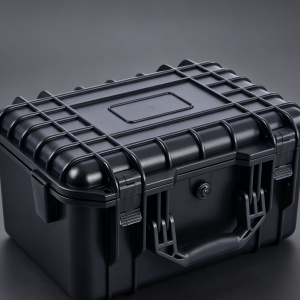
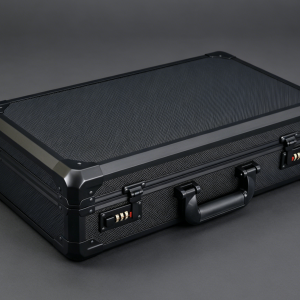
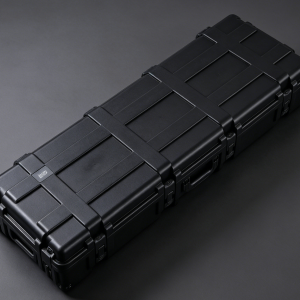
Construction sites typically involve a wide variety of tools, frequent use, repeated transportation, and challenging working conditions. From building installation and mechanical repairs to equipment commissioning, workers need wrenches, power drills, measuring instruments, fasteners, and many other tools. Choosing the right metal tool box can improve tool management efficiency while reducing the risk of tool damage and loss. Therefore, metal tool boxes for construction sites should offer reliable structural strength, protective performance, portability, and practical storage solutions.
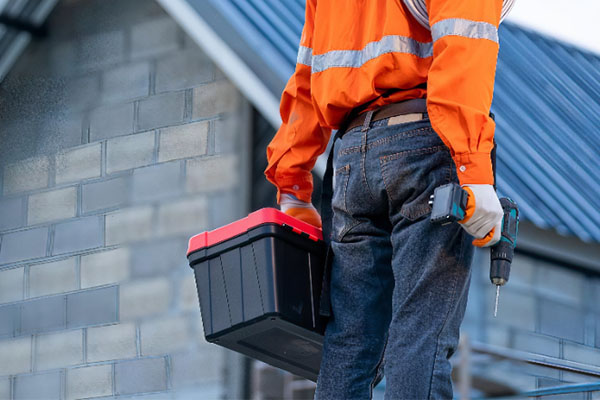
Strong Structural Integrity and Load-Bearing Capacity
A Durable Metal Enclosure
Construction sites often require workers to store heavy mechanical tools and metal components. Lightweight tool boxes may not be suitable for demanding applications involving frequent use over extended periods. Steel tool boxes offer good structural strength and are suitable for storing power tools, socket wrenches, and maintenance equipment. For tasks that require frequent transportation, aluminum tool boxes can reduce overall weight while maintaining adequate structural strength.
When selecting a metal tool box, consider the material thickness, overall dimensions, bottom structure, and assembly quality rather than judging product quality by appearance alone.
Reinforced Bottom Panels and Corners
When tools are concentrated in one area, the bottom panel must support a continuous load. If the panel lacks sufficient strength, prolonged use may cause deformation and affect the stability of the tool box. Reinforcing ribs, strengthened bottom panels, and protective corners can improve load distribution and reduce damage caused by impacts during transportation.
Reliable Rust Prevention and Environmental Protection
Surface Treatment and Corrosion Resistance
Construction sites may expose equipment to rain, mud, cement dust, and humid air. Once the protective coating on a metal surface is damaged, steel tool boxes may become vulnerable to corrosion. Products with appropriate surface treatments, such as powder coating, painting, or electroplating, can help extend service life.
For coastal construction projects, outdoor installations, and humid environments, aluminum or stainless steel tool boxes may be worth considering. The corrosion resistance of hinges, latches, and fasteners should also be evaluated.
Dustproof, Waterproof, and Sealing Design
Dust entering a tool box can affect the performance of precision measuring instruments and power tools. Metal tool boxes with well-designed lids, sealing strips, and reliable closures can help reduce the entry of dust and moisture. However, standard tool boxes do not necessarily provide a certified level of water resistance. Buyers should verify the actual protection rating when selecting products for demanding environments.
Impact Resistance and Security Protection
Protection Against Impacts and Vibration
When workers move tools around a construction site, tool boxes may be exposed to impacts, compression, and vibration. A robust enclosure, secure welded or riveted joints, and reinforced handles and connecting components can improve overall durability.
For precision equipment such as laser measuring devices and inspection instruments, foam padding, dividers, or custom-fitted compartments can help prevent damage caused by tools colliding with one another.
Secure Latches and Accidental-Opening Prevention
Construction sites often involve multiple workers moving through the same area. Reliable latches help prevent tool boxes from opening accidentally during transportation. For valuable tools, buyers can consider models with built-in locks or provisions for adding padlocks. Handles, hinges, and latches should be securely installed and designed to withstand repeated opening and closing.
Portability and Efficient Storage Layout
Choose the Right Weight for the Working Environment
For fixed workstations, storage capacity and load-bearing performance are often the main priorities, making sturdy steel tool boxes a practical option. When tools must be moved frequently between floors, construction zones, or equipment installation areas, buyers should pay closer attention to the lightweight design of aluminum tool boxes, handle comfort, and weight distribution.
For larger tool boxes, casters may also be useful. Buyers should check the load capacity of the wheels and whether locking mechanisms are available, taking the site conditions into account.
Organized Compartments for Greater Efficiency
Construction workers often need to locate specific tools quickly. Internal trays, drawers, adjustable dividers, and small-parts compartments help separate hand tools, power tools, measuring equipment, and fasteners, reducing the time spent searching for items.
When purchasing a metal tool box, plan the internal layout according to tool dimensions, quantities, and frequency of use. An oversized box may be difficult to transport, while insufficient storage space can force workers to stack tools together.
How to Choose the Right Metal Tool Box for a Construction Site
Construction projects differ in working conditions and tool requirements. Buyers should evaluate the following factors before making a purchase:
- Heavy-duty tool storage: Choose steel tool boxes with strong load-bearing capacity and reinforced bottom panels.
- Frequent transportation: Consider aluminum enclosures, overall weight, handle design, and portability.
- Outdoor and humid environments: Check surface protection, corrosion resistance, and lid sealing.
- Precision equipment storage: Look for protective padding, organized compartments, and secure positioning features.
- Frequent long-term use: Inspect weld quality, hinges, latches, and other components subject to wear.
SIPHIA BOX specializes in tool storage products. For applications such as construction, industrial maintenance, and equipment servicing, selecting the appropriate metal material, enclosure structure, and internal configuration can help establish a more organized tool management system. Buyers should evaluate load requirements, working environments, and transportation needs together to achieve a better balance of durability, security, and everyday operating efficiency.