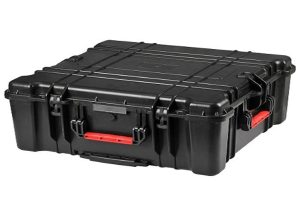
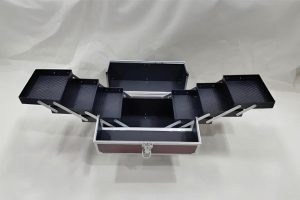
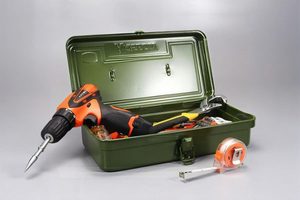
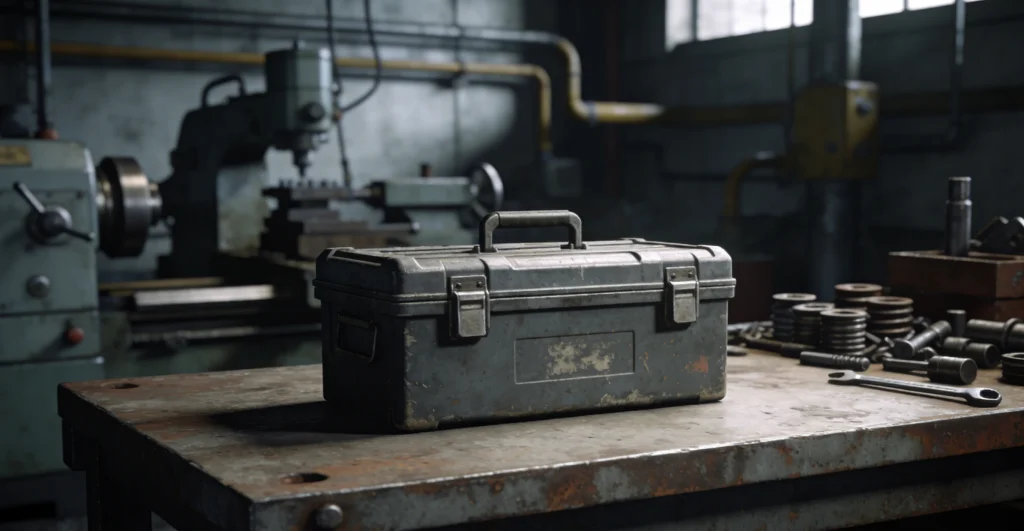
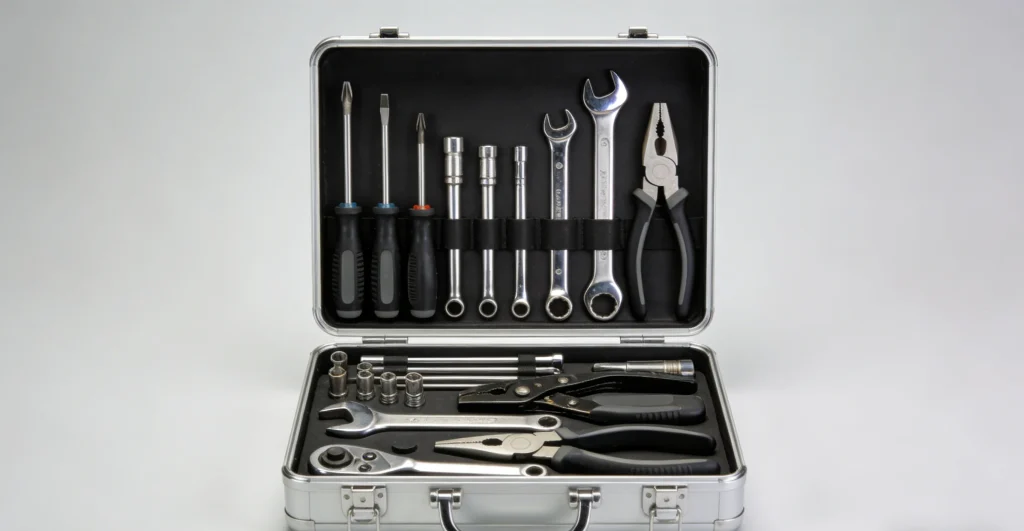
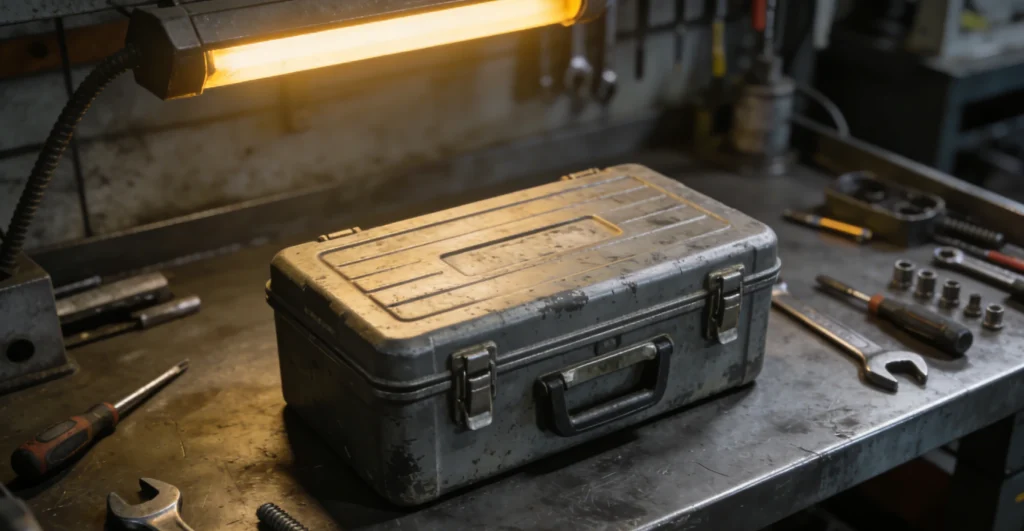
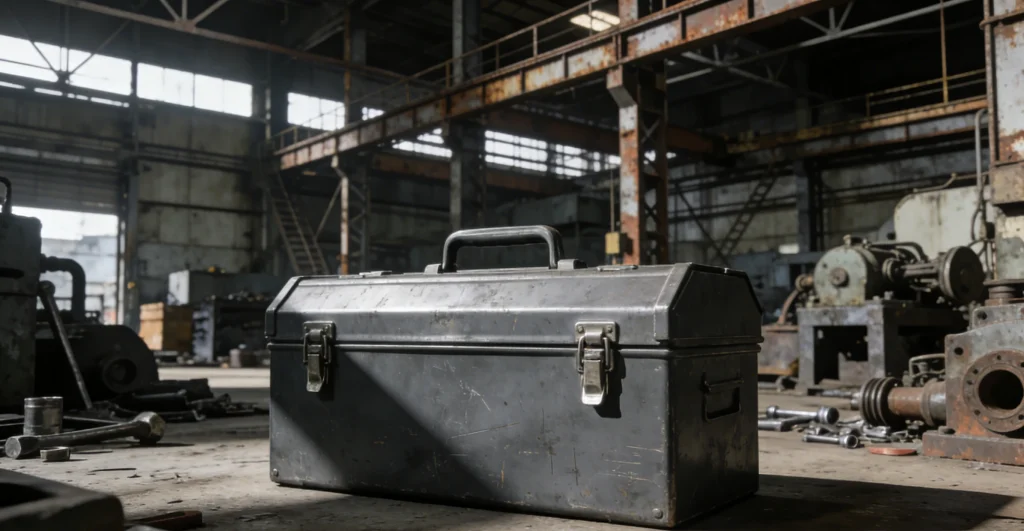
Different jobs involve different numbers of tools, equipment types, and working methods, making it difficult for a single storage configuration to accommodate every work scenario. Maintenance work requires quick access to commonly used tools, engineering installation requires convenient carrying and mobility on site, while inspection work places greater emphasis on the stability of instruments during transportation. Modular toolboxes can combine independent cases, compartment structures, dividers, and protective cushioning to organize tools according to actual usage habits, while also helping businesses establish suitable storage solutions for different job roles.
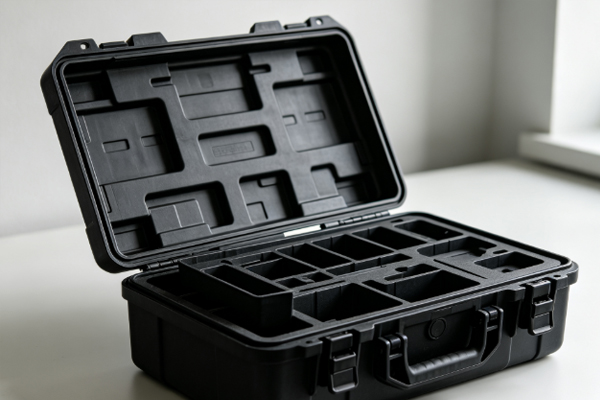
Match Modular Structures to Different Tool Types
The configuration of a modular toolbox should start with the tools themselves. Storage space can be arranged according to size, weight, frequency of use, and protection requirements, giving each type of equipment an appropriate location.
Hand Tools Are Suitable for High-Frequency Access Modules
Hand tools such as wrenches, screwdrivers, pliers, and sockets are frequently used, so the internal layout can be designed around quick identification and easy access.
- Arrange by Specification: Wrenches, sockets, and similar tools can be organized by size, making different specifications easier to identify.
- Individual Fixing: Longer tools can be secured with slots, straps, or dedicated inserts to reduce the risk of tools colliding during transportation.
- Keep Frequently Used Tools at the Front: Tools used most often can be placed in easily accessible areas to reduce searching time.
This type of storage is suitable for equipment maintenance, installation and repair, and on-site inspection work where tools need to be accessed frequently.
Power Tools and Accessories Require Proper Separation
Power drills, impact wrenches, batteries, chargers, and drill bits vary considerably in size and usage, so they should not simply be stored together. The layout can be planned in the following ways:
- Place power tools in areas with sufficient depth and load-bearing capacity to reduce compression during transportation.
- Keep batteries reasonably separated from metal tools and items that may create a short-circuit risk, while keeping them dry and stable.
- Use separate compartments or cable channels for chargers and cables to reduce tangling and compression.
- Organize small accessories such as drill bits, screwdriver bits, and screws in compartmented boxes.
Arranging storage space according to the characteristics of each device helps maintain clear boundaries between tools, power accessories, and small consumables.
Configure Dedicated Modules According to Workflows
Tool storage ultimately needs to support actual work procedures. Different positions involve different daily tasks, so module combinations can also be arranged around the specific workflow.
On-Site Maintenance Places Greater Emphasis on Quick Access
Automotive repair, equipment troubleshooting, and on-site maintenance often require frequent tool changes. Properly positioning commonly used equipment can reduce search time and repeated reorganization.
- Common Tool Module: Wrenches, screwdrivers, sockets, and other frequently used tools can be stored together for direct access.
- Inspection Module: Multimeters, measuring instruments, and other equipment can be stored separately, with fixing structures and cushioning inserts designed according to instrument dimensions.
- Consumables Module: Items such as screws, cable ties, and adhesive tape can be managed in one area for quick replenishment during maintenance work.
Arranging different modules according to the work sequence can make tool preparation, on-site operations, and post-work organization more efficient.
Engineering Installation Requires Both Portability and On-Site Protection
Engineering construction and installation often require workers to carry multiple tools while dealing with dust, moisture, impacts, and frequent movement. Storage equipment therefore needs to balance capacity, weight, and protection.
- Keep Core Tools Together: Combine the main tools required for the day’s tasks into an independent set to reduce unnecessary equipment.
- Store Small Parts Separately: Fasteners, connectors, and installation consumables can be placed in compartmented areas for quick identification on site.
- Portable Structure: Choose handles, telescopic handles, or wheels according to the required travel distance, making tools easier to move between different work locations.
This configuration is suitable for engineering installation, on-site construction, and professional workers who frequently change work locations.
Select Protection and Mobility Features According to the Working Environment
Workshops, fixed workstations, and outdoor sites have different conditions, but toolbox selection should not be based solely on the location. Tool characteristics, movement frequency, and environmental risks should also be considered.
Workshops and Fixed Workstations Prioritize Load Capacity and Operating Efficiency
Tools in workshops are used frequently, and some equipment can be relatively heavy. The toolbox needs to balance load capacity, stability, and ease of operation. Specific considerations include:
- Casters or tool trolley structures are suitable for moving between multiple workstations and can reduce manual carrying.
- The case structure should remain stable, while drawers, latches, and modular connection points should be reliable to reduce the risk of items falling out during movement.
- Fixed workstations can prioritize easy access and clear organization, keeping commonly used equipment within easy reach.
Workshops and fixed workstations should be configured according to actual usage methods, with a reasonable balance between load capacity, mobility, and accessibility.
Outdoor and Complex Environments Require Comprehensive Protection
Outdoor engineering sites may involve dust, rain, moisture, and impacts. Toolboxes can be equipped with appropriate protective structures according to the actual environment. Dustproof and waterproof designs can reduce the impact of external conditions on tools, while cushioning inserts can reduce shocks during transportation. For precision inspection instruments, EVA foam or other positioning structures can be customized according to the instrument shape to reduce movement inside the case. Handles, telescopic handles, and wheels can be selected according to the required movement distance, making the carrying method more suitable for specific working conditions.
Reserve Space for Future Modular Adjustments
When a business adds tools, changes equipment models, or adjusts job responsibilities, the original storage layout may need to change. A modular toolbox with expansion capabilities can extend its service life by allowing the internal structure to be reorganized.
Additional Tools Can Be Accommodated by Expanding Modules
When new tools or equipment are added, cases can be added, dividers can be adjusted, or internal areas can be reorganized to provide suitable storage space for the new items.
- Add Dedicated Modules: Create independent spaces for new tools to prevent them from being mixed with existing equipment.
- Adjust the Internal Layout: Use removable dividers, foam inserts, and other structures to accommodate equipment of different sizes.
- Reconfigure the Cases: Adjust module combinations according to changes in job requirements, allowing the existing storage system to remain useful.
This design can reduce the need to frequently replace an entire storage system when the tool inventory changes, while also making it easier for businesses to gradually improve tool management.
Customized Structures Are More Suitable for Professional Requirements
When tools have unusual dimensions, equipment is delicate, or job responsibilities are clearly defined, standard layouts may not fully meet specific usage requirements. Dedicated slots and EVA inserts can be designed according to tool dimensions to provide precision instruments with stable positioning and cushioning. Different tool combinations can also be planned for maintenance, inspection, installation, and other roles, while the case structure, handles, and protective features can be adjusted according to transportation requirements.
The key to selecting a modular toolbox is whether its storage structure can genuinely support daily operations. For work scenarios involving complex tool specifications, high-value equipment, or long-distance transportation, buyers can consider case materials, internal layouts, cushioning methods, mobility structures, and customization capabilities. SIPHIA BOX provides toolboxes, protective cases, aluminum cases, and customized storage solutions, with internal structures designed according to specific equipment and working environments to provide flexible storage configurations for professional applications such as maintenance, engineering, inspection, and installation.