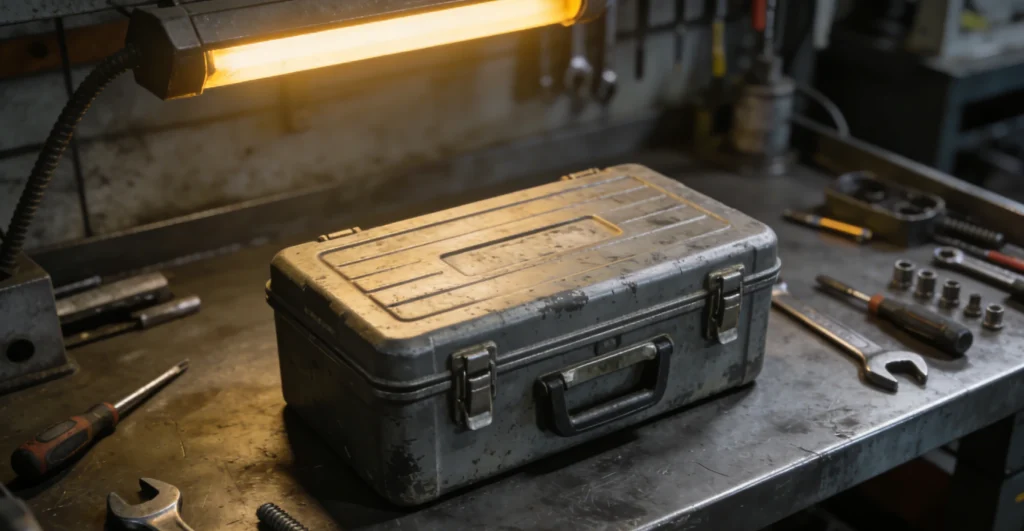
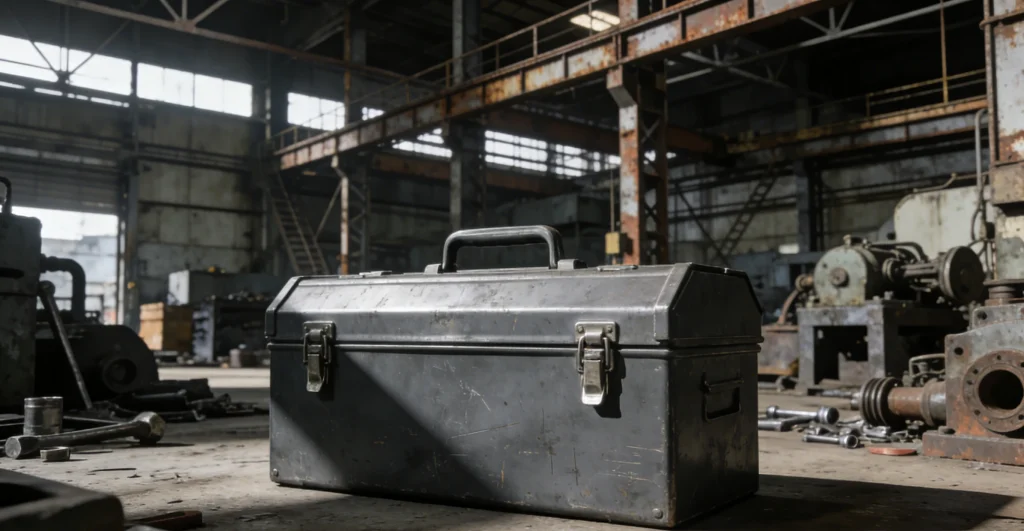
Toolbox design has gradually evolved from a simple storage container into a more flexible tool management solution. In maintenance, engineering, and inspection work, tool types and quantities often change, while fixed storage structures can easily lead to insufficient space, disorganized classification, or inconvenient transportation. Modular toolboxes use detachable combinations, layered storage, internal protection, and expandable structures to provide more suitable storage methods for different types of tools while allowing users to adjust configurations according to specific tasks.
How Do Modular Combinations Make Toolbox Configurations More Flexible?
The way modules are combined directly affects the range of toolbox applications, allowing different work tasks to correspond to different storage structures.
Independent Modules Can Be Freely Combined
The modular structure divides the complete toolbox into multiple functional units, allowing users to configure them according to actual requirements.
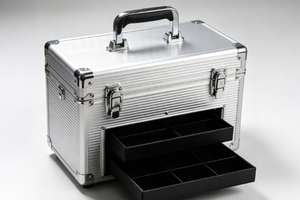
- Drawer modules are suitable for commonly used tools such as wrenches and screwdrivers;
- Box modules can accommodate larger tools and equipment;
- Side-mounted modules can provide additional storage space for small tools and accessories;
- Different modules can be recombined according to tool quantity and work requirements.
This design reduces the limitations of fixed structures and allows tool configurations to be adjusted as work requirements change.
Stackable Structures Improve Space Utilization
Stackable and connected modules can increase storage levels according to the number of tools while reducing horizontal space requirements. Different module sizes can serve different storage purposes, allowing hand tools, power tools, and small accessories to be managed separately. In work environments with large numbers of tools, adding an appropriate number of modules can also make the overall layout clearer.
How Does Internal Structural Innovation Improve Tool Management Efficiency?
In addition to external combination methods, the internal storage structure also determines the convenience of tool access, return, and daily management.
Fixed Slots and Zoned Storage Reduce Mixed Storage
Tools vary significantly in size, and placing them all in the same space can easily lead to collisions, stacking, and difficulty finding the required items.
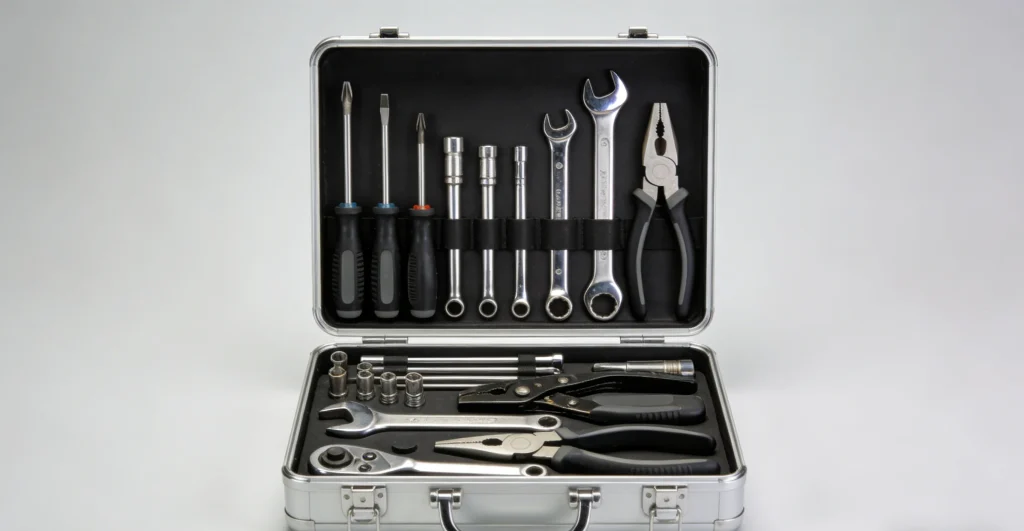
- Hand tools such as wrenches, pliers, and screwdrivers can have dedicated positions;
- Small accessories such as screws, drill bits, and washers are suitable for compartmentalized storage;
- Measuring tools and precision components can be placed in dedicated protective areas;
- Frequently used tools can be positioned where they are easier to access.
A clear internal layout gives each tool a fixed storage position, reducing repeated searching and random placement.
Labels and Module Identification Make Management More Intuitive
For toolboxes shared by multiple users, numbers, labels, or colors can be used to distinguish different modules and storage areas. Workers can follow standardized procedures for tool collection and return, while also making it easier to check tool quantities and storage conditions. Modular identification helps shift tool management from individual habits toward a more standardized approach.
How Does Customized Interior Padding Make Protection More Precise?
Different tools have different requirements for fixation and protection, so the internal space needs to be planned according to tool shape, weight, and precision.
EVA Foam Provides Targeted Fixation
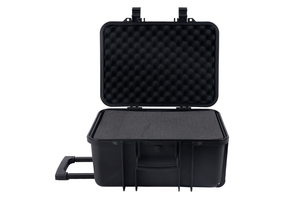
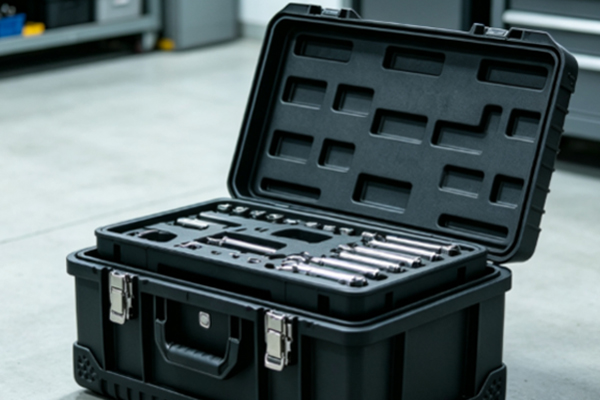
For inspection instruments, precision tools, and equipment that may be affected by impact, ordinary open storage spaces may not provide sufficient stability. Customized inserts can be shaped according to the equipment’s contours.
- EVA foam can be cut into slots according to tool dimensions;
- Individual recesses can reduce direct collisions between tools;
- Different foam thicknesses and densities can match different protection requirements.
A suitable interior padding structure can keep tools stable during transportation and movement, reducing the risk of damage caused by impacts.
Adjustable Inserts Adapt to Tool Changes
Some modules use adjustable dividers, trays, or combination inserts to change the proportion of internal space according to tool dimensions. The specific advantages include:
- Flexible Layout Adjustment: Adjustable dividers, trays, or combination inserts can change the internal space ratio to accommodate tools of different sizes.
- Continued Use When Tools Change: When tool types change, the internal layout can simply be adjusted instead of replacing the entire storage system.
- Reduced Replacement Frequency: For companies that use toolboxes over the long term, this can reduce the need to frequently replace storage equipment when tools are updated.
This design improves the adaptability of the toolbox while reducing replacement costs during long-term use.
How Do Portable and Expandable Designs Meet Long-Term Usage Needs?
A toolbox needs to do more than accommodate tools. It must also support transportation, mobility, and continuous expansion during actual use.
Carrying Structures Adapt to Different Work Scenarios
Maintenance, engineering installation, and on-site inspection work often require tools to be transported to specific locations, so the toolbox needs to balance load-bearing capacity with mobility. Handles, wheels, and reasonable module weight distribution allow users to select an appropriate transportation method according to distance and working conditions. For scenarios requiring frequent movement, portable structures can reduce the effort required during transportation.
Connection Structures Balance Combination and Stability
The connection structure between modules needs to maintain a reasonable balance between convenient assembly and stable use. The following aspects can be considered:
- Reduce Loosening and Misalignment: Reliable clips, locks, or connection mechanisms can reduce module loosening and misalignment during movement.
- Facilitate Daily Operation: Appropriate connection methods also make daily disassembly and recombination more convenient.
- Maintain Overall Stability: Stable connection methods are essential for maintaining the integrity of multi-layer modules.
The connection structure should balance convenient assembly and stable use, allowing both operational efficiency and overall reliability.
Expandability Reduces Long-Term Replacement Pressure
As the number of tools increases, traditional fixed-capacity toolboxes may require users to purchase larger products, while modular designs can expand storage space by adding storage units. The advantages include:
- Flexible Capacity Expansion: Storage capacity can be increased by adding storage units without replacing the entire toolbox.
- Gradual Configuration Upgrades: Users can gradually add configurations according to changing tool requirements.
- Continuous Adaptability: The storage system can be continuously adjusted as tools change, maintaining long-term adaptability.
- Convenient Position-Based Configuration: Companies can more easily establish corresponding tool combinations for different positions or job roles.
Modular design improves the expandability and adaptability of toolboxes, meeting growing tool storage requirements while allowing companies to configure tools flexibly according to different positions.
The innovation of modular toolboxes now extends across combination structures, internal layouts, protective inserts, mobility, and capacity expansion. For businesses, product value depends not only on storage capacity but also on whether the module configuration matches actual workflows and whether the internal structure can properly protect different tools. SIPHIA BOX focuses on modular tool storage solutions and can plan structures according to tool types, equipment dimensions, and application environments, providing more suitable storage and protection solutions for maintenance, engineering, inspection, and industrial applications.