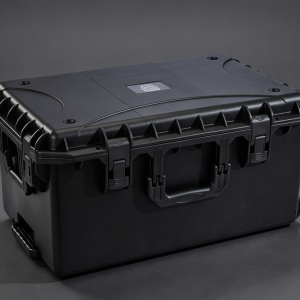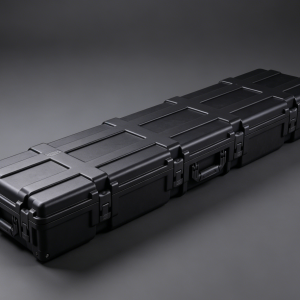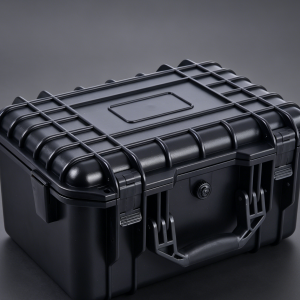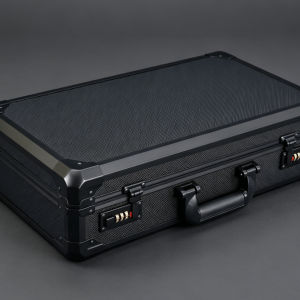
In industrial maintenance, equipment transportation, outdoor construction, and high-end tool management, standard aluminum tool boxes may not always meet specific requirements. Businesses and individuals often need custom aluminum tool boxes to accommodate different tool types, quantities, transportation environments, and branding requirements. Customization not only improves tool management efficiency but also enhances the protection of precision instruments and contributes to a professional brand image. However, the customization process involves multiple factors, including size design, structural strength, internal layout, and protective performance. Without proper planning, it may result in inconvenience during use or unnecessary costs. Therefore, understanding the key considerations of custom aluminum tool boxes is essential for ensuring functionality, safety, and cost-effectiveness.
Customization Options for Aluminum Tool Boxes
Custom aluminum tool boxes are specialized tool storage solutions designed and manufactured according to customer requirements in terms of dimensions, structure, materials, internal layout, surface treatment, and accessories.
- Size Customization
Design external dimensions and internal space layouts according to the volume, quantity, and operating environment of the tools or equipment.
- Structural Customization
Select aluminum sheet thickness, frame structure, and corner reinforcement solutions based on load-bearing requirements and transportation methods.
- Internal Layout Customization
Includes partitions, drawers, EVA foam inserts, sponge cushioning, or custom mounting slots to achieve organized storage and shock protection.
- Functional Customization
Additional features such as dustproof, moisture-resistant, waterproof, and impact-resistant designs can be incorporated, along with optional locks, wheels, and handle configurations.
- Branding Customization
Companies can customize logos, colors, or surface coatings on the box exterior to enhance their professional image.
Through personalized design, custom aluminum tool boxes provide a complete upgrade from standard storage solutions to professional transportation, protection, and display systems.
How Are Custom Aluminum Tool Boxes Planned and Manufactured?
The customization process mainly consists of five stages: requirements analysis, design planning, material selection, manufacturing, and final inspection.
- Requirements Analysis
Determine external dimensions, load-bearing capacity, and carrying methods based on tool types, quantities, and usage environments. Lightweight indoor tools may require a small handheld case, while outdoor construction or precision equipment transportation may require a larger tool box with cushioning protection.
- Design Planning
The design team creates 3D structural drawings based on customer requirements, planning box dimensions, frame structures, internal partitions, and cushioning layouts to ensure efficient storage and clear organization.
- Material Selection
Select aluminum alloy sheets and profiles of appropriate thicknesses according to load-bearing and protection requirements. Determine corner protectors, lock specifications, handle designs, and whether anodizing, sandblasting, or coating treatments are required.
- Manufacturing
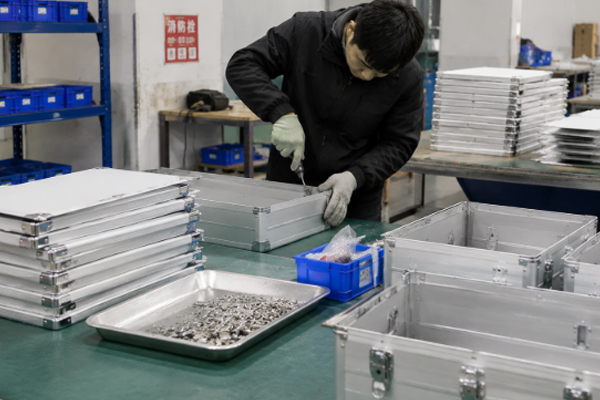
Cut aluminum sheets, process aluminum profiles, assemble the frame and box body, and install locks, hinges, and internal cushioning materials. During production, dimensional accuracy, secure welding or riveting, and compliance with the design layout must be ensured.
- Inspection and Adjustment
After assembly, functional testing is performed, including load-bearing tests, opening and closing performance, lock functionality, cushioning effectiveness, and surface finish inspection to ensure the custom tool box fully meets customer requirements.
Specific requirements for custom-made aluminum toolboxes
During the customization process, attention should be paid to the following technical details to ensure durability, safety, and efficiency.
| Technical Item | Requirement | Main Advantage |
| External Dimensions | Accurately measure tool or equipment size | Maximizes space utilization and improves portability |
| Frame Structure | Select suitable aluminum sheet thickness and profiles | Enhances load-bearing capacity and deformation resistance |
| Corners and Reinforcements | Strengthen vulnerable areas | Improves impact resistance and durability |
| Internal Layout | EVA foam inserts, sponge cushioning, and partition design | Shock protection, anti-slip performance, and organized storage |
| Locks and Handles | Industrial-grade locks and ergonomic handles | Improves security and portability |
| Surface Treatment | Anodizing or coating | Corrosion resistance, wear resistance, and enhanced appearance |
| Protective Performance | Dustproof, moisture-resistant, and waterproof design | Improves adaptability to different environments |
When customizing a tool box, it is important to consider the operating environment, tool weight, transportation method, and brand image. Over-designing may increase costs unnecessarily, while insufficient protection and safety measures can compromise performance.
Frequently Asked Questions
How Long Does It Take to Manufacture a Custom Aluminum Tool Box?
Delivery time is one of the most common concerns for customers. The production schedule depends on factors such as box size, complexity of the internal structure, surface treatment processes, and whether special accessories are required.
- Small handheld cases or customized versions of standardized designs are typically completed within 1–2 weeks.
- Medium to large transportation cases or boxes with complex internal layouts may require 3–6 weeks.
- Special coatings, custom colors, or logo applications may require additional processing time.
To avoid delays, customers are advised to provide complete project requirements before placing an order, including tool types, quantities, transportation methods, and operating environments.
Custom aluminum tool boxes are an important solution for meeting specialized storage and transportation requirements. They not only protect tools and equipment while reducing the risk of damage but also improve efficiency through optimized internal layouts. During customization, proper planning of dimensions, frame structures, internal cushioning, locking systems, and surface treatments is essential for ensuring safety and durability. Whether transporting precision equipment for business use or organizing personal tools, a custom tool box can make storage and transportation more efficient and secure. When selecting a custom solution, it is important to consider not only appearance and dimensions but also actual applications and working environments. This ensures that the full value of a custom aluminum tool box is realized, making work easier, safer, and more efficient.