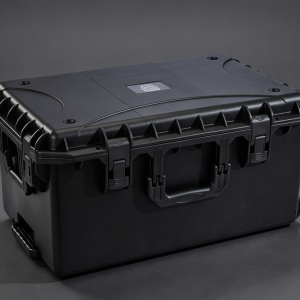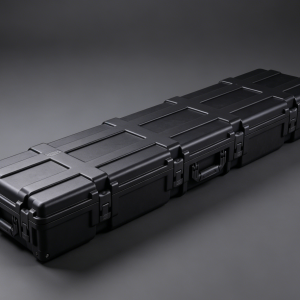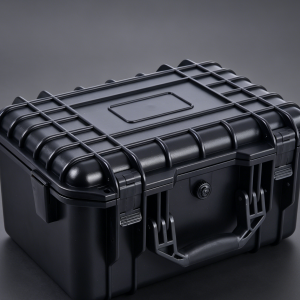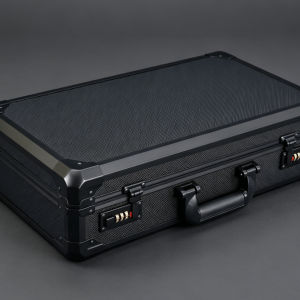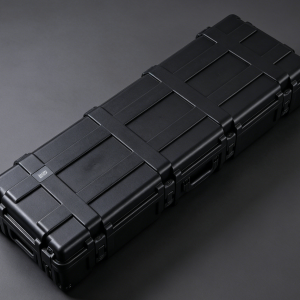
In modern industrial manufacturing, equipment maintenance, automotive repair, and engineering construction, the number of tools is constantly increasing, leading to greater management challenges. Many companies and maintenance personnel encounter problems such as disorganized tool placement, time-consuming searches, inconvenient transportation, and easy loss of parts, which affect work efficiency and may increase management costs. Box tool carts, with their large storage capacity, multi-level classification, and flexible mobility, are becoming increasingly important tool management equipment in more and more industries. Through reasonable configuration and scientific classification, box tool carts can help users establish a more standardized and efficient tool management system, making tool storage, retrieval, and maintenance more convenient, thereby improving overall work efficiency.
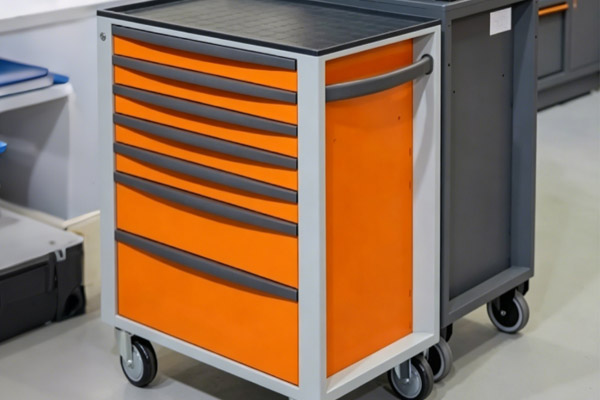
Box Tool Carts Make Tool Classification Clearer
Improved tool management efficiency relies on a reasonable classification structure. Box tool carts, with their multi-level drawers and independent partition design, make tool management more standardized.
Frequently Used Tools Stored Separately
High-frequency used tools need to be easily and quickly accessed.
- Wrenches and screwdrivers are centrally managed: Placing frequently used tools in the upper area reduces search time.
- Commonly used testing tools should be stored separately: Storing multimeters, measuring tools, and other equipment independently improves work efficiency.
Storing in designated areas helps cultivate good usage habits.
Parts classification management
Small parts are often difficult to manage.
- Screws and washers should be stored separately: This prevents them from being mixed up and lost or difficult to find.
- Tool tips and connectors should be organized uniformly: This improves the speed of parts retrieval and reduces work interruptions.
Scientific classification makes the entire tool system clearer and more organized.
Box-style tool carts improve tool retrieval efficiency
Many work hours are not spent on the repair process itself, but on finding tools. A reasonable tool cart layout can effectively improve this problem.
Establish a fixed storage system
Fixed location management is an important foundation for improving efficiency.
- Maintain consistent tool locations: Each tool has its designated place, reducing repeated searches.
- Establish standardized management processes: Even when multiple people are collaborating, the corresponding tools can be found quickly.
A unified management method can significantly improve team work efficiency.
Reduce searching time
A clear layout shortens retrieval time.
- The hierarchical structure is more intuitive: different categories of tools correspond to different drawer areas.
- Label management is more efficient: quickly locate the required tools through labels.
Shorter search time means higher work efficiency.
Box tool carts optimize on-site work processes
Besides storage capacity, one of the biggest advantages of box tool carts is their mobility.
Improved tool transportation efficiency
Many maintenance tasks need to be performed across areas.
- Tools move with the workstation: reduce the need to go back and forth to retrieve tools.
- Transport more equipment at once: large tools and frequently used accessories can be transported together.
Improved mobility leads to a smoother overall work process.
Adaptable to complex work environments
Different work environments have different requirements for tool management.
- More efficient in repair shops: tools can be quickly deployed when working at multiple workstations.
- More flexible on-site: tools can be quickly moved as needed during construction.
Flexible mobility makes box tool carts suitable for more professional scenarios.
Box tool carts reduce management costs
Standardized tool management not only improves efficiency but also reduces long-term operating costs.
Reduce Tool Wear and Tear
Long-term mixed storage of tools can easily lead to wear and tear. Tool carts, with their rational internal structure design, provide a safer and more stable storage environment for tools. Individual drawers effectively prevent tools from colliding and rubbing against each other, reducing surface damage and functional wear. Good sealing also reduces the impact of dust on tool performance. Through standardized storage and effective protection, tools can maintain good condition for a longer period, thereby extending their lifespan and reducing replacement costs.
Improve Asset Management
Tools are important assets for enterprises. By establishing standardized storage through tool carts, the quantity and usage of tools can be more clearly understood, making inventory checks, inventory management, and routine maintenance more efficient. At the same time, fixed storage locations help reduce tool loss and misplacement, facilitate tracking and management of tool movement, and thus reduce unnecessary losses and duplicate procurement costs. Standardized management improves work efficiency and helps enterprises save on long-term operating costs.
As the repair industry and industrial manufacturing continue to demand higher efficiency, tool carts have evolved from simple storage devices into an important component of tool management systems. With its advantages of categorized management, fixed storage, rapid retrieval, and flexible mobility, the box-type tool cart helps users establish more standardized and efficient workflows. Whether in automotive repair, industrial equipment maintenance, engineering construction, or manufacturing, specialized tool cart solutions can improve overall management levels.