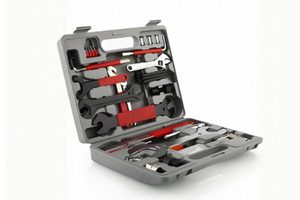
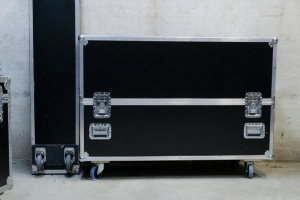
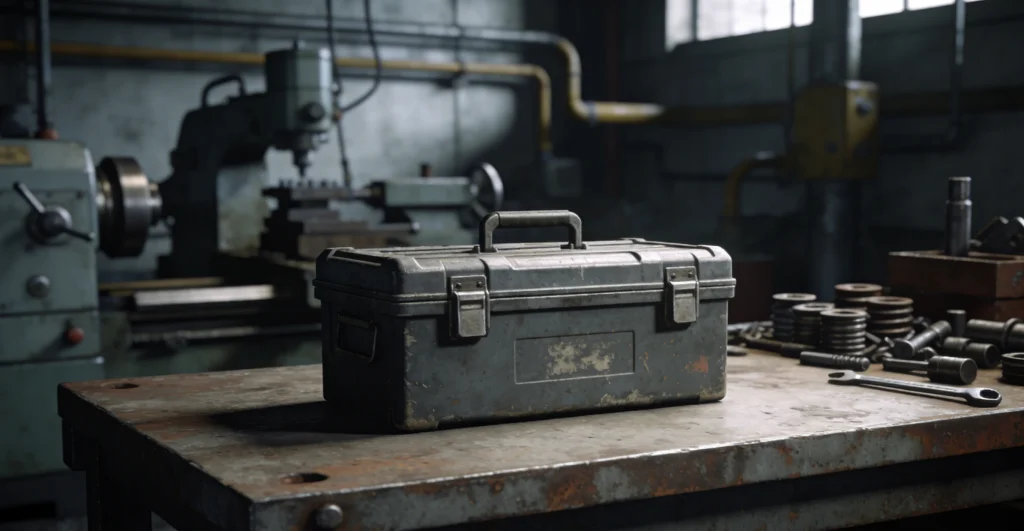
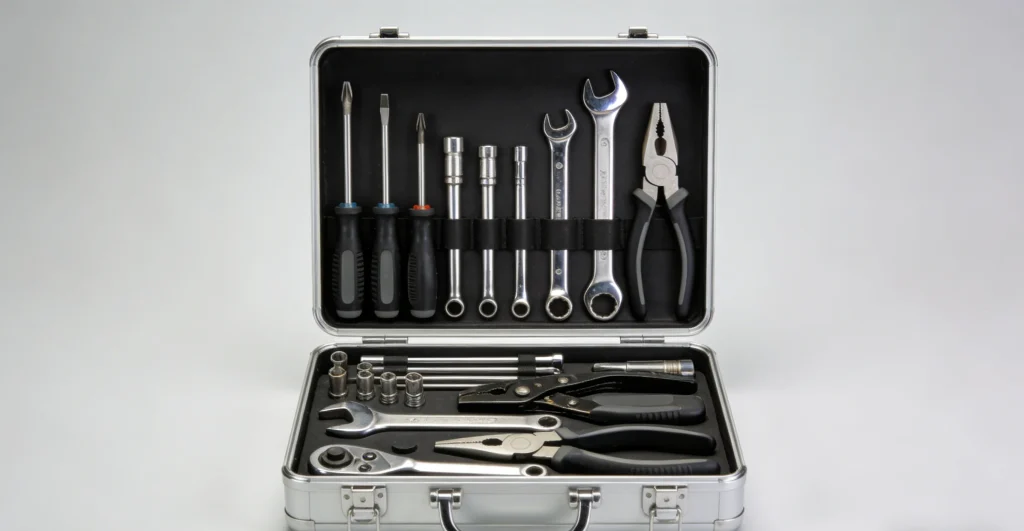
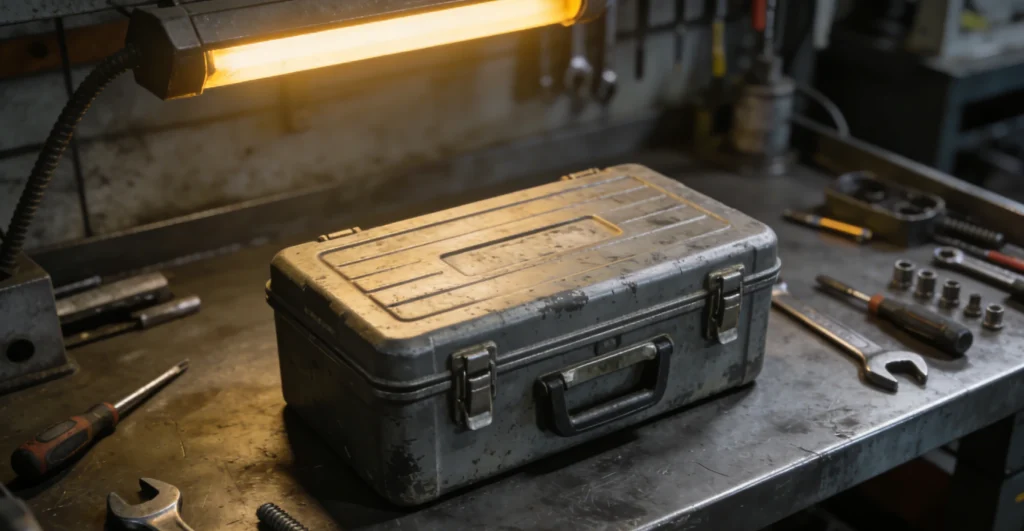
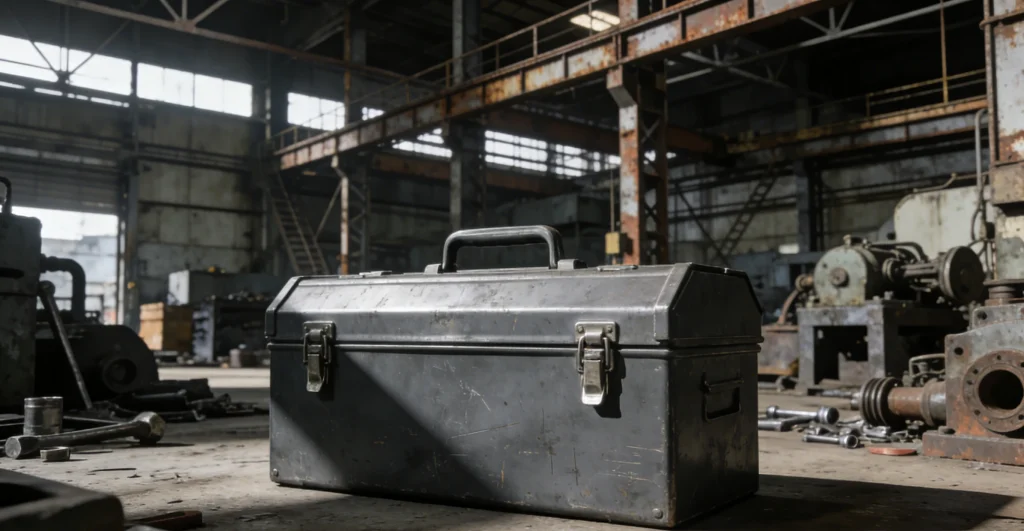
As the number of tools used in maintenance, inspection, installation, and other tasks continues to increase, the way storage space is utilized directly affects the daily working experience. Ordinary cases can easily lead to stacked tools, mixed accessories, and disorganized retrieval sequences. Modular toolboxes, on the other hand, use layered spaces, independent compartments, fixed slots, and adjustable structures to provide corresponding storage positions based on the actual purpose of different items. For users who frequently carry tools or manage professional equipment, a well-designed internal structure deserves more attention than simply increasing storage capacity.
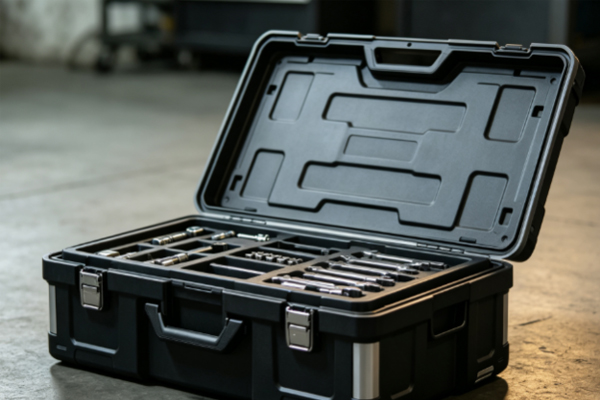
How Does a Layered Structure Improve Space Utilization?
Modular toolboxes use internal areas with different heights to accommodate items of various sizes, reducing wasted space caused by storing small tools in oversized compartments while also making it easier to organize tools according to their dimensions.
Different Heights Accommodate Various Tools
Tools vary considerably in size, and properly arranging the depth of each storage area can make the interior of the toolbox more compact.
- Shallow Areas: Suitable for slender hand tools such as screwdrivers, wrenches, and pliers, making them easier to view and access.
- Medium Areas: Can be used to store sockets, ratchet tools, and commonly used maintenance accessories, balancing storage capacity and ease of operation.
- Deep Areas: Suitable for power tools, inspection equipment, or larger professional tools, reducing the risk of tools being squeezed against one another.
Combining different heights allows the limited internal space of the toolbox to be utilized more effectively.
Upper and Lower Areas Can Be Organized According to Frequency of Use
Tool placement can also be arranged according to the actual workflow. Items used repeatedly every day can be placed in easily accessible areas, while backup tools and low-frequency equipment can be stored elsewhere, with consumables placed in separate storage areas. A fixed layered arrangement makes items easier to identify after opening the toolbox and also facilitates quick organization and return after work.
How Can Independent Compartments Improve Tool Organization?
When the internal structure changes from a single storage space into multiple functional areas, different types of tools and accessories can be managed separately according to their purposes, reducing the difficulty of finding items caused by mixed storage.
Fixed Slots Help Protect Tools
For toolboxes that are frequently moved, repeated collisions between items inside the case can cause wear. A well-designed fixing structure can help address this issue.
- Dedicated Slots: Corresponding positions are designed according to tool contours, helping items such as wrenches and measuring tools remain stable.
- Small-Item Compartments: Loose accessories such as screws, washers, and connectors are stored separately to reduce the mixing of different specifications.
- Protective Liners: Precision instruments can be equipped with cushioning materials such as EVA foam to reduce movement during transportation.
This type of structure can take both tool organization and daily protection into consideration.
Labeling Systems Make Searching More Intuitive
After the interior of the toolbox is divided into multiple modules, labels can be organized and applied in the following ways:
- Set Labels by Category: Labels can be assigned to each module according to tool category, specifications, or application scenarios.
- Examples of Category Marking: For example, hand tools, consumables, and inspection equipment can be marked separately so that the function of each area is immediately clear.
- Quickly Identify Storage Areas: After opening the toolbox, users can quickly locate the storage area based on the labels, improving retrieval efficiency.
- Facilitate Handover and Inventory Checks: For toolboxes shared by multiple users, a standardized labeling system also makes daily handovers and regular inventory checks easier.
- Improve Management Standardization: Clear area identification makes tool management more organized and reduces the difficulty of returning tools after use.
Properly configured module labels not only help users quickly identify and return tools to their designated positions, but also improve management efficiency and consistency in shared-use scenarios.
How Does Custom Padding Improve Adaptability to Irregularly Shaped Tools?
Standard dividers are suitable for regular-shaped items, but when dealing with different dimensions, special contours, or precision equipment, fixed internal structures may not make full use of the available space. Custom padding can be designed according to the actual items being stored.
EVA Liners Can Create Dedicated Protective Spaces
Different equipment can have significant differences in size and shape. Designing slots according to the actual contours of the items can improve the fit between the internal space and the equipment.
- Precise Positioning: Provides corresponding positions for tools and equipment, reducing movement during transportation.
- Cushioning Protection: Uses elastic liners to fill surrounding gaps and reduce the effects of impact and friction.
- Accessory Separation: Main equipment, cables, batteries, and other accessories can be assigned separate areas to reduce mutual compression.
This type of design is suitable for inspection instruments, electronic equipment, professional maintenance tools, and other items that require independent protection.
Adjustable Modules Make It Easier to Adapt to Tool Changes
When work requirements change, the existing tool configuration may also change. Modular structures can rearrange the internal space by adjusting dividers, replacing liners, or adding independent storage units, allowing the internal layout to maintain a certain degree of flexibility. For users whose number of tools continues to increase, this structure also makes long-term adjustments more convenient.
How Does a Modular Internal Design Benefit Long-Term Management?
The value of the internal structure is also reflected in workflow, transportation, and future expansion. A well-designed structure can transform a toolbox from a simple storage container into a more organized work support system.
Tool Positions Can Match Actual Workflows
Maintenance, installation, and inspection tasks each have their own operating sequences. Tool positions can be arranged according to the order of use. Placing frequently used tools in quick-access areas, organizing specialized tools together, and storing small consumables separately can reduce the need to repeatedly search for items during operations.
Internal Movement Can Be Reduced During Transportation
Toolboxes are often exposed to vibration during transportation. When excessive gaps are left inside, tools may move around. To address this, the following fixing methods can be combined:
- Set Fixed Slots: Design dedicated slots for tools and accessories to limit their range of movement.
- Add Cushioning Materials: Fill gaps with cushioning materials to absorb vibration during transportation.
- Divide Independent Areas: Store equipment and accessories separately to prevent mutual collision and interference.
- Better Results Through Combined Use: Combining fixed slots, cushioning materials, and independent areas can help keep equipment and accessories relatively stable.
- Clearly Defined Applications: This approach is particularly suitable for professional tools and inspection equipment that need to be carried frequently.
Properly applying fixing, cushioning, and compartmentalization can effectively improve the stability and safety of toolboxes during transportation.
Future Tool Additions Are Easier to Accommodate
When new tools or equipment are added to an existing system, the space allocation can be reorganized, additional compartments can be added, or corresponding liners can be replaced. For enterprises managing tools, instruments, and maintenance accessories in batches, this adjustable structure also makes it easier to establish standardized storage practices.
The core of a modular toolbox’s internal design is to create a more precise correspondence between the available space and the actual tools. Layered layouts handle different tool sizes, independent compartments improve organization, EVA liners enhance fixing and protection, while adjustable modules leave room for future changes. SIPHIA BOX focuses on toolboxes, protective cases, aluminum cases, and customized storage solutions, and can plan internal structures according to storage requirements, providing professional fields with more suitable storage and protection solutions.