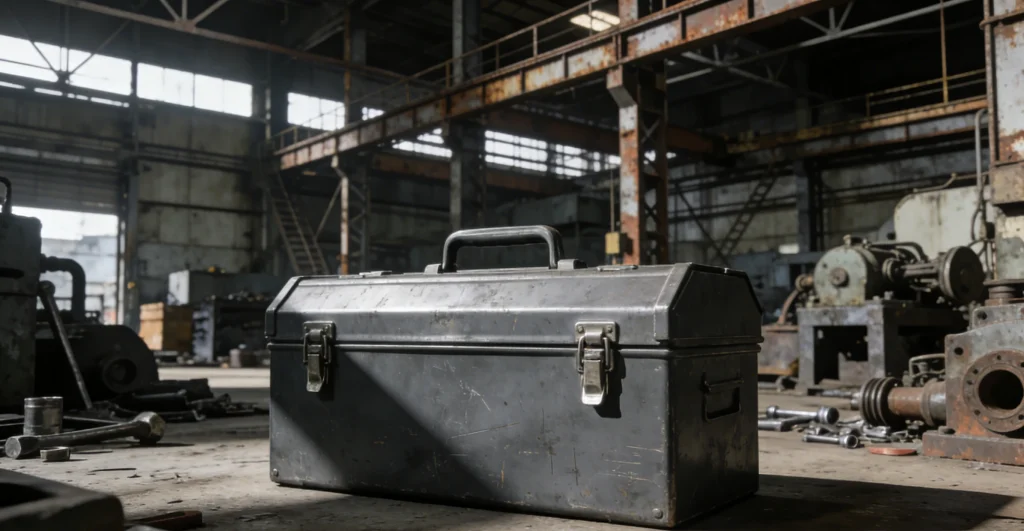
Portable household tool boxes are often used to store screwdrivers, wrenches, pliers, hammers, tape measures, hex keys, and various small repair accessories. Although household environments are not as likely to produce large amounts of grease and metal dust as mechanical workshops, tools may still become contaminated with dust, lubricant, mud, water stains, and other dirt during repair work. If the surface of a tool box is difficult to clean, stains can accumulate over time, affecting its appearance and potentially making the inside of the box less tidy. Therefore, when choosing a portable household tool box, in addition to capacity, load-bearing capacity, and portability, the cleaning difficulty of the box material is also worth considering.
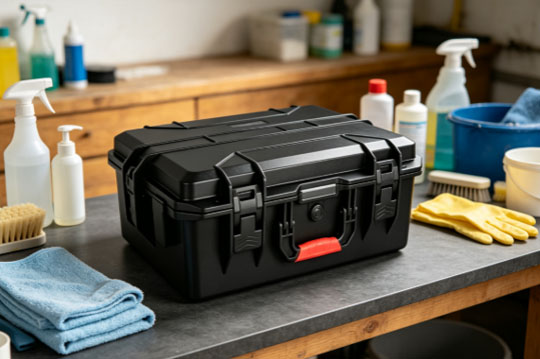
Common materials for household tool boxes currently include aluminum alloy, plastic, and steel. Different materials have different surface characteristics, and their cleaning methods are not exactly the same. Aluminum alloy tool boxes usually have relatively smooth surfaces, making ordinary dust and light stains easy to remove. After surface treatment, they also have good corrosion resistance; plastic tool boxes are lightweight and easy to clean, making them suitable for daily household use; steel tool boxes have a sturdy structure, but if the surface coating is damaged, more attention needs to be paid to moisture and dampness to prevent rust. If daily cleaning convenience is the only consideration, both plastic and properly surface-treated aluminum alloy tool boxes are relatively easy to maintain. The specific choice should also be based on the frequency of use, storage environment, and type of tools.
Which Common Household Tool Box Materials Are Easy to Clean?
Plastic Tool Boxes Are Relatively Easy to Clean
Plastic tool boxes usually have smooth surfaces, light weight, and good resistance to moisture. During household use, if there is only dust, mud, or light dirt, a damp cloth can be used directly for wiping. Some plastic tool boxes also have removable trays or storage compartments, making it more convenient to clean the interior. Plastic materials are not prone to traditional metal rust, so they are suitable for storage rooms, balconies, garages, and other household locations. However, different types of plastic have different levels of oil resistance, heat resistance, and impact resistance. If tools have a significant amount of oil contamination, a suitable cleaning agent should still be selected during cleaning to avoid using highly corrosive products that may damage the plastic surface.
Aluminum Alloy Tool Boxes Are Also Relatively Easy to Maintain
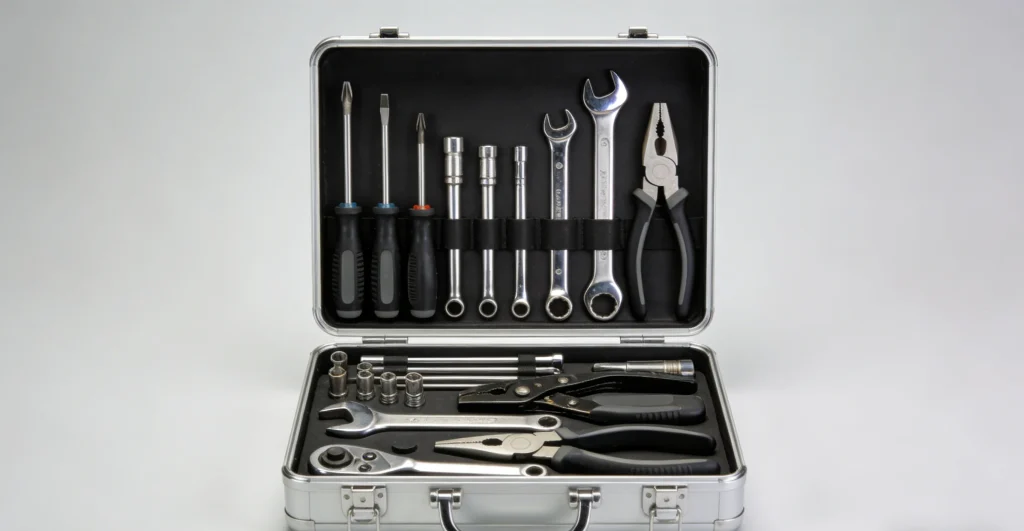
Aluminum alloy tool boxes are a common choice for portable household tool boxes. Aluminum alloy boxes have good corrosion resistance, and their surfaces are usually treated by coating, anodizing, or other processes. Daily dust, water stains, and light dirt can be wiped away with a soft cloth. If the aluminum alloy box has a smooth surface design, no complicated tools are needed for cleaning. For tool boxes that are frequently placed in a car trunk or used in a garage, aluminum alloy can provide a balance between structural strength and cleaning convenience.
What Are the Cleaning Differences Between Different Materials?
The cleaning difficulty of a household tool box depends not only on the material itself but also on the surface treatment, box structure, and internal design. Tool boxes made from the same material may also have different cleaning difficulties if the surface contains many grooves, holes, or complex textures.
How Should Stains on Aluminum Alloy Surfaces Be Cleaned?
Ordinary dust can be wiped with a dry cloth or a slightly damp soft cloth. If oil stains appear on the surface, a mild cleaning agent can be used with a soft cloth, followed by drying the surface. During cleaning, it is not recommended to repeatedly scrub with a hard brush, as this may affect the surface treatment layer. If the aluminum alloy tool box has visible scratches, strong sanding methods should be avoided. Once the protective layer on the surface is damaged, long-term exposure to a humid environment may affect the corrosion resistance of local areas.
How Should a Plastic Tool Box Be Cleaned?
A plastic tool box can be cleaned with a damp cloth for basic maintenance. For more noticeable stains, a mild neutral cleaning agent can be used. After cleaning, the surface should be dried, especially around the edges of the lid, tray connection points, and bottoms of storage compartments, to prevent water from accumulating for a long time.
When choosing a portable household tool box, the following 4 points can be considered:
Box Surface: Smooth and flat surfaces are generally easier to wipe, and dust and stains are less likely to remain for long periods.
Surface Treatment: Surface treatments such as coating and anodizing on aluminum alloy tool boxes affect cleaning convenience and corrosion resistance.
Internal Structure: The more complex the trays, dividers, and storage compartments are, the more areas need to be cleaned.
Usage Environment: Indoor household use mainly involves dust and ordinary dirt, while garage or outdoor use may involve oil stains, mud, and moisture.
Should You Choose an Aluminum Alloy or Plastic Household Tool Box?
If cleaning convenience is the main consideration, both plastic and aluminum alloy are relatively easy-to-maintain materials. Plastic tool boxes are lightweight and suitable for storing screwdrivers, pliers, tape measures, and a small number of repair accessories. Aluminum alloy tool boxes have a stronger metal appearance and structural strength, making them suitable for household environments where more metal tools need to be carried.
How Should You Choose If Frequent Cleaning Is Required?
If the tool box is mainly kept indoors for furniture installation, simple repairs, and daily household maintenance, a plastic tool box can meet basic needs. Dust and light stains can be quickly wiped away, and the box is also relatively lightweight to move. If the tool box needs to store heavier wrenches, sockets, small power tools, or is frequently used in garages, vehicle trunks, and similar environments, an aluminum alloy tool box is more suitable. The box structure is generally more stable, while the surface is also relatively easy to clean.
Is a Steel Tool Box Difficult to Clean?
A steel tool box is not difficult to clean, but more attention needs to be paid to moisture after cleaning. Steel itself can be affected by humid environments. If the surface coating remains intact, daily cleaning will not normally cause significant problems. If there are impacts, chipped paint, or scratches, exposed metal areas should be treated promptly to prevent rust caused by long-term contact with moisture.
Frequently Asked Questions
Q: Which material of portable household tool box is the easiest to clean?
A: Plastic and aluminum alloy with proper surface treatment are generally easy to clean. Plastic tool boxes are lightweight and suitable for daily household use, while aluminum alloy tool boxes provide good structural strength in addition to cleaning convenience.
Q: Can an aluminum alloy tool box be rinsed directly with water?
A: Frequent direct rinsing is not recommended. Although the tool box has a certain level of moisture resistance, water may accumulate around lid joints, latches, hinges, and internal connection points. Daily cleaning with a damp cloth is more suitable, followed by timely drying.
Q: How should oil stains inside a tool box be cleaned?
A: First, use absorbent paper or a dry cloth to remove surface oil stains, then use a mild cleaning agent suitable for the box material. The interior should be kept dry after cleaning. If the oil comes from the tools themselves, the tools should also be cleaned before being placed back into the box.
Q: Do grooves on the surface of a tool box affect cleaning?
A: Yes. Complex grooves can easily collect dust and small debris, so a soft-bristle brush or cotton cloth may be needed during cleaning. Therefore, if cleaning efficiency is an important consideration, a household tool box with a relatively simple surface structure can be selected.
Whether a portable household tool box is easy to clean depends on the material as well as the surface design and usage habits. Plastic tool boxes are generally lightweight and have simple cleaning methods, making them suitable for storing commonly used small household repair tools. Aluminum alloy tool boxes provide good structural strength and corrosion resistance, and they are also relatively easy to clean after appropriate surface treatment. Steel tool boxes have a relatively sturdy structure, but they need to be dried promptly after cleaning, especially in areas where scratches or damaged coatings expose the surface to moisture. During daily maintenance, an appropriate cleaning method can be selected according to the type of dirt. Ordinary dust can be removed with a soft cloth, light oil stains can be treated with a mild cleaning agent, and small gaps can be cleaned with a soft-bristle brush. The tool box does not need to be frequently rinsed with large amounts of water, which helps prevent moisture from entering the latches, hinges, and box joints. The tools themselves should also be kept clean, especially items such as wrenches, screwdrivers, and power tools that can easily carry oil stains. Wiping them clean before placing them back into the box can reduce the accumulation of dirt inside the tool box.