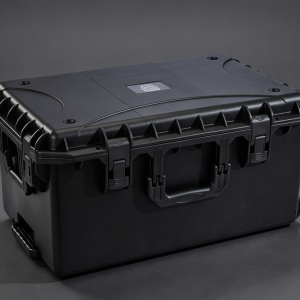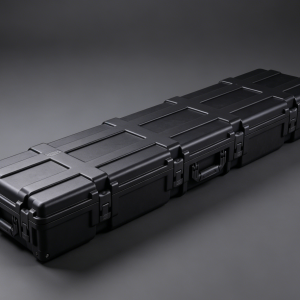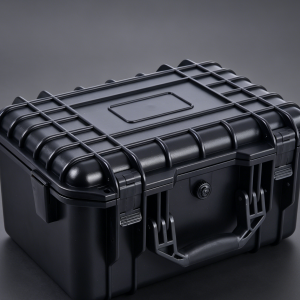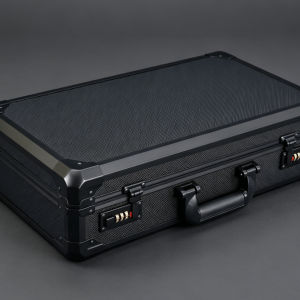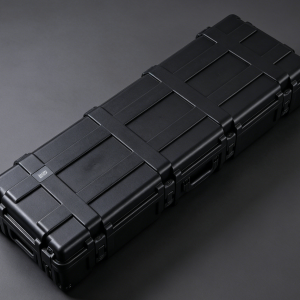
The handle is an important structural component of a plastic toolbox. Although it may appear to be a simple part used for carrying, its design directly affects portability, carrying comfort, load stability, and long-term durability. A plastic toolbox may contain screwdrivers, wrenches, pliers, sockets, electrical tools, measuring equipment, and other items. Once fully loaded, the total weight can increase significantly, requiring the handle to withstand continuous pulling force as well as impact generated during lifting and transportation. If the handle is too narrow, poorly positioned, or inadequately connected to the toolbox body, users may experience hand fatigue and the toolbox may become difficult to carry safely. Different working environments also create different handle requirements. Home users may prioritize lightweight construction and comfortable carrying, while maintenance technicians often need to transport their tools frequently throughout the day. Construction and field-service workers may need to move toolboxes over longer distances. A properly designed plastic toolbox handle makes transportation easier while improving the overall usability of the product.
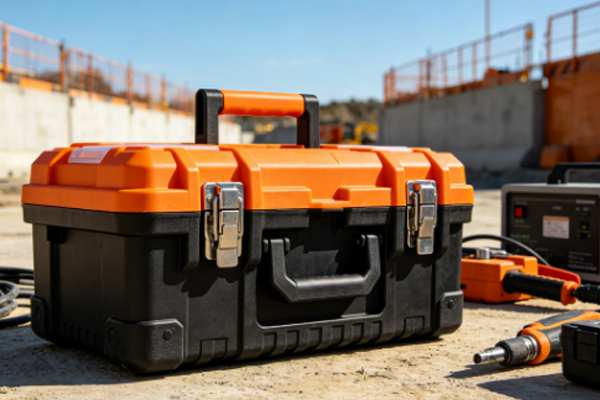
How a Plastic Toolbox Handle Improves Portability
One of the primary purposes of a plastic toolbox is to organize and transport repair tools, so handle design has a direct effect on portability. A handle designed around natural hand positioning allows users to lift the toolbox more comfortably while reducing unnecessary pressure on the fingers and wrist. Handle length, grip width, mounting height, and the distance between the handle and toolbox body all affect carrying comfort. If the handle is positioned too close to the box, there may not be enough room for the hand, causing contact with the edges of the toolbox. If it is positioned too far away, the toolbox may swing more during transportation. Medium and large plastic toolboxes also require careful consideration of weight distribution because the load changes considerably when the toolbox is fully packed. A properly positioned handle helps users maintain a more stable carrying posture and reduces unnecessary movement during transportation.
How Handle Construction Improves Load Stability
The handle does more than provide a place to hold the toolbox. It also forms an important load-bearing connection between the user and the toolbox body. When a toolbox contains heavy metal tools, the weight is transferred from the toolbox body to the handle and then to the user’s hand. If the connection area is poorly designed, excessive stress can become concentrated at a small point, increasing the possibility of deformation or structural failure. High-quality plastic toolboxes may reinforce the handle connection area, increase the load-bearing surface, or optimize the mounting position to improve overall stability. The connection between the handle and toolbox needs to remain secure during repeated lifting, carrying, setting down, and transportation. Larger toolboxes require particularly strong handle structures because their loaded weight can become substantial. Some models use an integrated handle and body construction, while others use reinforced components around the connection points. A stable handle also helps prevent excessive tilting during transportation, allowing tools inside the toolbox to remain more securely positioned.
Handle Designs for Different Tool Storage Needs
Plastic toolboxes are used in different environments, so handle designs can vary according to practical requirements. Household toolboxes generally prioritize simplicity and portability, making a fixed handle suitable for everyday carrying. Professional maintenance toolboxes are used more frequently and may require improved grip comfort and stronger connections. Large-capacity toolboxes may carry many heavy tools and can benefit from wider handles or additional transportation features.
Common handle designs include the following:
- Fixed Handles: Simple and practical, fixed handles are suitable for compact plastic toolboxes used for household repairs and everyday maintenance.
- Folding Handles: These handles can fold against the toolbox when not in use, reducing storage space requirements and making them suitable for compact storage areas.
- Soft-Grip Handles: A soft covering around a rigid plastic handle can improve grip comfort and make the toolbox more comfortable to carry for extended periods.
- Wide Handles: A wider gripping area can distribute pressure across the palm more evenly and is suitable for medium and large toolboxes.
- Telescopic Handles: Often used together with wheels, telescopic handles make large-capacity toolboxes easier to move over longer distances.
- Dual-Handle Designs: Larger or specially configured toolboxes may use additional gripping points to support two-person handling or movement in confined areas.
Each handle configuration provides different benefits. When selecting a plastic toolbox, users should consider toolbox size, tool weight, carrying frequency, and transportation distance. The right handle can turn the storage capacity of a toolbox into a more convenient and practical mobile tool solution.
Ergonomic Benefits of Toolbox Handle Design
Because plastic toolboxes may be lifted, carried, and set down repeatedly, ergonomic handle design can have a significant impact on user comfort. If the grip is too narrow, the toolbox weight becomes concentrated across a small area of the fingers and palm, which can create pressure during extended carrying. If the grip is too wide, natural hand positioning may become more difficult. Surface texture also serves a practical purpose. Proper anti-slip patterns can increase friction between the hand and handle, helping maintain a secure grip when the toolbox is dusty or the user’s hands are damp. Rounded handle edges can reduce pressure against the palm, while soft grip materials can provide a more comfortable contact surface during extended transportation. Adequate clearance between the handle and toolbox body allows the hand to enter the gripping area naturally. Ergonomic design is not simply about adding soft materials; it requires consideration of toolbox weight, hand position, carrying posture, and expected usage duration. A comfortable handle can reduce hand fatigue and allow technicians to focus more effectively on repair and installation tasks.
Handle Materials and Overall Toolbox Durability
The handle is one of the plastic toolbox components that experiences repeated mechanical loading, so its material and connection method can directly affect product durability. Lightweight toolboxes may use the same plastic material for both the body and handle, while professional models may use higher-strength plastic formulations or additional reinforcement depending on the expected load. The material needs to provide a balance of strength, toughness, and long-term durability because the handle must withstand not only static weight but also dynamic forces generated during lifting, movement, and setting the toolbox down. The connection between the handle and toolbox body should also distribute stress effectively. Reinforced sections, larger support areas, or optimized mounting points can improve structural durability. For outdoor toolboxes, resistance to environmental temperature changes and other operating conditions may also be important. A well-designed handle can reduce the risk of loosening, cracking, or deformation during long-term use. Toolbox manufacturers should also match handle strength with the overall load capacity of the toolbox to prevent situations where a large-capacity box can hold many tools but its handle cannot safely support the loaded weight.
Although the handle is a relatively small component of a plastic toolbox, it has a direct influence on portability, load stability, carrying comfort, and product durability. Appropriate handle length can improve carrying posture, strong connection points can support safer transportation when the toolbox is fully loaded, ergonomic grips can reduce hand fatigue, and durable materials can extend service life. Home users can choose simple and lightweight handle designs for basic tool collections, while professional maintenance workers may benefit from anti-slip grips and wider handles. Large-capacity toolboxes can use reinforced handles together with wheels and telescopic handles to make transportation easier. When purchasing a plastic toolbox, users should look beyond storage capacity and material selection and also inspect the handle’s grip space, connection structure, anti-slip surface, and load-bearing capability. A well-designed handle working together with a properly reinforced toolbox body can provide greater convenience and reliability during tool storage, maintenance operations, and transportation.