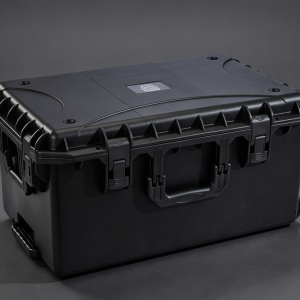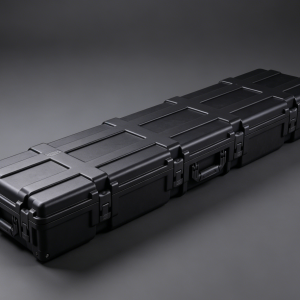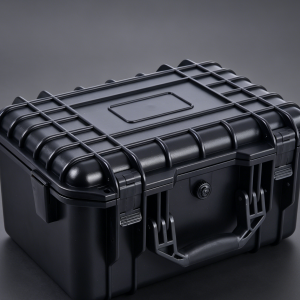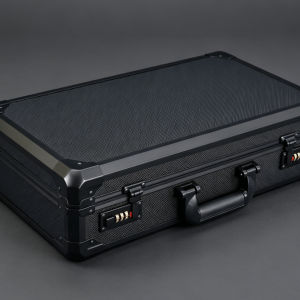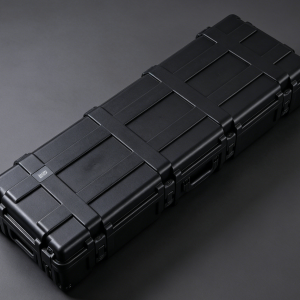
A plastic toolbox is widely used for home repairs, automotive maintenance, mechanical servicing, electrical installation, industrial inspection, and outdoor work. Choosing the right size may seem simple, but it requires consideration of the number of tools, tool dimensions, transportation frequency, available storage space, and load requirements. A toolbox that is too small can cause tools to become crowded, while long screwdrivers and wrenches may not fit properly. A toolbox that is too large can increase the overall weight and occupy unnecessary storage space. Plastic toolboxes are available in different sizes and internal configurations, and their usable capacity depends not only on external length, width, and height but also on wall thickness, trays, dividers, and lid construction. Before purchasing, users can count their existing tools, measure the longest and tallest items, and check where the toolbox will be stored or transported. Professional users can also reserve additional space for future tools. Selecting an appropriate size helps keep tools organized while improving portability, transportation, and everyday convenience.
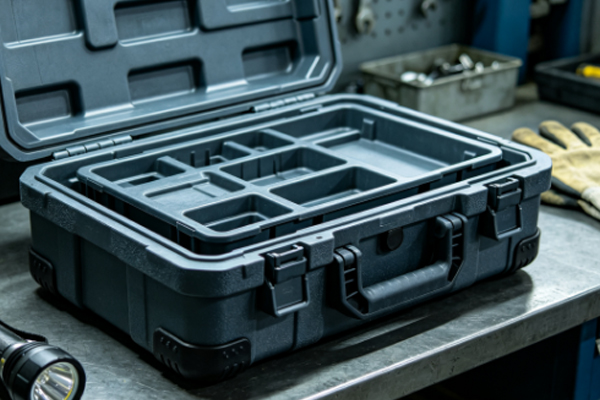
Choose Toolbox Capacity According to the Number of Tools
The number of tools is an important factor when determining plastic toolbox capacity, but the quantity alone does not provide a complete answer because tools vary considerably in size and weight. Home users generally have fewer tools, such as screwdrivers, pliers, tape measures, adjustable wrenches, and hex keys, so a compact plastic toolbox is usually sufficient. Electricians, automotive technicians, and mechanical maintenance workers typically have larger tool collections and may also need sockets, ratchets, measuring equipment, and repair accessories. These users may benefit from medium or large plastic toolboxes. When determining capacity, it is also useful to leave some extra room for future additions instead of keeping the toolbox completely full.
The following guidelines can help match capacity to actual tool requirements:
- Small basic tool collection: A compact plastic toolbox is suitable for household repairs, simple installation work, and everyday hardware tasks.
- Common repair tool set: A medium-sized toolbox can accommodate screwdrivers, pliers, wrenches, hex keys, and small accessories.
- Professional repair tools: A larger toolbox provides space for sockets, ratchets, measuring instruments, and replacement parts.
- Large heavy-duty tool collection: A large-capacity toolbox with reinforced construction should be considered, while its actual load capacity must also be checked.
- Tool collection that continues to grow: Leaving additional internal space allows new tools to be added without immediately replacing the toolbox.
A properly sized toolbox should provide enough room to keep tools organized without creating excessive unused space. Matching capacity to the current tool collection while allowing room for future additions can improve long-term usability.
Choose Internal Dimensions According to Tool Size
The external dimensions of a plastic toolbox do not necessarily indicate its actual usable storage space. Wall thickness, trays, dividers, and lid construction all occupy internal space, so users should pay attention to the internal length, width, and height. Long screwdrivers, adjustable wrenches, electrical tools, and measuring equipment require sufficient internal length. Pliers, socket sets, and combination tools may require additional width and height. Small components such as screws, nuts, washers, and electrical terminals are easier to manage when the toolbox has multiple separate compartments. Some plastic toolboxes use removable dividers that allow storage areas to be adjusted according to tool size, making them suitable for users whose tool collections frequently change. Before purchasing, measuring the longest, tallest, and widest tools and comparing those dimensions with the internal toolbox space can reduce the risk of choosing an unsuitable product. An appropriate internal layout also reduces tool stacking and allows technicians to locate equipment more quickly after opening the lid.
Choose Toolbox Size According to Transportation Method
Plastic toolboxes are often transported between different locations, so their dimensions should match the intended carrying method. Compact models are lightweight and suitable for carrying a limited number of tools. They can be placed on workbenches, vehicle seats, storage cabinets, or household tool shelves. Medium-sized toolboxes can accommodate a more complete repair kit while remaining relatively easy to carry, making them suitable for electricians, equipment maintenance personnel, and mobile service technicians. Large toolboxes provide more storage space, but once filled with metal wrenches, sockets, and other equipment, their total weight can increase significantly. For longer-distance transportation, models with wheels and telescopic handles can reduce the physical effort required to move them. Automotive technicians should also check whether the toolbox can fit inside a vehicle trunk or service vehicle. Construction workers need to consider whether the toolbox can be transported easily between different work areas.
Different transportation requirements can be matched with the following options:
- Home repairs: A compact hand-carry toolbox is convenient for basic tool storage.
- Electrical maintenance: A medium-sized toolbox can provide sufficient space while remaining easy to transport.
- Electronics repair: Small or medium models with fine compartments are suitable for organizing precision tools.
- Automotive maintenance: Medium or large toolboxes can accommodate sockets, ratchets, wrenches, and other equipment while providing adequate load capacity.
- Mechanical maintenance: Larger models are suitable for storing multiple sizes of wrenches, sockets, screwdrivers, and repair accessories.
- Engineering services: Models with wheels and telescopic handles can reduce the burden of transporting tools over longer distances.
A larger toolbox is not automatically more convenient. Users who carry their toolbox frequently should control its size and weight, while users with large tool collections should prioritize sufficient internal capacity. Matching toolbox dimensions to the transportation method can provide a more comfortable working experience.
Choose the Size According to Storage Location
The location where a plastic toolbox will be stored can also limit the appropriate product size. Home users can measure the available space inside cabinets, storage shelves, garages, and work areas before purchasing. Maintenance workshops often have tool cabinets, shelves, and workbenches, so the toolbox should fit comfortably with the existing storage equipment. Automotive technicians can measure the available space inside trunks, service vehicles, or mobile workstations to ensure that the toolbox does not interfere with other equipment. Companies purchasing toolboxes in bulk should also consider how several units will be stored together. Products with consistent dimensions are easier to arrange on shelves and manage in warehouses.
The working environment can also influence the preferred toolbox structure. Mechanical processing areas may contain dust and metal particles, making enclosed toolbox designs useful for keeping tools protected. Outdoor maintenance requires attention to portability and environmental durability, while humid locations may require plastic materials with suitable moisture resistance and an appropriate lid structure. Toolbox size and protection rating are not the same specification. A large toolbox does not automatically provide better water resistance, so the actual protective performance should be confirmed through product specifications. Considering the available storage location before purchasing can prevent situations where a toolbox has adequate capacity but cannot be placed in the intended area.
Consider Tool Weight and Load Capacity When Choosing Size
Tool weight is an important factor that can easily be overlooked when selecting a plastic toolbox. Automotive repair, mechanical maintenance, and industrial equipment servicing often involve steel wrenches, sockets, ratchets, hammers, and other heavy tools. When these tools are stored together, the total load can become substantial. A large toolbox may provide plenty of space, but it must also have sufficient load-bearing capacity. High-strength plastics can be combined with reinforced bottoms, structural ribs, and strengthened connection points to improve stability. The handle, hinges, and latches also need to withstand the stress generated by frequent carrying and opening.
For lightweight tool collections, a moderately sized toolbox can provide sufficient storage without adding unnecessary weight. For heavy-duty tools, users should select products with reinforced bottoms and durable handle structures while keeping the actual load within the manufacturer’s recommended capacity. Toolbox weight itself is also worth considering because a lighter body can improve portability when capacity and strength requirements are already satisfied.
Important configurations include:
- Reinforced Bottom: Provides more stable support for heavy wrenches, sockets, ratchets, and other metal tools.
- Structural Ribs: Improve toolbox rigidity and are particularly useful for larger-capacity models.
- High-Strength Handle: The handle needs to withstand significant pulling force when the toolbox is fully loaded.
- Reliable Latches: Help keep the lid securely closed and reduce the risk of accidental opening during transportation.
- Strong Tray Construction: If the upper tray will hold metal tools, its load capacity should match the actual weight of the equipment.
- Controlled Toolbox Weight: A lighter body can improve portability while maintaining sufficient capacity and structural strength.
Capacity, dimensions, and load capacity should be considered together. A toolbox is not necessarily better simply because it has more storage space. For heavy-duty tool collections, selecting reinforced construction and controlling the actual load can help maintain stable performance during long-term use.
Choosing the right plastic toolbox size requires consideration of tool quantity, tool dimensions, transportation method, storage location, and total tool weight. Compact models are suitable for household repairs and basic tool collections, while medium-sized models can work well for electrical maintenance, electronics repair, and equipment servicing. Automotive maintenance, mechanical servicing, and engineering work may require larger storage capacity together with stronger load-bearing construction. Measuring the longest and tallest tools before purchasing can help users identify a suitable internal size, while checking the storage location can prevent problems caused by excessive external dimensions. For frequent transportation, toolbox weight, handles, wheels, and telescopic handles should also be considered. For heavy tools, the bottom structure, reinforcing ribs, hinges, and latches require particular attention. Matching toolbox size with actual working requirements can improve tool organization, transportation efficiency, and convenience during daily maintenance tasks.