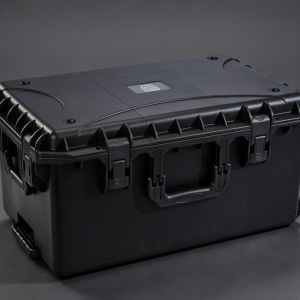
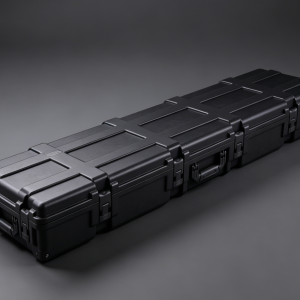
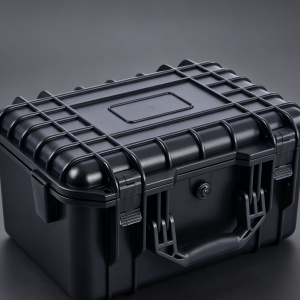
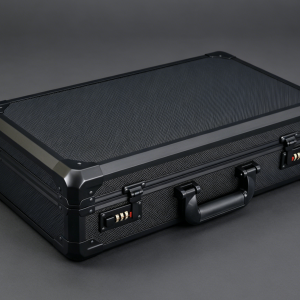
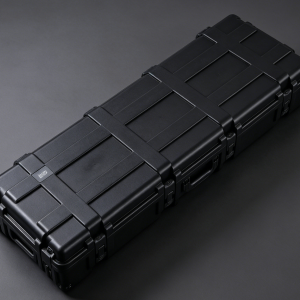
Plastic toolboxes are widely used for home repairs, automotive maintenance, mechanical servicing, electrical installation, industrial inspection, and outdoor operations. The material of a toolbox directly affects its structural strength, impact resistance, moisture resistance, weight, and long-term durability. A plastic toolbox is not simply a box made from ordinary plastic. Different types of engineering plastics and high-strength plastic materials are selected according to the intended application. Common materials include PP, ABS, and various modified plastics, each offering different levels of toughness, rigidity, wear resistance, and environmental adaptability. Compared with traditional metal toolboxes, plastic materials can reduce overall weight while maintaining sufficient structural strength. Plastic is also suitable for injection molding, allowing manufacturers to create complex structures such as reinforcing ribs, trays, compartments, and clips. For users who frequently carry tools, a lightweight toolbox can reduce transportation fatigue. In humid or outdoor environments, plastic materials are also less susceptible to conventional rust problems associated with ordinary steel. Proper material selection can provide better impact resistance, moisture resistance, and wear resistance, allowing plastic toolboxes to perform reliably in a wide range of working environments.
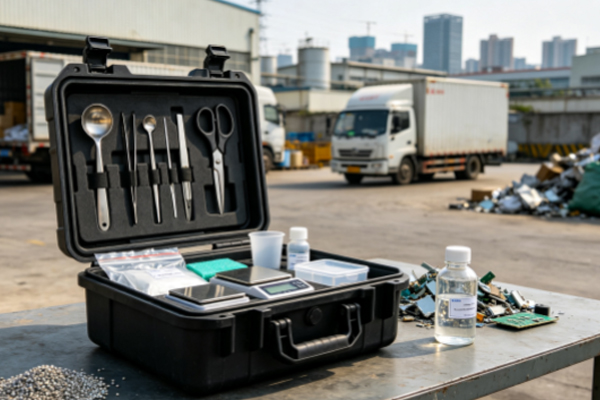
Material Properties of Common Plastic Toolbox Materials
The material properties of a plastic toolbox directly affect its strength, weight, and service life. Different plastics have different levels of rigidity, toughness, impact resistance, and environmental durability, so manufacturers generally select materials according to toolbox size, load requirements, and intended working conditions. PP plastic provides good toughness and chemical resistance, making it suitable for lightweight and medium-sized toolboxes that require frequent handling. ABS plastic offers good rigidity, impact resistance, and surface quality, making it suitable for professional toolboxes and products that require stable structural performance. Some products use modified plastics to improve low-temperature toughness, impact resistance, or aging resistance. Understanding the basic properties of toolbox materials can help users select products that better match their actual requirements.
Common plastic materials can be selected according to specific application needs:
- PP Plastic: Provides good toughness and chemical resistance while maintaining relatively low weight, making it suitable for daily maintenance, tool storage, and mobile work.
- ABS Plastic: Provides good rigidity, impact resistance, and surface quality, making it suitable for professional toolboxes and applications requiring stable structural performance.
- Modified Plastics: Material formulations can be adjusted to improve strength, toughness, or environmental resistance for toolboxes with higher performance requirements.
- High-Toughness Plastics: Suitable for environments involving frequent handling and transportation, providing better resistance to impact and accidental drops.
- Composite Material Structures: Some products combine different materials or reinforcement structures to improve the stability of the toolbox body, handle, bottom, and connection areas.
There is no single plastic material that is ideal for every toolbox application. Tool weight, frequency of use, environmental conditions, and structural design all influence material selection. Choosing the right material allows a plastic toolbox to deliver more stable performance during actual use.
How Plastic Materials Affect Toolbox Structural Strength
The structural strength of a plastic toolbox depends not only on the material itself but also on wall thickness, reinforcing ribs, bottom construction, and connection points. Properly selected plastic materials can provide sufficient structural support while keeping the overall toolbox weight under control. For compact toolboxes, the material needs to balance lightweight construction with impact resistance. For large-capacity toolboxes, the bottom and corner areas require additional attention because they experience greater loads when the box is fully loaded. Injection molding also allows reinforcing ribs to be integrated into the toolbox body, improving rigidity without necessarily adding excessive weight. Areas around the handle, hinges, and latches may also require reinforcement to reduce deformation or loosening during repeated use. Instead of simply increasing material thickness, an optimized structural design can improve rigidity while maintaining a practical overall weight.
Usage Advantages of Plastic Toolboxes
Plastic materials give toolboxes several useful characteristics, including relatively low weight, moisture resistance, easy cleaning, and flexible manufacturing options. For maintenance workers who may carry a toolbox several times a day, a lightweight body allows more of the total carrying weight to be allocated to tools rather than the container itself. Plastic surfaces are generally easy to clean, allowing oil, dust, and common maintenance residues to be removed through wiping. In outdoor maintenance and humid working environments, plastic bodies can also provide useful moisture resistance without the conventional rust concerns associated with ordinary steel toolboxes. Plastic materials are also suitable for customized colors, structures, and dimensions, while injection molding allows manufacturers to create different capacities and internal storage configurations.
The practical advantages of plastic toolboxes include the following:
- Lightweight Construction: Compared with many metal alternatives, plastic bodies can reduce carrying weight while providing sufficient storage capacity.
- Good Moisture Resistance: Plastic does not develop conventional rust in the same way as ordinary iron or steel, making it suitable for workshops, warehouses, and certain outdoor environments.
- Good Impact Resistance: High-toughness or modified plastics can better withstand bumps and minor drops during everyday handling.
- Easy Cleaning: Plastic surfaces are generally easy to wipe clean, making them useful in automotive and mechanical maintenance environments where oil and dirt are common.
- Flexible Structural Design: Plastic is well suited to injection molding, allowing manufacturers to integrate trays, compartments, clips, and reinforcing ribs into the toolbox.
- Efficient Mass Production: Plastic toolboxes can be manufactured consistently using molds, supporting standardized dimensions and large-scale production.
These characteristics allow plastic toolboxes to serve applications ranging from household tool storage to professional maintenance operations. Combining material properties with suitable structural design can provide a practical balance between weight, strength, and storage functionality.
Material Adaptability in Different Working Environments
Plastic toolboxes are used in a wide range of working conditions, and different environments place different requirements on toolbox materials. Household applications generally prioritize lightweight construction and portability, so standard PP or ABS plastic toolboxes can meet basic repair needs. Automotive repair environments may involve engine oil, lubricants, dust, and other residues, making easy-to-clean surfaces and adequate structural strength useful characteristics. Mechanical workshops may contain metal particles, dust, and frequent contact with equipment, so toolboxes require suitable impact resistance. Electricians and electronics technicians may place greater emphasis on organized storage and precise compartments, meaning material properties need to work effectively with trays and internal dividers. Outdoor working environments can expose toolboxes to temperature changes, humidity, transportation impacts, and other conditions, so users should select plastic materials with environmental performance appropriate for the intended application. It is important to note that moisture resistance does not automatically mean complete waterproofing. Whether a plastic toolbox provides a specific level of water or dust protection depends on its sealing structure, latch design, and applicable product testing or specifications.
How to Evaluate Plastic Toolbox Material Performance
When purchasing a plastic toolbox, the material name is only one factor used to evaluate product performance. Actual performance is also influenced by material formulation, structural design, and manufacturing processes. Users should consider tool weight and working conditions when selecting a product. For household and light-duty repairs, lightweight PP plastic toolboxes with moderate capacity can be practical. For professional maintenance and frequent transportation, users can consider ABS or high-toughness modified plastic products. When storing large quantities of metal tools, special attention should be paid to the bottom structure, reinforcing ribs, and handle connection areas. The surface and manufacturing quality should also be inspected. Visible weak areas, excessive flash, or loose connection points may affect service life even when the material itself has good basic properties. Latches, hinges, and handles are frequently loaded components and need reliable connections with the toolbox body. For outdoor or humid environments, users can also check temperature resistance, moisture resistance, and sealing design according to the product specifications. Evaluating material, structure, capacity, and working environment together makes it easier to determine whether a plastic toolbox is suitable for a particular application.
The material properties of a plastic toolbox establish its basic performance, while proper structural design allows those material advantages to be used more effectively. PP plastic offers good toughness and chemical resistance, ABS plastic provides good rigidity and impact resistance, and modified plastics can be engineered to improve specific performance characteristics. Plastic materials can also provide relatively low weight, moisture resistance, easy cleaning, and flexible manufacturing possibilities, allowing toolboxes to be used for household repairs, automotive maintenance, mechanical servicing, electrical installation, electronics repair, and engineering work. When selecting a plastic toolbox, users should consider tool weight, carrying frequency, storage conditions, and toolbox construction rather than relying only on the material name. For frequent transportation, toolbox weight and handle strength deserve attention. For heavy-duty tools, the bottom structure and overall load capacity should be checked. For outdoor or humid environments, material durability and lid sealing should be considered. When material properties and structural design are properly matched, a plastic toolbox can provide efficient tool organization together with good portability and durability, making it a practical storage solution for a wide range of maintenance and working applications.