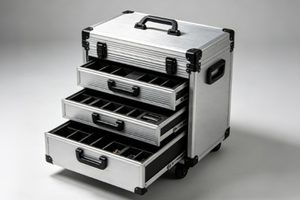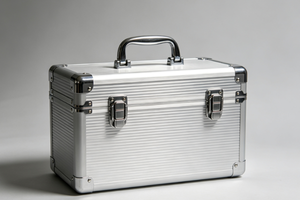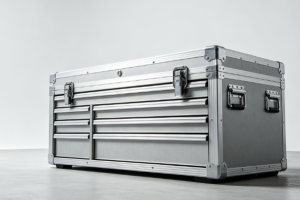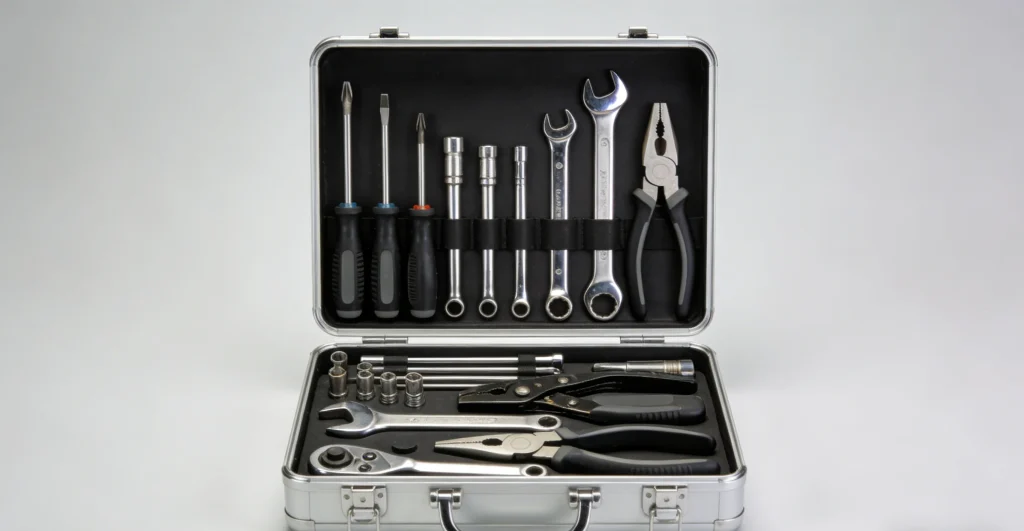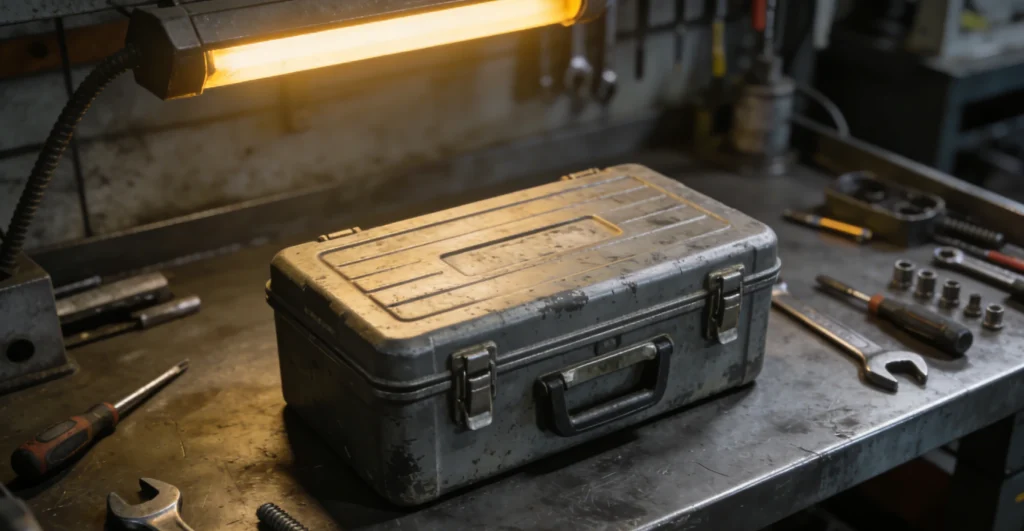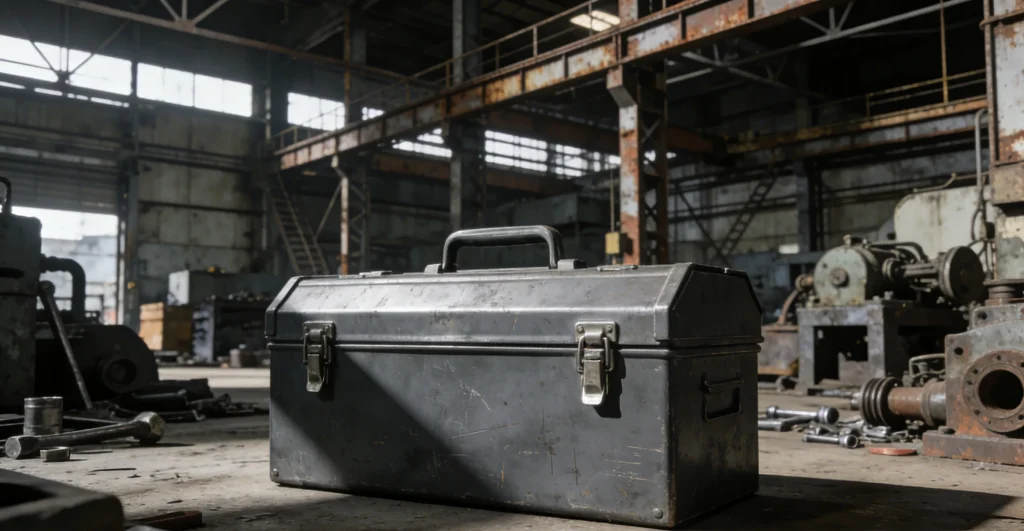
When purchasing lorry tool boxes in bulk, the inspection process should not focus only on whether the product appearance is complete. It should also be checked against the purchase contract, product specifications, application environment, and vehicle installation requirements. Unlike individual purchases, bulk orders often involve dozens, hundreds, or even more tool boxes. If a batch of products has dimensional deviations, welding defects, poor sealing, or inconsistent accessory specifications, a large number of problems may occur during subsequent installation and use. Therefore, the inspection should cover packaging quantity, product model, box dimensions, aluminum plate thickness, surface treatment, welding quality, door opening and closing, latches, hinges, sealing strips, and load-bearing structures.
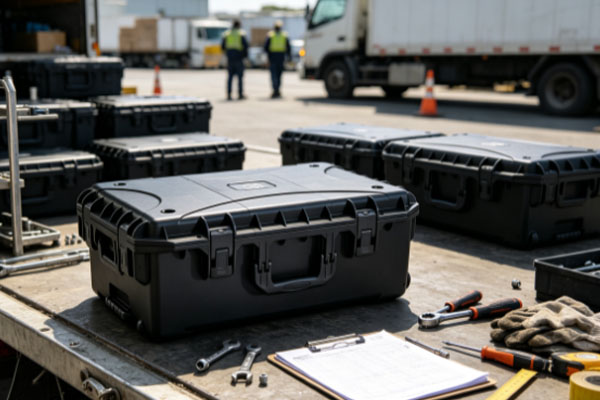
At the same time, bulk inspection should not involve checking only one or two products and then directly confirming that the entire batch is qualified. A reasonable sampling method should be established according to the order quantity, and any problems found should be recorded. Items such as appearance and quantity can be fully inspected, while welding, sealing, and structural quality can be evaluated through sampling tests. Inspectors should also retain photos, dimensional records, and information about defective products to facilitate subsequent communication with the manufacturer. Through standardized inspection, problems can be identified before the products are installed and used on vehicles, reducing losses caused by rework, returns, replacements, and installation delays.
Check the Purchase Requirements Before Inspection
Confirm the Model and Quantity
After receiving a batch of lorry tool boxes, do not install them immediately. First, check the product information against the purchase order. Confirm whether the tool box model, dimensions, color, opening method, and quantity match the order requirements. If the same shipment contains lorry tool boxes of different specifications, they should also be counted separately to prevent different models from being mixed together. Labels on the packaging can also be checked against the purchase list. If there is insufficient quantity, an incorrect model, or unclear labeling, the issue should be recorded promptly.
Measure the Actual Dimensions
The dimensions of a lorry tool box directly affect subsequent installation. During inspection, tools such as measuring tapes and calipers can be used to measure the length, width, and height of the box and compare them with the specified purchase requirements. For lorry tool boxes that need to be installed in specific vehicle locations, the mounting hole positions, bracket dimensions, and space required for opening the door should also be checked. If the box dimensions have significant deviations, they may affect vehicle installation even if there are no obvious problems with the appearance.
Focus on Box Body and Surface Quality
Aluminum Plate and Welding Quality
Lorry tool boxes generally need to withstand vehicle vibration for long periods, so the box structure needs to remain stable. During inspection, check whether the box has obvious dents, bending, cracks, or deformation. For welded structures, check whether the welds are continuous and whether there are obvious missed welds, weak welds, holes, or uneven welding. If the aluminum plate thickness is clearly specified in the purchase contract, the material thickness can also be sampled for inspection.
Check Whether the Surface Treatment Is Consistent
The color and surface treatment of bulk products also need to be inspected. If black, silver, or another customized color was ordered, observe whether there are obvious color differences between products in the same batch. If the lorry tool boxes use spray coating, powder coating, anodizing, or other surface treatments, check whether there is obvious paint peeling, blistering, scratching, exposed substrate, or large areas of stains. Minor transportation marks should be distinguished from surface defects that affect use, and not all minor issues should be judged according to the same standard.
During bulk inspection, the following 4 items can be checked as priorities:
Quantity and Model: Confirm that the actual quantity, specifications, and order requirements are consistent.
Dimensions and Materials: Measure key dimensions and verify requirements such as plate thickness.
Box Body and Surface: Check for deformation, cracks, welds, scratches, color differences, and other issues.
Function and Sealing: Test whether the door, latches, hinges, and sealing strips work properly.
Functional Inspection Should Not Focus Only on Appearance
Test the Tool Box Door
The tool box door is one of the components that is used frequently. During inspection, sample-check the doors and observe whether they open and close smoothly, and whether there is obvious sticking, friction, or an inability to close completely. If the door becomes misaligned after installation, the hinge position and whether the box body is deformed should also be checked. For bulk products, the number of opening and closing tests can be increased to help identify assembly problems in some products.
Confirm That the Latches Work Properly
Latches are directly related to the securing performance of the lorry tool box during use. During inspection, confirm that the latches can be opened and closed normally and that the door does not become noticeably loose after locking. If the lorry tool box uses multiple latches, check whether all latches can work together properly. For products with lock cylinders, also check whether the keys can be inserted, turned, and removed normally, and confirm that the key configuration of the same batch meets the purchase requirements.
Keep the Sealing Strip Intact
If the lorry tool box is used outdoors, the sealing strip is an important inspection point. Check whether the sealing strip is installed completely and whether there are any detached, broken, lifted, or visibly missing sections. After closing the tool box door, the sealing strip should maintain stable contact with the box body. For products with higher purchasing requirements, a simple water spray test can also be performed to check whether there is obvious water ingress around the door. It should be noted that the water spray test should be conducted according to the purchase standard and product design. A single simple test should not be used to determine that the product meets a specific waterproof rating.
What Should You Do If Problems Are Found During Bulk Inspection?
Create a Problem Record
The biggest problem during bulk inspection is finding defects without keeping records. If a lorry tool box has dimensional deviations, welding problems, or damaged latches, record the product number, problem location, and specific issue. Photos or videos should also be taken as evidence for subsequent communication. If the same type of problem occurs repeatedly in multiple products, the number of defective products should be counted instead of handling only one individual product.
Determine Qualification According to the Purchase Standards
During inspection, product qualification should not be judged solely based on personal impressions. For example, minor surface scratches and a door that cannot be closed are problems of different severity and should be evaluated according to the purchase contract, technical requirements, or inspection standards confirmed by both parties. Problems that affect installation and normal use, such as serious dimensional deviations, obvious box deformation, defective welds, or latches that cannot be closed, should be separately marked and reported to the manufacturer for handling.
Bulk purchasing of lorry tool boxes requires inspection to confirm whether the products actually meet the purchase requirements and subsequent installation conditions. During inspection, the process can be carried out step by step according to quantity verification, dimensional measurement, material inspection, appearance inspection, structural inspection, functional testing, and sealing inspection. Quantity and model are the most basic inspection items and can help prevent incorrect shipments, missing products, and mixed models. Dimensions determine whether the lorry tool box can be properly installed on the vehicle. Aluminum plate thickness, box structure, and weld quality affect the stability of the tool box, while surface treatment affects the product appearance and its suitability for the operating environment. The door, latches, hinges, and sealing strips need to be operated and tested in practice rather than inspected only visually.
For bulk orders, a combination of full inspection and sampling inspection can be used. Quantity, model, and obvious appearance defects are suitable for full inspection, while material thickness, structural dimensions, and certain functional items can be sampled according to the purchase standards. When problems are found, the specific product, quantity, problem type, and photos should be recorded to avoid a lack of evidence during subsequent communication. A qualified bulk inspection should be based on the purchase standards rather than simply relying on appearance. Only after confirming that the specifications are correct, the box body is intact, the accessories are complete, the functions work properly, and the installation requirements are met should the products proceed to bulk installation and use, thereby reducing subsequent rework and unnecessary purchasing losses.