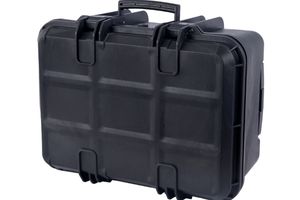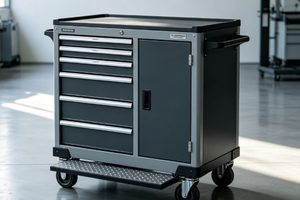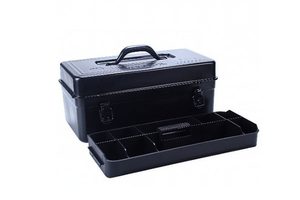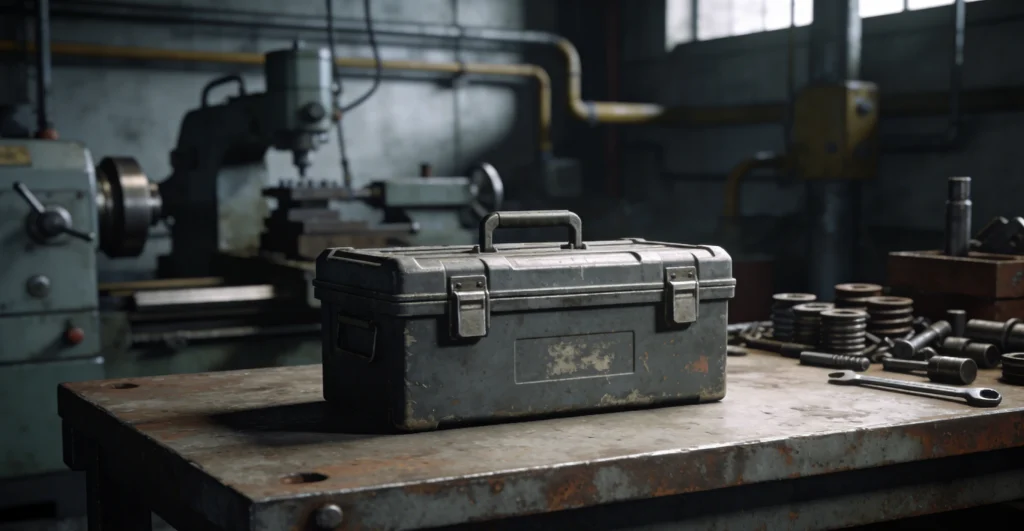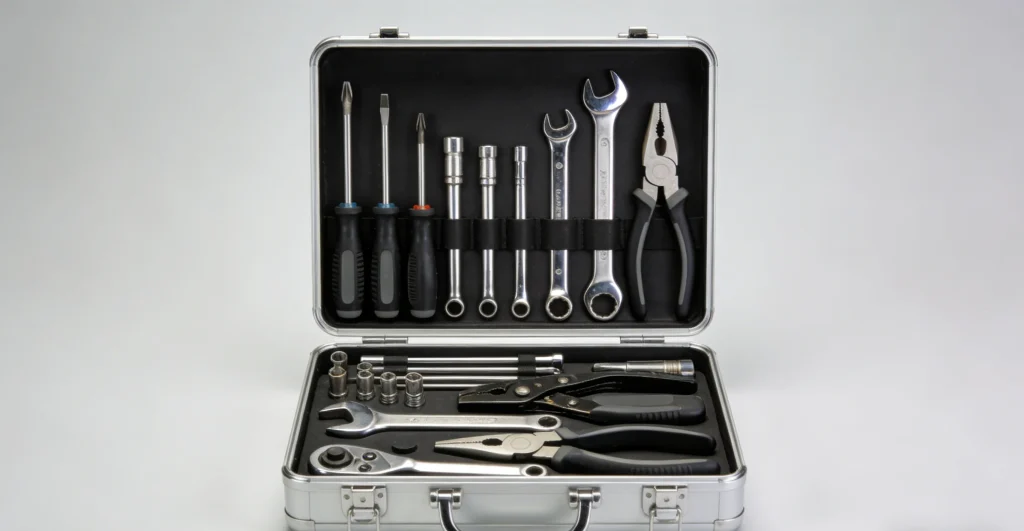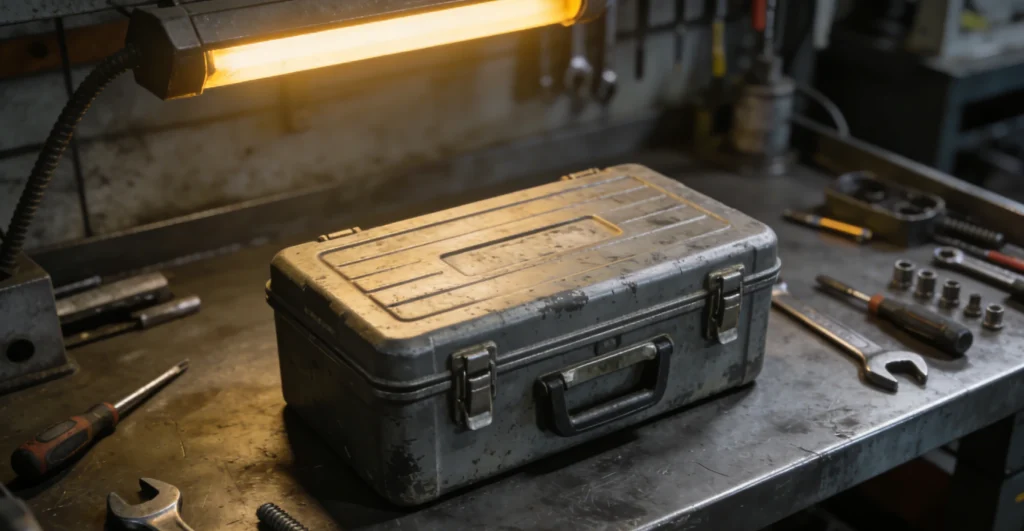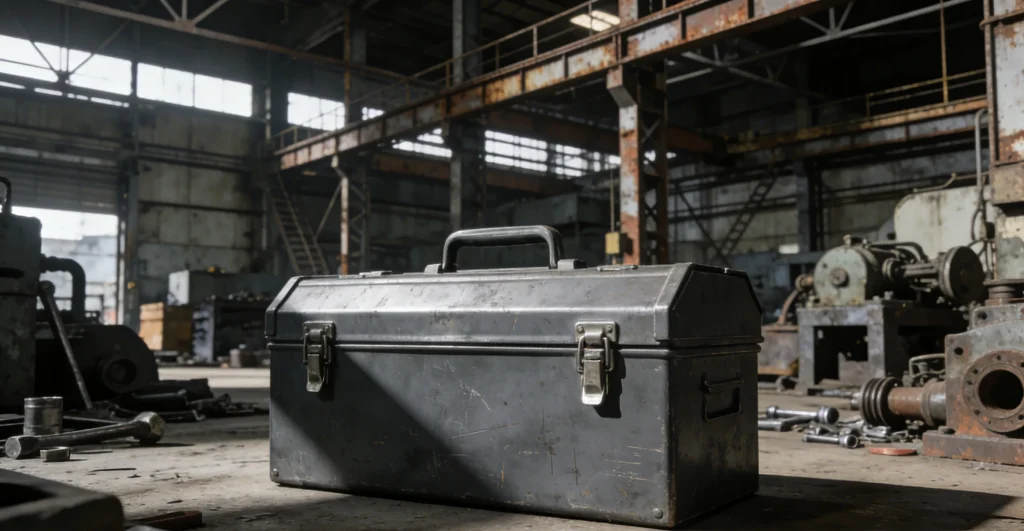
Lorry tool boxes are usually installed on the side of the vehicle frame, underneath the vehicle, or near the cargo compartment. They are mainly used to store wrenches, sockets, jacks, power tools, spare parts, and other maintenance supplies. Unlike indoor toolboxes, lorry tool boxes need to withstand rainwater, dust, mud, road water, and vibration generated during vehicle operation for long periods. Therefore, their dustproof and waterproof performance directly affects the condition of the tools stored inside. This is especially important in long-distance transportation, construction, mining operations, and outdoor maintenance. When a vehicle travels on rainy roads or surfaces with large amounts of dust, the toolbox can easily be affected by the external environment. If the box door is not properly sealed, rainwater may enter through the gaps. If there are gaps at the connections of the box body, dust and mud may also gradually enter the interior.
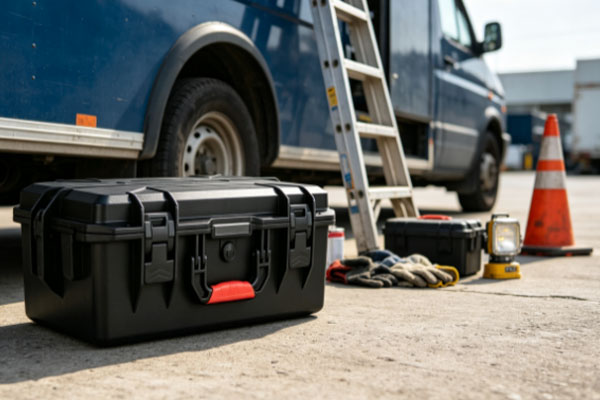
Long-term exposure to moisture may also increase the risk of rusting for metal tools, while accumulated dust can affect tool cleanliness and usability. Therefore, achieving good dustproof and waterproof performance for a lorry tool box cannot rely solely on aluminum alloy or other box materials. It requires a combination of box structure, sealing strips, latches, welding processes, drainage design, and daily maintenance. Large toolboxes frequently installed outside lorries require particular attention to the direction of rainwater flow, the closing pressure of the box door, and structural changes caused by vehicle vibration. Only when the box structure is properly designed, connections are secure, sealing areas are correctly handled, and regular inspections are carried out during daily use can the entry of water and dust into the toolbox be effectively reduced.
Box Structure Is the Foundation of Protection
Aluminum Alloy Boxes Reduce External Corrosion
The material of a lorry tool box affects its service life. Aluminum alloy has good corrosion resistance and is suitable for installation outside vehicles. When exposed to rainwater, humid air, and mud, aluminum alloy is less likely to develop obvious rust than ordinary steel. However, corrosion resistance of the material does not mean that the toolbox itself is completely waterproof. Whether rainwater enters the interior also depends on the box door structure, welding points, and sealing design.
Welding Points Need Proper Treatment
If the toolbox uses a welded structure, weld quality can affect the overall protective performance of the box. After welding, the welds should be checked to ensure that they are continuous and smooth, without obvious gaps or defects. For boxes that are frequently exposed to rainwater, more complete treatment of the welds helps reduce the possibility of water entering through connection points. Large lorry tool boxes also need to withstand continuous vibration generated during driving, so the welded structure must provide both sealing and sufficient stability.
Sealing Strips Determine the Protection of the Box Door
The Door Forms a Seal When Closed
The box door of a lorry tool box is one of the areas where water and dust are most likely to enter. Installing a sealing strip around the edge of the box door allows the door and box body to form a continuous contact area when closed, thereby reducing the possibility of rainwater and dust entering through gaps. The sealing strip must match the dimensions of the box door, and there should be no obvious breaks or raised sections after installation. If part of the sealing strip is not properly compressed, it may create a path for water to enter even when the other areas are well sealed.
Latches Need to Provide Sufficient Pressure
Many people believe that installing a sealing strip alone is enough to make a toolbox waterproof, but the latch is equally important. After the box door is closed, the latch needs to provide sufficient compression force so that the sealing strip remains evenly pressed against the box body. If the latch becomes loose, the door may move slightly while the vehicle is driving, creating gaps between the sealing strip and the box body and allowing dust and moisture to enter. Therefore, lorry tool boxes generally need to use sealing strips together with latches, rather than relying on either structure alone.
Drainage Must Also Be Considered for Dustproof and Waterproof Performance
Prevent Rainwater from Remaining Around the Box Door
After a lorry tool box is installed outside the vehicle, rainwater will continuously wash over the box. If water tends to accumulate above or around the box door, even if there is no obvious leakage in the short term, long-term use may increase pressure on the sealing areas. Therefore, the box can be designed with appropriate edge structures to allow rainwater to flow outward as quickly as possible. For areas on the top that are prone to water accumulation, obvious recessed sections should also be avoided.
Reduce Water Accumulation at the Bottom
If water accumulates inside the toolbox, it should be cleaned promptly. Water remaining at the bottom of the box for a long time can affect the tools and may also increase internal humidity and condensation problems. Depending on the intended use of the toolbox, reinforced bottom structures, moisture-resistant mats, or insulating layers can generally be considered to prevent tools from remaining in direct contact with the bottom of the box for long periods.
Dustproof and waterproof measures for lorry tool boxes:
Reliable box connections: Welding, riveting, and other connection areas should remain intact to reduce structural gaps.
Continuous sealing strip contact: The sealing strip should be evenly compressed after the box door is closed.
Latch the box door securely: Prevent vibration during vehicle operation from causing the door to loosen.
Drain and clean promptly: Reduce long-term accumulation of rainwater, mud, and dust on the surface or inside of the box.
How Can Protective Performance Be Maintained During Daily Use?
Check the Sealing Strip Regularly
After a lorry has been driven for a long time, the sealing strip will be affected by compression, temperature changes, and dust. After extended use, the sealing strip may become hardened, cracked, detached, or deformed by compression. Once these problems are found, it should be replaced promptly. During inspection, pay particular attention to the area around the box door and confirm whether the sealing strip is complete and whether it can make even contact when the door is closed.
Clean the Box Door and Latches
Mud and sand can easily accumulate around the box door and latches. If more and more dirt accumulates, it may affect the normal closing of the door and prevent the sealing strip from being fully compressed. Therefore, after washing the vehicle or completing long periods of outdoor work, the mud and sand on the surface of the toolbox can be cleaned promptly. The moving parts of the latch should also be kept clean to prevent debris from affecting proper closure.
To achieve good dustproof and waterproof performance, a lorry tool box needs to be considered from the box structure through to daily use. Aluminum alloy itself has good corrosion resistance, making it suitable for lorries, engineering vehicles, and outdoor maintenance toolboxes, but the material itself cannot prevent rainwater and dust from entering the box. The actual protective performance also depends on the box door structure, sealing strips, latches, welds, and drainage design. A continuous, flexible, and properly installed sealing strip can reduce gaps around the box door, while suitable latches can keep the sealing strip under stable pressure. The welded areas of the box should remain intact to prevent gaps or structural defects from creating paths for water to enter. For toolboxes installed outside vehicles for long periods, the top and bottom structures should also be properly designed to reduce water accumulation and internal standing water. After a lorry travels through muddy roads, dusty environments, or heavy rain, the box door, sealing strips, and latches should be inspected. If the sealing strip has aged, become detached, or the box door does not close tightly, the problem should be addressed promptly. If water droplets or standing water are found inside the toolbox, they should also be wiped dry promptly to prevent the tools from remaining in a damp environment for long periods.